AC Unit Making Loud Buzzing Noise? Causes and Fixes for LA Homeowners
June 17, 2026 18 min read
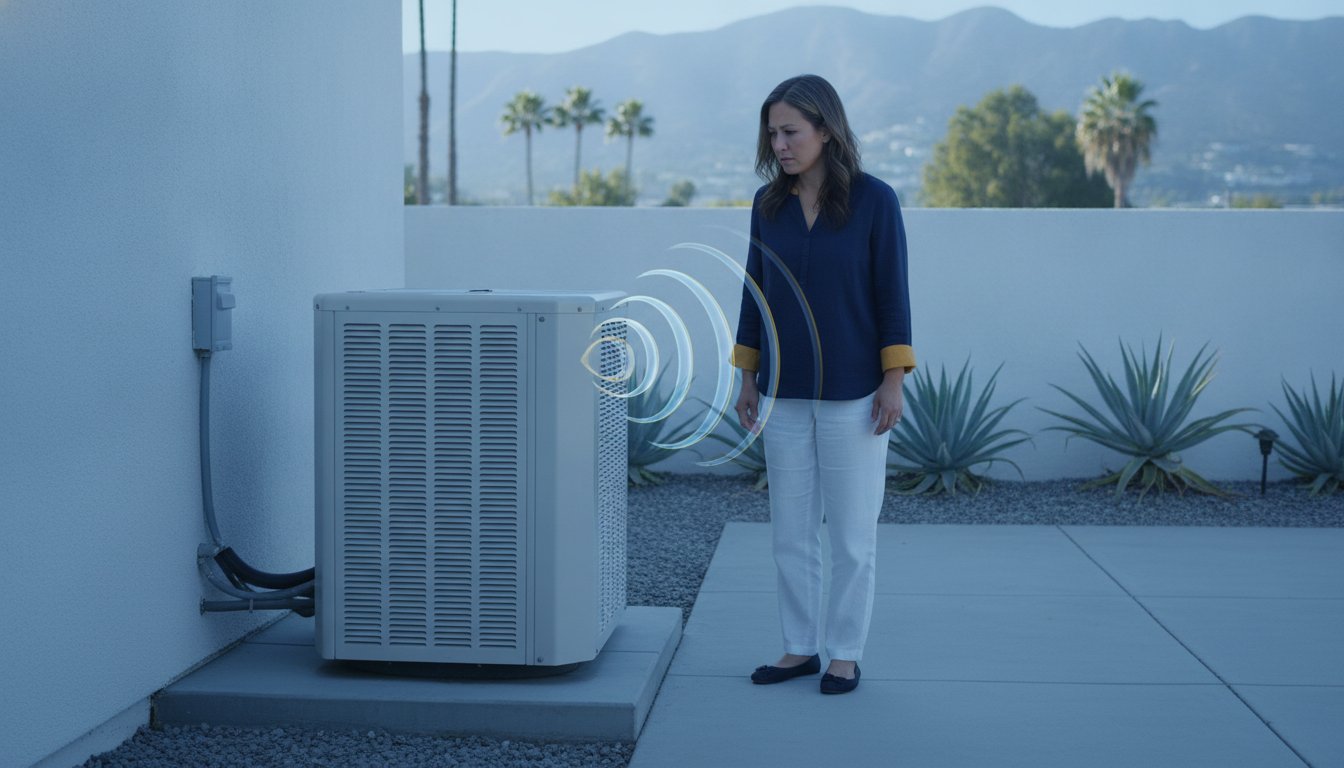
That persistent buzzing coming from your air conditioner isn't just an annoying background sound; it's actually a diagnostic roadmap telling you exactly which component is struggling before your home loses its cool. We understand the immediate stress that hits when you hear an unusual vibration during a sweltering Los Angeles afternoon. You're likely worried about the possibility of a total system breakdown or high costs, all while trying to decode technical jargon you didn't ask to learn. Finding the right AC unit making loud buzzing noise fix starts with knowing where to look and what that specific pitch means for your equipment's long term health.
Whether the sound is coming from a loose cabinet panel or a failing electrical contactor, identifying the source early can save you from a complete shutdown when you need cooling the most. In this guide, we will help you pinpoint the exact cause of the racket and explain the difference between a safe DIY adjustment and a situation that requires a professional specialist. We'll also look at how recent 2026 energy standards and refrigerant changes impact your repair options, ensuring you have the clarity needed to restore peace and reliable comfort to your home.
Key Takeaways
- Determine whether your noise is a minor mechanical vibration or a serious electrical failure by pinpointing if the sound is coming from the indoor unit or the outdoor condenser.
- Understand why failing capacitors and contactors are the most common culprits for electrical resistance and how catching these issues early prevents expensive compressor damage.
- Discover the safest path to an AC unit making loud buzzing noise fix, including which debris-clearing steps you can handle and which high-voltage repairs require a licensed technician.
- Follow a simple safety protocol to shut off power before inspecting your system, protecting both your equipment and your personal safety during the troubleshooting process.
- Learn how professional diagnostics can identify small electrical buzzes before they escalate into an emergency or lead to the need for a full air conditioning installation.
Decoding the Sound: Why Your Air Conditioner is Making a Loud Buzzing Noise
When your air conditioner transitions from its usual, steady hum to a sharp or vibrating buzz, it is essentially sending you a distress signal. In most cases, this sound is a symptom of either mechanical interference or electrical resistance. A healthy system produces a consistent, low-volume sound as the fan and compressor operate. However, a "problem" buzz often sounds erratic, metallic, or uncomfortably loud. To understand why these sounds occur, it helps to know How Air Conditioners Work; these systems rely on a delicate balance of high-voltage components and moving parts that must operate in perfect synchronization.
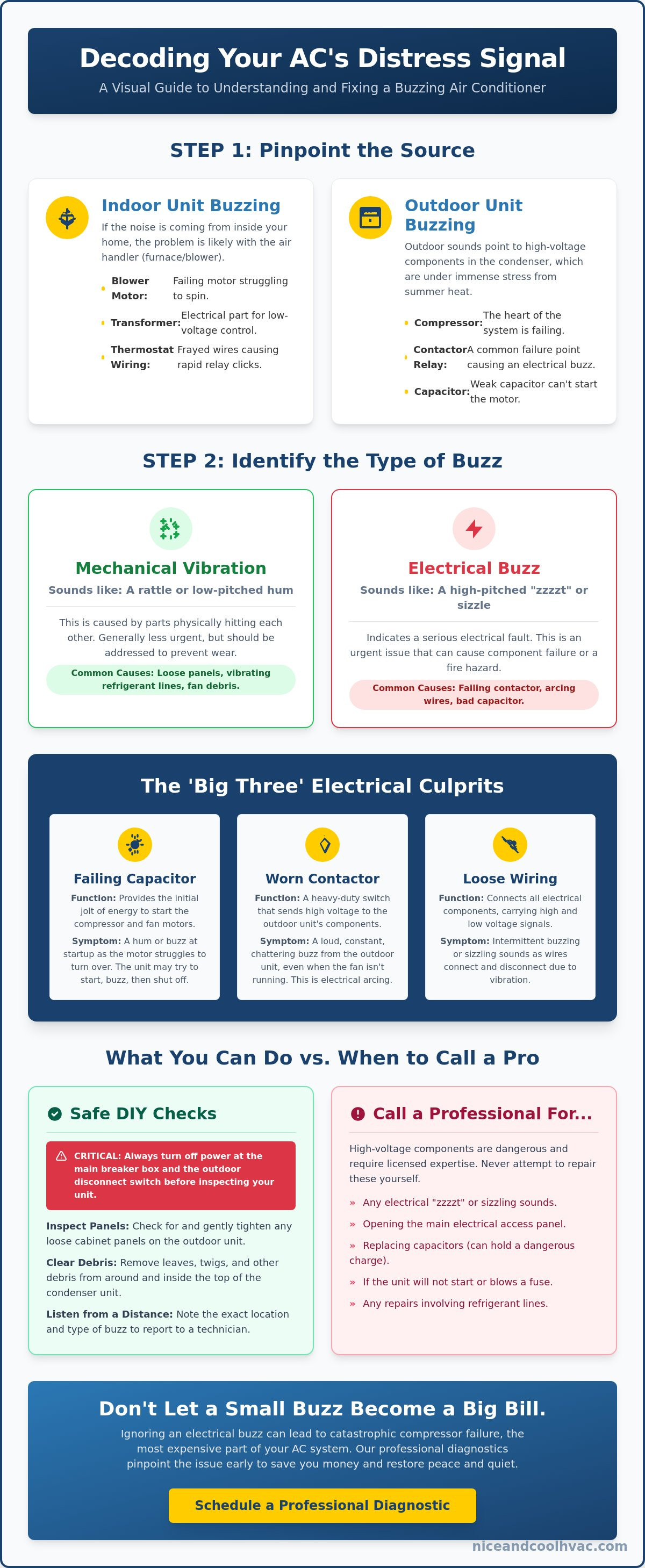
Identifying the right AC unit making loud buzzing noise fix starts with our "Location-First" diagnostic method. You need to determine if the sound originates from the indoor air handler or the outdoor condenser unit. If the noise is coming from inside your home, the issue is likely tied to the blower motor or the transformer. If the sound is outdoors, you are likely dealing with a compressor or contactor issue. Ignoring these early warning signs can lead to a total system failure, eventually resulting in an AC not blowing cold air in Los Angeles during the peak of summer heat.
Vibration vs. Electrical Buzzing
It is vital to distinguish between a mechanical vibration and an electrical fault. If the buzz sounds like a rattle or a low-pitched hum, you might just have loose cabinet panels, vibrating refrigerant lines, or debris stuck in the fan blade. These are mechanical issues where parts are physically hitting one another. On the other hand, an electrical buzz is often higher in pitch and may sound like a constant "zzzzt" or a sizzle. Electrical arcing is a high-frequency sound caused by current jumping a gap. This usually indicates that a relay, wire, or contactor is failing and requires immediate attention to prevent a fire hazard or part burnout.
The 'When' Matters: Buzzing at Startup vs. Constant Noise
The timing of the noise offers a massive clue about the failing component. If your AC unit makes a loud buzzing noise only when it first kicks on, the issue is likely the start capacitor or a struggling compressor. This "startup struggle" suggests the system is pulling too much amperage to get moving. Whether the noise is a brief zap or a sustained drone, it shouldn't be ignored. If the buzz is constant even when the fan isn't spinning, you may have a faulty solenoid or a transformer that is energized but unable to complete its task. Intermittent buzzing can be harder to track, but it often points to loose wiring that connects and disconnects as the unit vibrates.
Pinpointing the Source: Indoor vs. Outdoor Buzzing Causes
To find the right AC unit making loud buzzing noise fix, you must first act as a detective and identify where the sound is loudest. Stand safely a few feet away from your outdoor condenser unit while it is running. If the buzzing is localized here, the problem usually involves the high-voltage key air conditioner components that handle the heavy lifting of the cooling cycle. Intense Southern California summers place immense stress on these outdoor parts. During a typical July heatwave in the San Fernando Valley, outdoor units can reach internal temperatures far higher than the ambient air, which accelerates the degradation of both electrical and mechanical components.
If the noise is coming from inside your home, the diagnostic path shifts toward your air handler or furnace. Indoor buzzing often points to issues with the blower motor or the transformer. Your thermostat also plays a critical role in these sounds. It acts as the brain of the operation, but if the wiring between the thermostat and the control board is frayed, it may send an inconsistent signal. This causes relays to flip on and off rapidly, resulting in a persistent, rapid-fire buzzing sound. Whether the noise is indoors or out, identifying the source is the first step toward a quiet home. If you are unsure where the sound is coming from, scheduling a professional air conditioning repair can prevent a minor vibration from turning into a major system failure.
Common Outdoor Unit Buzzing Culprits
The most frequent outdoor offender is the contactor. Think of this as a heavy-duty switch that tells your compressor to turn on. Over time, these switches can become "pitted" or dirty, causing them to vibrate rapidly instead of making a clean connection. You might also notice a buzz if the condenser fan motor is failing. If the motor's bearings are worn out, the fan will struggle to spin, producing a loud drone or buzz. Sometimes, the fix is even simpler; loose coils or debris like dried palm fronds can rattle against the cabinet, mimicking an electrical fault through simple physical interference.
Indoor Unit Buzzing: Blower Motors and Transformers
Inside the home, the blower motor is the heart of your airflow. If its bearings begin to fail, the smooth hum of air will transition into a mechanical buzz that resonates through your vents. Another common indoor culprit is the transformer. These components step down high-voltage electricity to the low voltage used by your thermostat. If they become loose or internally damaged, they can vibrate at a high frequency even when the system isn't actively cooling. Finally, don't rule out your ductwork. If a seal has weakened, high-pressure air can cause metal panels to vibrate, creating a sound that mimics a mechanical buzz.
The 'Big Three' Electrical Failures: Capacitors, Contactors, and Wiring
Once you've localized the sound to your outdoor unit, the search for an AC unit making loud buzzing noise fix usually leads to one of three primary electrical components. These parts operate under high voltage and are subject to the intense environmental demands of the Los Angeles basin. Whether it's the blistering heat of the Inland Empire or the corrosive salt air in coastal neighborhoods like Santa Monica, our local climate dictates how these components fail. When electricity meets resistance or a failing part, the resulting vibration creates that unmistakable buzzing sound that keeps homeowners awake at night.
Coastal homeowners should be particularly aware of how salt air accelerates terminal corrosion. Salt is highly conductive and corrosive; it creates a layer of "crust" on electrical terminals that forces the system to work harder to pass current. This resistance generates heat and a low-frequency buzz. Additionally, the constant cycle of thermal expansion and contraction during LA's dramatic temperature swings can physically loosen wiring over time. These loose connections create small gaps where electricity must "jump," producing a high-pitched buzzing or sizzling sound that signals a fire risk.
The Capacitor: Your AC's Battery Boost
The run capacitor is the most common reason for a buzzing air conditioner in Southern California. Think of it as a temporary battery that gives your fan motor and compressor the extra torque they need to start. If the capacitor is failing, the motor will receive some power but not enough to actually spin, resulting in a loud, frustrated buzz. You can often spot a bad capacitor by looking for a bulging, "mushroomed" top or signs of leaking oil around the base. While some people use the "stick test" to manually jump-start a fan blade, this is a risky maneuver that doesn't solve the underlying problem. Because these components store a lethal electrical charge even when the power is off, they should only be handled by professional HVAC technicians who have the proper testing equipment.
Contactors and Arcing
The contactor is an electromechanical switch that physically closes to send power to your unit. In Los Angeles, we frequently find that small pests, specifically ants, are attracted to the electromagnetic field of a live contactor. When they get stuck between the contact points, the switch cannot close fully, leading to a "chattering" or buzzing sound as the electricity arcs across the debris. Over time, this arcing creates "pitting" on the metal surface. A pitted contactor increases electrical resistance and heat. This not only causes a persistent buzz but can eventually weld the contactor shut, causing your outdoor unit to run non-stop until the compressor burns out.
Homeowner Fixes: What You Can Safely Check Right Now
While a buzzing sound can be alarming, some causes are surprisingly simple to resolve. Before you dive into a deep technical diagnosis, there are several steps you can take to identify a straightforward AC unit making loud buzzing noise fix. Safety is our absolute priority. You should never open the electrical service panel of your unit or attempt to handle internal wiring. If you feel uncomfortable at any point, it is always better to wait for an expert.
- Step 1: Shut off power at the thermostat and the outdoor disconnect box to ensure the system cannot kick on while you are inspecting it.
- Step 2: Clear any visible debris, such as leaves, palm fronds, or twigs, that may have fallen into the outdoor fan housing.
- Step 3: Inspect the exterior cabinet for loose screws and tighten them; years of operation can cause the metal panels to rattle against the frame.
- Step 4: Check your air filter. If it is clogged with dust, the blower motor must work twice as hard, which often results in a loud mechanical buzz.
- Step 5: If the noise persists after these basic checks, stop and call for a professional air conditioning repair service.
The 'No-Go' Zones: Where DIY Becomes Dangerous
The line between a minor adjustment and a dangerous situation is very thin. One of the most critical components, the capacitor, holds a lethal electrical charge even after the power is disconnected. Attempting to discharge or replace this yourself can result in severe injury. Similarly, you should never try to "clean" or sand down pitted electrical contacts yourself. These parts are precision-engineered, and manual cleaning often leads to more arcing or a fire hazard. Finally, if you notice the buzzing is coming from inside the sealed refrigerant lines, stop immediately. Moving these components without specialized tools can cause a high-pressure refrigerant leak, which is both toxic and illegal to handle without a license.
Simple Maintenance That Silences Buzzing
Regular upkeep is the best way to prevent your system from sounding like a swarm of bees. If your outdoor unit is tilted on its pad, the fan motor will vibrate unevenly, causing a loud buzz. Simply leveling the condenser pad can often restore quiet operation. Additionally, our local "LA Dust" and smog can coat outdoor coils, forcing the compressor to run hotter and louder. Gently rinsing the exterior fins with a garden hose can help, but avoid high-pressure washers that can bend the delicate metal. For a deeper, safer clean that protects your system's efficiency, you can schedule a professional maintenance visit with our team.
When to Call Nice and Cool Inc.: Expert Solutions for LA Homeowners
If your preliminary troubleshooting steps didn't silence the system, it's time for a professional eye to step in. At Nice and Cool Inc., our diagnostic process for electrical noises goes beyond surface-level checks. We use precision meters to measure the exact amperage draw of your compressor and fan motor. This allows us to find the permanent AC unit making loud buzzing noise fix rather than just applying a temporary patch that might fail when the next heat wave hits. Our goal is to provide a solution-oriented approach that restores your peace of mind and your home's comfort.
Whether you live in the heat-prone San Fernando Valley or a coastal neighborhood, our technicians understand how local electrical standards and environmental factors impact your equipment. We focus on tailoring our services to your specific requirements. By catching a buzzing contactor or a weak capacitor early, we often help homeowners avoid the immediate cost of a full air conditioning installation. Prevention is always quieter than a major repair. Our Nice and Cool Club Maintenance Plan is designed to catch these vibrations before they become audible, ensuring your system operates at peak efficiency year-round.
Professional Repair vs. System Replacement
If your compressor begins to buzz internally, it often indicates mechanical wear that a simple part swap cannot resolve. In these situations, we provide an honest assessment of whether a repair is a sound investment. With the 2026 SEER2 standards now in effect, upgrading to a 15.2 SEER2 or higher unit can reduce your cooling energy consumption by 15% to 30%. We help you weigh these long-term energy savings against the rising costs of maintaining an older system. Our neighborly approach means you get the facts without high-pressure sales tactics, allowing you to make the best decision for your family's long-term comfort.
The Peace of Mind Guarantee
We have served Los Angeles County residents since 2005 with a commitment to craftsmanship and dependability. We understand that losing your cooling during a record-breaking summer is more than an inconvenience; it's a matter of safety. Our team is trained to handle emergency repairs with a steady, methodical pace that ensures the job is done correctly the first time. We take immense pride in our reputation as a reliable local specialist, positioning ourselves as your partner in home comfort rather than just a one-time service provider. Don't let a small noise turn into a system-wide failure. Schedule your buzzing AC diagnostic with Nice and Cool Inc. today!
Restore Your Home's Quiet Comfort
A buzzing air conditioner is more than a nuisance; it's a signal that your system is fighting electrical resistance or mechanical interference. By identifying whether the noise originates from your indoor air handler or the outdoor condenser, you have already taken the first step toward protecting your equipment. Whether the issue is a simple loose panel or a failing capacitor, addressing these sounds early prevents a small vibration from turning into a total system shutdown during a peak Los Angeles heat wave.
Finding the right AC unit making loud buzzing noise fix involves balancing basic homeowner maintenance with the technical expertise required for high-voltage components. Nice and Cool Inc. has been serving Los Angeles families since 2005. As a family-owned and operated business, we take pride in providing honest assessments and expert SEER2 compliant installations that meet the latest 2026 standards. We are committed to your long-term comfort and safety.
Don't let an annoying buzz compromise your peace of mind. Schedule Your Professional AC Diagnostic Now and let our specialists restore your system to its peak, quiet performance. We look forward to helping you keep your home cool and quiet all summer long.
Frequently Asked Questions
Is it safe to run my AC if it's making a loud buzzing noise?
It is not advisable to run your air conditioner while it is producing an aggressive buzzing sound. This noise often indicates that a component is struggling with electrical resistance or mechanical failure, which can lead to a total system burnout. If you continue to operate the unit, you risk damaging the compressor, the most expensive part of your system. Shutting the power off immediately is the safest way to prevent a minor repair from becoming a costly replacement.
Why is my AC buzzing but the fan is not spinning?
A buzzing sound paired with a stationary fan usually points to a failed start or run capacitor. The capacitor provides the initial electrical "push" needed to get the fan blades moving. When it fails, the motor hums as it receives power but lacks the torque to spin. This is a common AC unit making loud buzzing noise fix that requires a professional to safely discharge stored electricity before replacing the part to restore your cooling.
How much does it typically cost to fix a buzzing AC unit in Los Angeles?
Repair costs in Los Angeles depend heavily on whether the buzzing is caused by a simple electrical part or a major mechanical component. Minor fixes like replacing a capacitor or cleaning a contactor are generally more budget-friendly, while a failing compressor or fan motor represents a larger investment. Factors like the age of your system and current refrigerant standards also play a role. We focus on providing transparent, upfront information so you can make an informed decision for your home.
Can a dirty air filter really cause my AC to make a buzzing sound?
A heavily clogged air filter is a frequent cause of indoor buzzing sounds. When airflow is restricted, the blower motor must work significantly harder to pull air through the system, creating a loud mechanical drone or vibration. This strain doesn't just make noise; it also increases your energy bills and shortens the lifespan of your motor. Regularly changing your filter every 30 to 90 days is the easiest way to keep your system quiet and efficient.
What is the difference between a hum and a buzz in an HVAC system?
A hum is typically the healthy sound of your system's transformer and motors working as intended. In contrast, a buzz is a sharper, more aggressive sound that indicates something is wrong. Whether it's electrical arcing between contact points or a loose panel vibrating against the frame, a buzz suggests that a component is meeting resistance. If the sound becomes loud enough to hear through walls, it has transitioned from a normal operational hum to a problem buzz.
Could a buzzing noise mean I have a refrigerant leak?
A buzzing noise can occasionally signal a refrigerant leak, particularly if the sound is a high-pitched "hissing-buzz" near the evaporator coil. Low refrigerant levels also cause the compressor to run at higher temperatures, which can lead to an internal mechanical buzz as the component struggles to maintain pressure. Because handling refrigerant requires specific certification, this is a situation where you should always rely on a licensed specialist to safely locate and seal the leak.
How do I know if my AC contactor is bad?
You can often identify a failing contactor by a distinct "chattering" sound when the unit tries to start. If you look at the component, you might see black soot or "pitting" on the metal surfaces where the electrical connection is made. In Los Angeles, small pests are frequently attracted to the electromagnetic field and can get stuck between the contacts, preventing a clean connection. This creates a constant electrical buzz as the current arcs across the debris.
Will the 'Nice and Cool Club' maintenance plan prevent these noises?
Our Nice and Cool Club Maintenance Plan is specifically designed to identify and resolve these issues before they become audible. During our scheduled visits, we test the electrical health of your capacitors and inspect contactors for signs of wear or pitting. By maintaining these small parts, we prevent the sudden failure and loud noises that often occur during the hottest days of the year. It's the most reliable way to ensure long-term peace and home comfort.
Frequently Asked Questions
It is vital to distinguish between a mechanical vibration and an electrical fault. If the buzz sounds like a rattle or a low-pitched hum, you might just have loose cabinet panels, vibrating refrigerant lines, or debris stuck in the fan blade. These are mechanical issues where parts are physically hitting one another. On the other hand, an electrical buzz is often higher in pitch and may sound like a constant "zzzzt" or a sizzle. Electrical arcing is a high-frequency sound caused by current jumping a gap. This usually indicates that a relay, wire, or contactor is failing and requires immediate attention to prevent a fire hazard or part burnout.