Best HVAC Company for Older Homes in Los Angeles: A 2026 Buyer’s Guide
June 22, 2026 17 min read
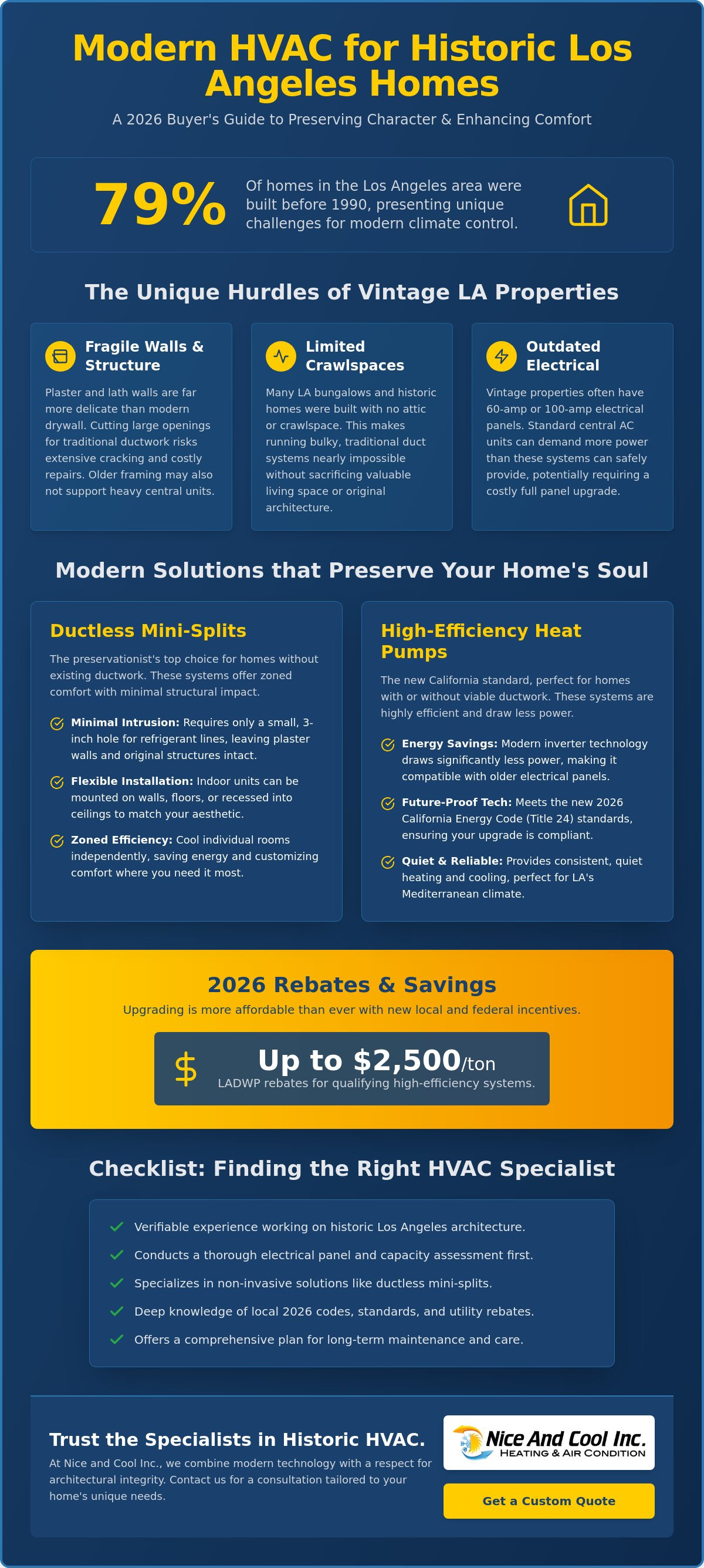
Did you know that nearly 79% of homes in the Los Angeles area were built before 1990? For many homeowners, the search for the best HVAC company for older homes in Los Angeles feels like a difficult choice between modern comfort and historical preservation. You shouldn't have to sacrifice your home's original character just to stay cool during a summer heatwave. Whether you are dealing with delicate plaster walls, limited crawlspaces, or an outdated electrical panel, the challenge is finding a solution that fits your house instead of forcing it.
We understand the anxiety that comes with updating a vintage property, especially with the 2025 California Energy Code now in full effect as of January 1, 2026. If you want to lower your energy bills without tearing up your floorboards, then modern heat pump technology is likely your best path forward. In this 2026 buyer’s guide, we will show you how to navigate the latest LADWP rebates of up to $2,500 per ton for qualifying systems. You will discover how custom ductless mini-split systems and high-efficiency heat pumps provide quiet, reliable cooling while preserving every bit of your home’s architectural soul.
Key Takeaways
- Learn how to navigate the unique structural challenges of historic Los Angeles architecture without damaging your home's original design.
- Compare high-efficiency options like ductless mini-splits and modern heat pumps based on how well they preserve your interior aesthetic.
- Use our professional checklist to identify the best HVAC company for older homes in Los Angeles and ensure your contractor has the right expertise.
- Find out how to leverage 2026 local utility rebates and new energy standards to make your HVAC upgrade more affordable.
- Discover the importance of long-term care through specialized maintenance to keep your customized system running efficiently for the long haul.
Why Older Los Angeles Homes Require a Specialized HVAC Approach
Los Angeles is famous for its architectural heritage. From the sprawling Craftsman bungalows in Pasadena to the ornate Spanish Colonials in Beverly Grove, these homes define our city's character. However, if you live in a property built before 1950, you've likely realized that staying cool is a constant struggle. Most of these structures were built long before central air conditioning was a standard feature. Finding the best HVAC company for older homes in Los Angeles means looking for a specialist who understands that your house isn't just a project; it's a piece of history.
Standard "big box" HVAC companies often treat every installation the same. They might suggest invasive ductwork that destroys original crown molding or threatens the structural stability of vintage framing. This "one-size-fits-all" approach fails because it ignores the unique structural DNA of historic LA homes. A specialized contractor knows that preserving architectural integrity is just as important as the cooling itself. Before you start a project, it's helpful to review a comprehensive overview of HVAC systems to understand how different technologies might interact with your specific layout.
The Plaster and Lathe Hurdle
Traditional homes in Los Angeles use plaster and lath walls, which are much more fragile than modern drywall. If a contractor starts cutting wide holes for standard ductwork, they risk cracking the surrounding surfaces and driving up restoration costs. Beyond the walls, many century-old attic joists weren't designed to support the weight of heavy, oversized units. A specialist will look for lightweight solutions that don't stress the foundation or the framing. They focus on precision rather than demolition.
Electrical Capacity in Historic Districts
Many historic homes still operate on 60-amp or 100-amp electrical panels. Modern central air units often require more power than these old systems can provide without a total overhaul. Whether you're in a historic district or a classic bungalow, the best HVAC company for older homes in Los Angeles will always check your panel first. They often recommend high-efficiency inverters or heat pumps that draw less power. This careful planning can save you from a costly electrical upgrade while keeping your home perfectly chilled during a Santa Ana wind event.
Modern HVAC Options: Which One Fits Your Older Home?
Choosing the right equipment for a historic property involves more than just picking a unit with high ratings. You have to consider a "preservation score." This score measures how much of your home's original structure remains untouched after the installation. Whether you are looking to cool a single sunroom or an entire four-bedroom Spanish Colonial, the goal is a bespoke fit. If you live in a multi-story Craftsman, you might find that a single central unit leaves the upstairs bedrooms sweltering while the parlor stays freezing. This is why zoned cooling is essential. By dividing your home into independent temperature zones, you can tailor your comfort to how you actually use your space. Navigating these choices is easier when you partner with the best HVAC company for older homes in Los Angeles to ensure every detail is handled with care.
As of 2026, the transition from gas furnaces to electric systems has accelerated across Southern California. New Title 24 standards make electric heat pumps the prescriptive default for most residential replacements. While some homeowners worry about the switch, modern technology has made these systems incredibly reliable in our Mediterranean climate. Before making a decision, it's wise to research 2026 rebates for home energy upgrades to see how much you can save on these high-efficiency transitions.
Ductless Mini-Splits: The Preservationist’s Choice
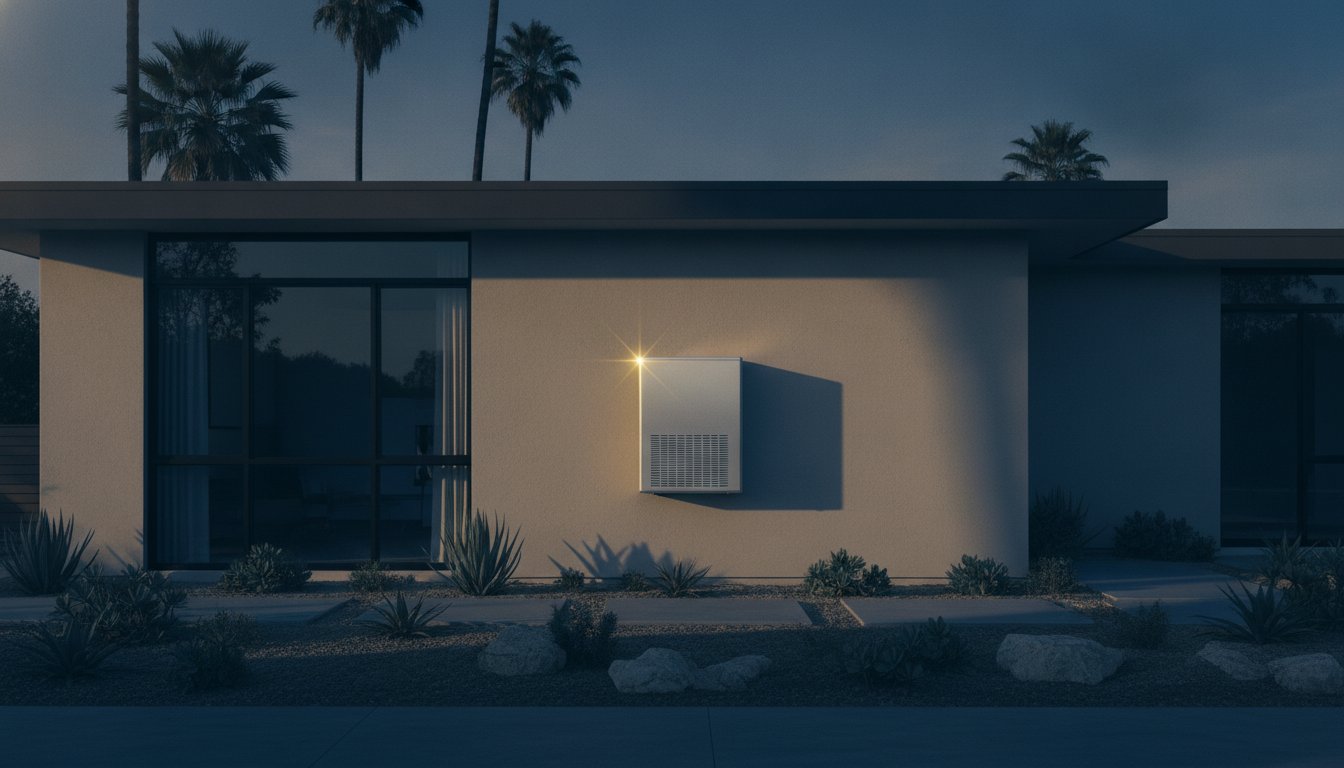
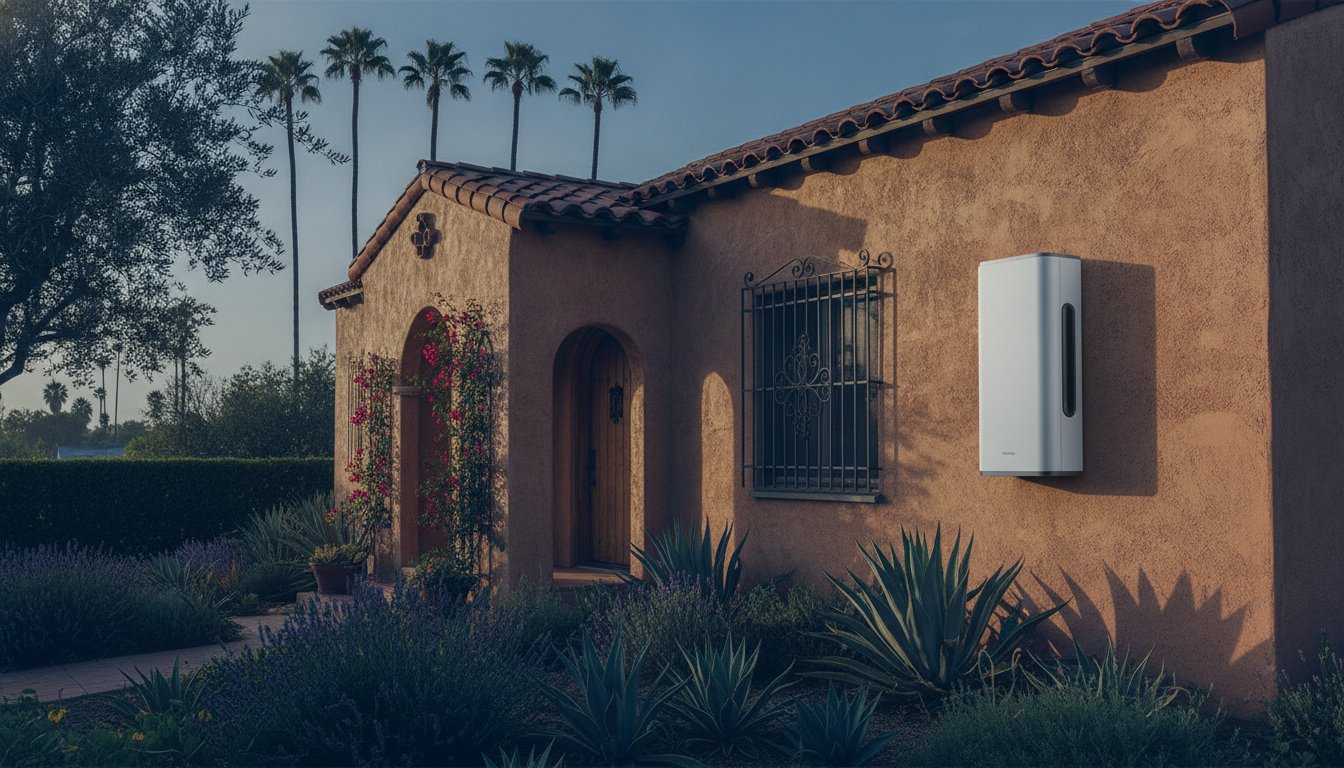
If your home lacks existing ductwork, ductless mini-splits are often the most elegant solution. These systems use small refrigerant lines that require only a three-inch hole in the wall, leaving your historic plaster and lath intact. You can choose between wall-mounted units, floor-mount styles that mimic traditional radiators, or recessed ceiling cassettes for a more discreet look. Because they don't require bulky duct runs, mini-splits provide a seamless way to add climate control to LA bungalows that have absolutely no attic or crawlspace for traditional hardware. This flexibility is why many homeowners consider us the best HVAC company for older homes in Los Angeles when preservation is the top priority.
Heat Pumps: The 2026 Efficiency Standard
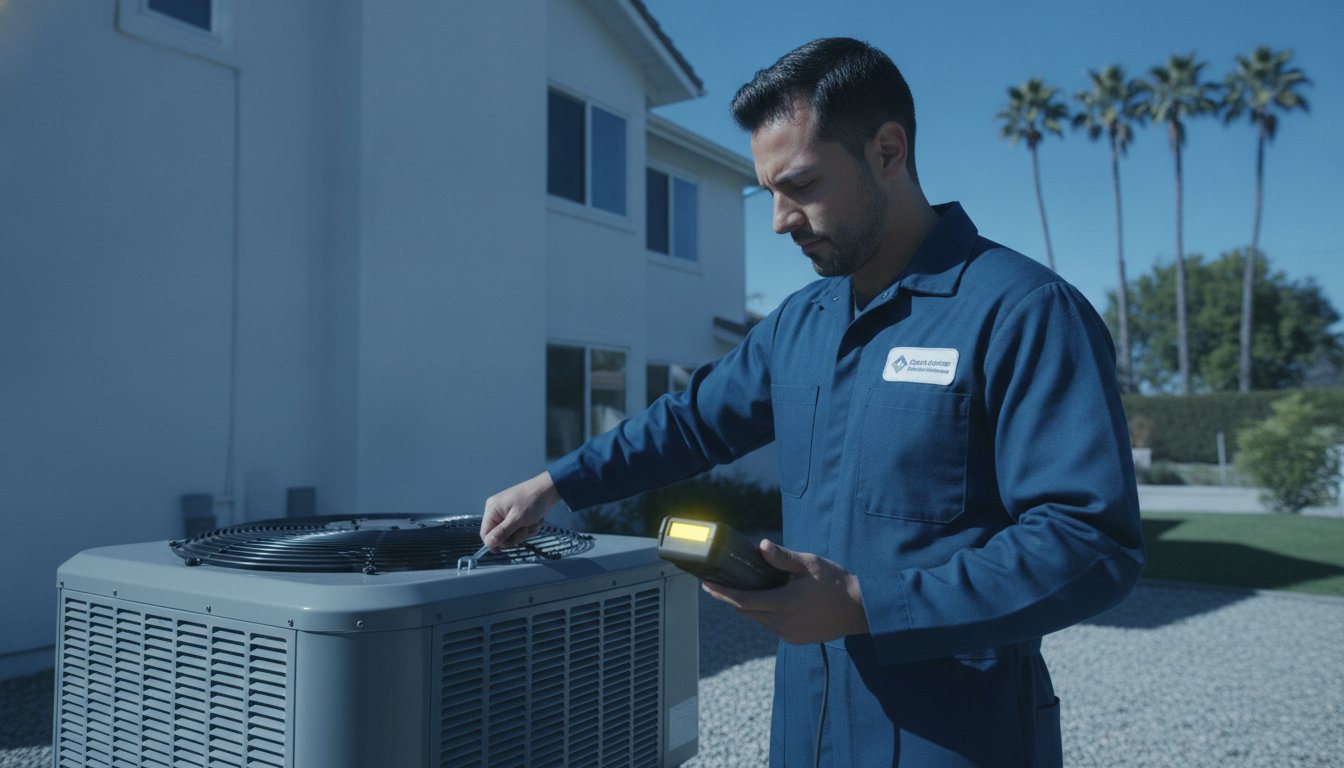
For homes that already have ductwork or those undergoing a full renovation, a modern heat pump installation is the gold standard for efficiency. These systems provide both heating and cooling from a single outdoor unit. If your home still uses vintage radiators, we can even design dual-fuel systems that combine the precision of a heat pump with your existing setup. With the baseline minimum efficiency now set at 15.2 SEER2, these units significantly lower monthly energy bills compared to the aging systems found in most LA neighborhoods. If you aren't sure which configuration fits your floor plan, our team can help you evaluate your home's specific needs.
How to Identify the Best HVAC Company for Older Homes
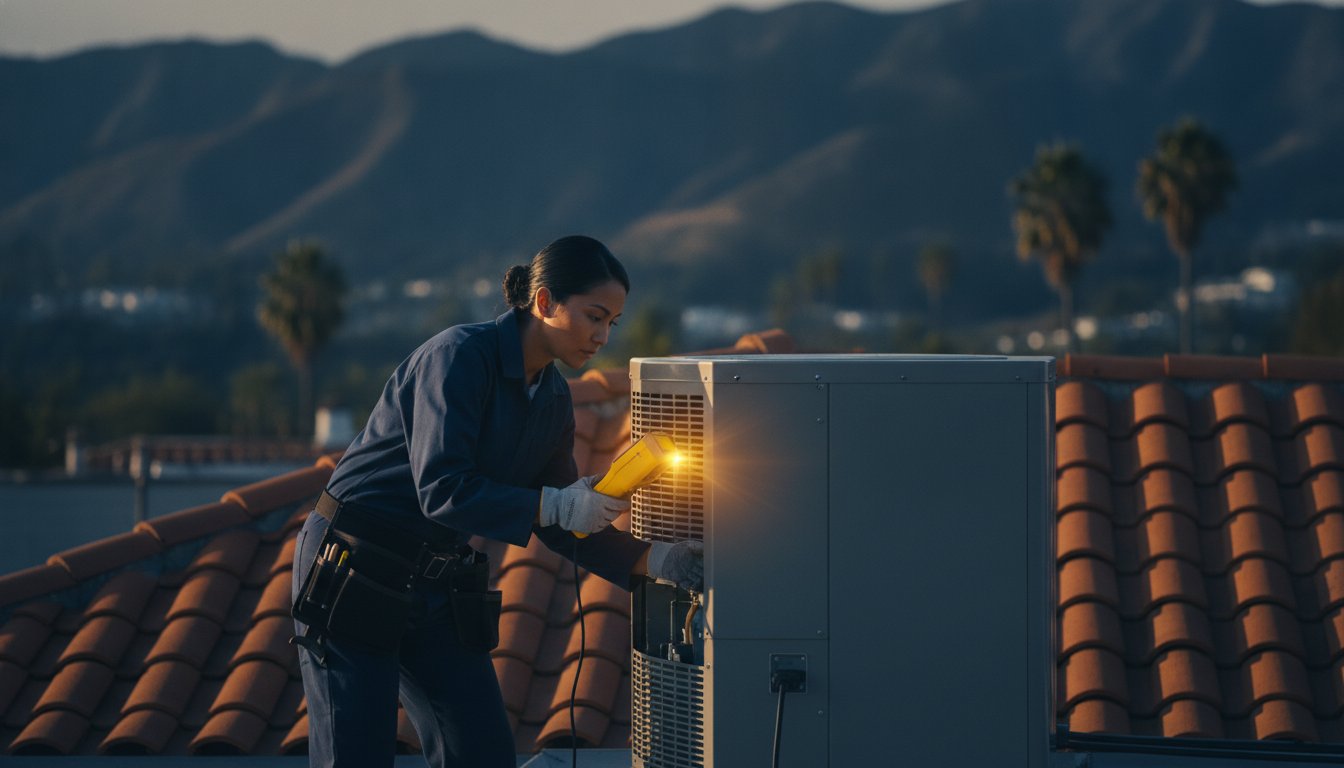
Finding a contractor for a modern condo is a straightforward task, but selecting the best HVAC company for older homes in Los Angeles requires a different set of criteria. You aren't just looking for someone who can swap out a box. You need a partner who understands the structural nuances of a home that has stood for nearly a century. Start by verifying their C-20 License. While this is the legal minimum for HVAC work in California, it doesn't guarantee they have the delicate touch needed for historic preservation. A true specialist will always insist on performing a Manual J load calculation. This scientific process measures exactly how much heating and cooling your specific home needs, accounting for original windows, high ceilings, and the lack of modern insulation.
Many homeowners hesitate to upgrade because they fear their house will become a dusty construction site. If a contractor is experienced in historic properties, they will treat your home like a museum. They use drop cloths, HEPA-filtered vacuums, and surgical precision to ensure the installation is seamless. If you're worried about the mess, ask potential contractors about their specific cleanup protocols and how they protect original wood floors or vintage wallpaper during the process.
Experience with Retrofitting vs. New Construction
New construction experience rarely translates to the complexities of a historic retrofit. In new builds, everything is open and accessible. In a 1920s bungalow, everything is a puzzle. When vetting a company, ask about their previous work in LA historic districts like Angelino Heights or Hancock Park. A family-owned business with local roots often carries a deeper respect for the neighborhood's architectural legacy. They know how to work within the tight constraints of a California basement or a shallow attic without compromising the home's integrity.
The Importance of Custom Sizing
Older homes are naturally "leaky" when it comes to air. If a company simply looks at your square footage and picks a unit, they'll likely install something oversized. This leads to short-cycling, where the unit turns on and off constantly, wearing out the parts and leaving your home humid. Instead, look for modern, high-efficiency heat pumps that utilize variable-speed technology. These systems adjust their output in tiny increments to maintain a steady temperature. This level of customization is the cornerstone of the Nice and Cool standard of craftsmanship, ensuring your system is perfectly tailored to your home’s unique personality.
2026 Rebates and ROI for Older Home Upgrades in LA
Modernizing a historic property is a significant investment, but 2026 offers some of the most compelling financial incentives we've seen in years. If you are looking for the best HVAC company for older homes in Los Angeles, you need a partner who doesn't just install equipment but also helps you maximize every available dollar. While the Federal Inflation Reduction Act (IRA) Section 25C tax credit expired on December 31, 2025, local utility programs have stepped up to fill the gap. By choosing high-efficiency systems, you can offset a substantial portion of your project costs through direct rebates from the Los Angeles Department of Water and Power (LADWP) and Southern California Edison (SCE).
One of the most effective ways to manage the cost of an upgrade is by "stacking" rebates. For instance, many older homes require an electrical panel upgrade to handle the load of a modern heat pump. If you coordinate these upgrades, you can often find specific incentives that cover both the HVAC equipment and the necessary infrastructure. Beyond the immediate cash back, replacing a 20-year-old furnace with a modern heat pump can reduce your heating and cooling energy consumption by up to 50%, providing a return on investment that pays out every single month through lower utility bills.
LADWP and SCE Local Incentives
As of June 2026, LADWP offers impressive rebates for residents transitioning to electric climate control. Ductless mini-split systems can qualify for up to $2,500 per ton if they meet the 20.5 SEER2 and 9.1 HSPF2 efficiency ratings. For central ducted heat pumps, rebates start at $1,000 per ton for baseline models and increase to $1,250 per ton for higher-tier equipment. Older homes often qualify for these higher tiers because the efficiency jump from a vintage unit to a 2026 model is so dramatic. You can find a full 2026 homeowner’s guide on our site to help you calculate your specific savings.
Long-Term Energy Savings in LA
Energy efficiency isn't just about the environment; it’s about survival during a San Fernando Valley summer. High SEER2 ratings are critical in our climate because they measure how much cooling you get for every watt of electricity used. Whether you live in a drafty Victorian or a Spanish Colonial, integrating a smart thermostat can add another $140 in direct rebates while shaving 10 to 15% off your annual cooling costs. An older home equipped with a modern, quiet, and efficient HVAC system also commands a higher market value, as buyers in 2026 prioritize move-in-ready comfort and low operating costs. If you're ready to see how these numbers look for your property, reach out to our specialist team today for a tailored efficiency assessment.
Nice and Cool Inc.: Your Local Historic HVAC Specialist
Nice and Cool Inc. is more than just a service provider; we are a family-oriented business that takes immense pride in our reputation within the Los Angeles community. We understand that your home is likely your most significant investment and a piece of our city's vibrant history. Whether you own a 1920s Spanish Colonial or a classic bungalow, we treat your property with the care it deserves. Our team knows that being the best HVAC company for older homes in Los Angeles requires a commitment to craftsmanship that large, high-pressure corporations often overlook. We don't believe in one-size-fits-all solutions. Instead, we act as a helpful guide to help you find the perfect balance between modern performance and historic charm.
Our roots in the local community give us a unique perspective on the challenges homeowners face. With California aiming for 6 million heat pump installations by 2030, the shift toward electrification is a major priority for our neighbors. We are here to ensure that this transition is smooth, reliable, and respectful of your home’s architectural soul. If you want a partner who values honesty and a strong work ethic, you've found the right team.
Our Approach to Historic Preservation
Preserving original finishes is our top priority during every installation. We use specialized techniques to minimize wall penetrations and protect delicate plaster work. Our expertise in ductless mini-split systems allows us to provide powerful climate control in homes where traditional ductwork is simply not an option. We take the time to "tailor" every system, ensuring the equipment blends into your interior design rather than distracting from it. This bespoke service model is why we are consistently recognized as the best HVAC company for older homes in Los Angeles by those who value quality over speed.
The Nice and Cool Club Maintenance Plan
Once your new system is in place, routine care is the only way to ensure it lasts for decades. Retrofitted systems in older homes often work harder to maintain temperatures, making regular check-ups essential. Our Nice and Cool Club Maintenance Plan provides the peace of mind that comes with professional oversight. Club members receive priority service during those intense LA heatwaves, ensuring your family stays comfortable when the grid is under the most stress. It’s a simple, methodical way to protect your investment and maintain peak efficiency year-round.
Are you ready to see how a modern system can fit into your vintage home? Contact us today for a specialized historic home assessment. We will walk through your property together, identify the best path forward, and provide a clear, honest plan for your long-term comfort.
Modernize Your Historic Property With Professional Care
Upgrading a vintage home doesn't have to be a destructive process. By choosing high-efficiency technology like ductless mini-splits and taking advantage of 2026 LADWP rebates, you can achieve modern comfort without losing the architectural details that make your house special. Proper sizing and a deep respect for historic materials are the most important factors in a successful retrofit. Finding the best HVAC company for older homes in Los Angeles means choosing a partner who values your home's past as much as its future.
At Nice and Cool Inc., we have been family-owned and operated since 2005. We specialize in ductless mini-split retrofits and offer the Nice and Cool Club Maintenance Plan to ensure long-term peace of mind. Our team is ready to help you navigate the unique challenges of your property with precision and neighborly warmth. Schedule Your Historic Home HVAC Assessment with Nice and Cool Inc. today. We look forward to helping you stay cool while keeping your home's character perfectly intact.
Frequently Asked Questions
Is it possible to install central AC in a home with no ductwork?
Yes, you can enjoy whole-home climate control without existing ductwork by choosing a ductless mini-split system. These units require only a small refrigerant line to connect the indoor and outdoor components. If you want to avoid the destruction of traditional duct retrofitting, these systems are the most effective way to modernize your home while keeping your ceilings and walls intact.
What is the best HVAC system for a 100-year-old house in Los Angeles?
A ductless mini-split system is often the ideal choice for century-old LA homes because it bypasses the need for invasive construction. If your home has a crawlspace or attic, a high-velocity system is another excellent option. The best HVAC company for older homes in Los Angeles will help you choose based on your specific floor plan and preservation goals.
How much do 2026 heat pump rebates save LA homeowners?
In 2026, LADWP provides rebates of up to $2,500 per ton for qualifying ductless mini-split systems. For central ducted heat pumps, you can expect between $1,000 and $1,250 per ton depending on the efficiency rating. These incentives, combined with a $140 smart thermostat rebate, significantly lower the initial cost of your high-efficiency upgrade.
Will installing new HVAC damage my historic plaster walls?
Specialized installation techniques ensure that your historic plaster and lath walls remain undamaged. We use precision tools to create small, three-inch penetrations for refrigerant lines rather than cutting large channels for ducts. This surgical approach prevents the cracking and crumbling often associated with standard construction methods used by less experienced crews.
Can I keep my original radiators while adding modern cooling?
You can certainly keep your original radiators while adding a modern cooling system. Many homeowners choose to retain their vintage heating for its aesthetic value while installing a ductless system for summer relief. Whether you want a completely separate cooling system or a hybrid setup, we can tailor a solution that respects your home’s existing features.
How long does a specialized HVAC installation take in an older home?
A specialized HVAC installation in a historic property typically takes between three and five days to complete. While a standard swap in a newer home might be faster, retrofitting an older structure requires a methodical pace to ensure every component fits perfectly. We take the time to protect your floors and finishes throughout the entire process.
What electrical upgrades are typically needed for older LA homes?
Older Los Angeles homes often require an upgrade to a 200-amp electrical panel to support modern HVAC equipment safely. If your home currently operates on a 60-amp or 100-amp service, this upgrade prevents tripped breakers and reduces fire hazards. A local expert will always evaluate your electrical capacity before recommending a specific high-efficiency unit.
Why should I choose a local LA company over a national franchise?
Local companies possess a deep understanding of Los Angeles architectural styles like Craftsman and Spanish Colonial. National franchises often use high-pressure sales tactics and standardized methods that don't account for the nuances of historic properties. Choosing the best HVAC company for older homes in Los Angeles ensures you receive personalized service from someone who knows your neighborhood's specific requirements.
For those who want to dive deeper into the technical aspects of these systems, you can learn more about HVAC Installation and Repair Services to better understand the standard of care required for modern heating and cooling solutions.
Frequently Asked Questions
Traditional homes in Los Angeles use plaster and lath walls, which are much more fragile than modern drywall. If a contractor starts cutting wide holes for standard ductwork, they risk cracking the surrounding surfaces and driving up restoration costs. Beyond the walls, many century-old attic joists weren't designed to support the weight of heavy, oversized units. A specialist will look for lightweight solutions that don't stress the foundation or the framing. They focus on precision rather than demolition.