Choosing an Air Conditioner in Los Angeles: The 2026 Homeowner’s Guide
May 20, 2026 17 min read
The brand name on your outdoor unit matters far less than the specific microclimate of your Los Angeles neighborhood. Whether you are dealing with the salty air of the Westside or the intense heat of the San Fernando Valley, choosing an air conditioner los angeles families can depend on requires a localized strategy. If your current system leaves some rooms freezing while others swelter, or if your monthly utility bills are climbing alongside the summer temperature, it's clear that a one-size-fits-all solution won't cut it for your home.
We believe every homeowner deserves a cooling system that is as reliable as it is efficient. This guide will show you how to select the perfect unit by balancing the latest 2026 SEER2 standards with your home’s specific architecture and air quality needs. We'll explain the new Title 24 energy regulations, the shift to eco-friendly R-454B refrigerants, and how you can use local incentives like LADWP rebates or the GoZero program to make a high-performance heat pump installation more affordable than you might think.
Key Takeaways
- Learn why your neighborhood's specific microclimate and your home's architecture are more critical than the brand name when choosing an air conditioner los angeles.
- Understand the new SEER2 efficiency standards and why avoiding an oversized unit is essential for preventing mold and high utility bills.
- Compare the benefits of traditional central air, versatile heat pump services, and ductless mini-split systems to find the best fit for your home's layout.
- Discover how indoor air quality solutions and smart controls can combat Los Angeles smog and dust while maintaining consistent comfort.
- Find out why the precision of your installation and a dedicated maintenance plan are the most important factors for long-term system reliability.
Understanding the Los Angeles Microclimate and Your Cooling Needs
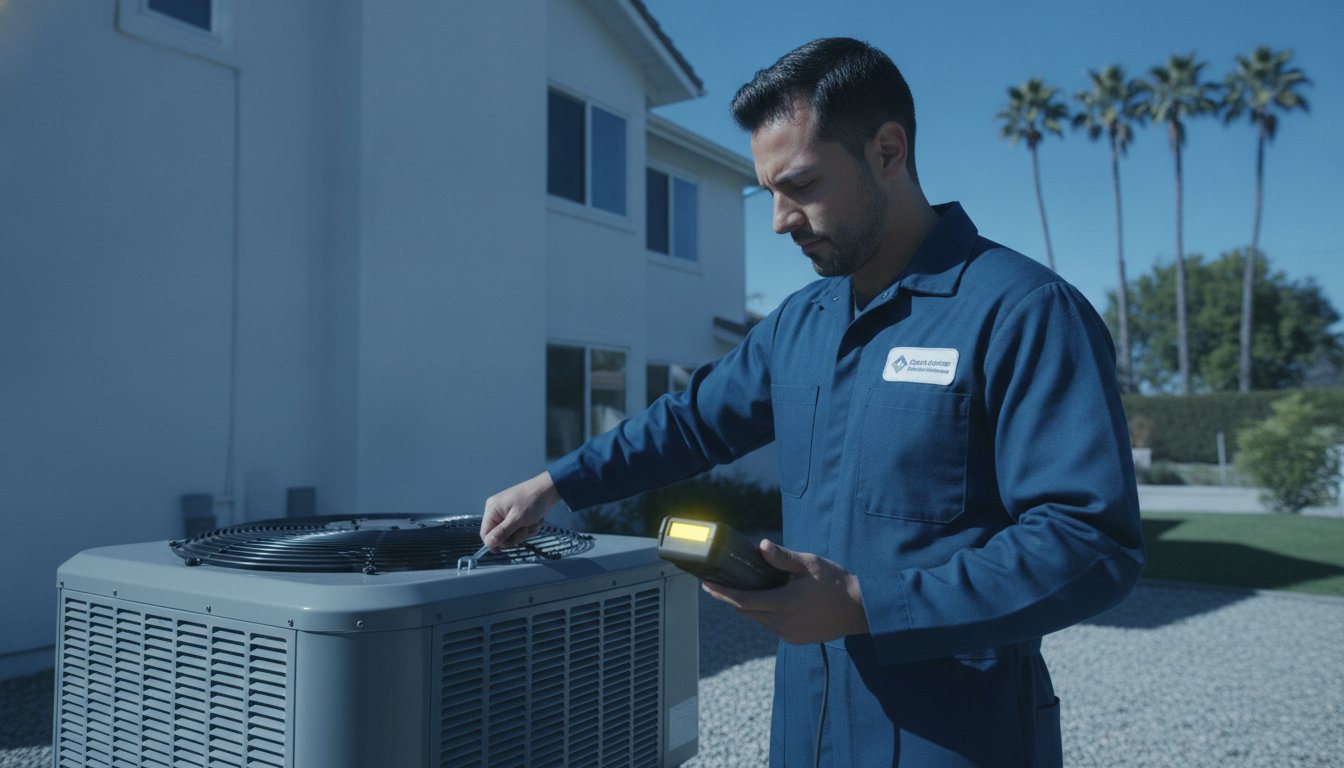
Los Angeles is a city of distinct environments. You might be enjoying a cool 72 degrees in Venice while a neighbor in Burbank is facing a triple-digit heatwave. This geographic diversity is the most important factor when choosing an air conditioner los angeles homeowners can rely on for years. Before you look at brand names, you need to look at your zip code. If you live in a region where the heat is relentless, your system needs a higher capacity and more robust components than a unit designed for a milder climate. To understand the technical side of how these systems manage temperature and humidity, it's helpful to review How Air Conditioning Works and the different ways heat is moved out of a home.
The Valley vs. The Coast: A Tale of Two Climates
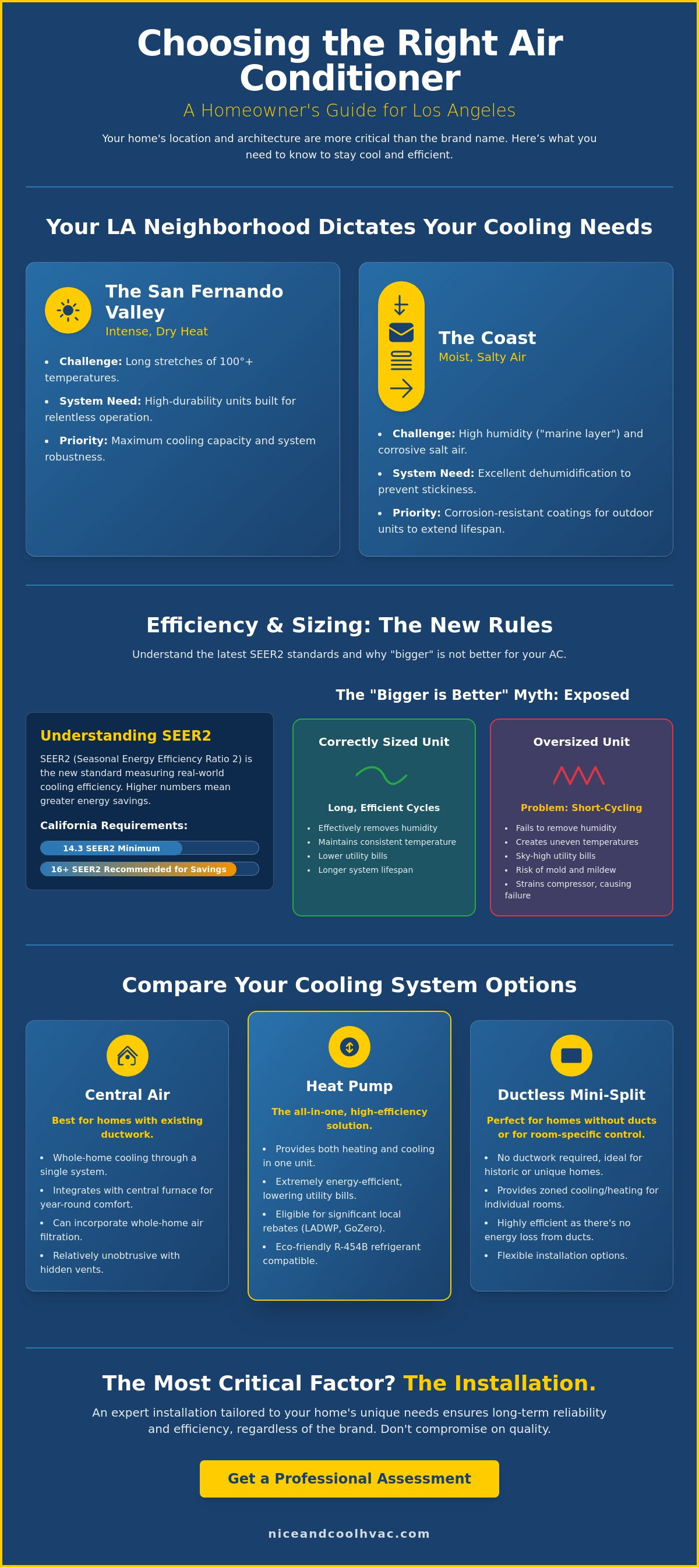
In the San Fernando Valley, the "dry heat" means your AC works extremely hard for long stretches. These homes require high-durability systems that won't fail during a week-long 100-degree stretch. Conversely, coastal homes deal with the "marine layer." This moisture-heavy air requires a system that prioritizes dehumidification to prevent that sticky, indoor feeling. If you're near the ocean, the salt air can also corrode outdoor condensers faster. We often recommend specialized coatings for outdoor units in these areas to extend their lifespan. Choosing an air conditioner los angeles families need depends entirely on which side of the Sepulveda Pass they call home.
Architectural Challenges in LA Homes
The style of your home dictates your installation needs. If you live in a historic Spanish bungalow, you likely face the "attic heat" problem. These homes often lack modern insulation, and their narrow crawlspaces make traditional ductwork difficult. For these properties, ductless mini-split systems are often a smarter choice than a central unit. Whether you have a vintage cottage or a glass-heavy modern build, your system must be sized with precision. Large windows in modern open-plan homes create a greenhouse effect. These designs require high-tonnage precision to keep the living space comfortable without driving utility bills through the roof.
Don't forget to assess your home's "envelope" before making a purchase. If your windows are single-pane or your attic insulation is thin, even the best AC will struggle. A local specialist will look at your window types and insulation levels to ensure the system is tailored to your specific environment. It's about finding a balance between the power of the unit and the reality of your home’s construction.
Sizing and SEER2: The New Standards for LA Efficiency
Technical specifications often feel like a different language, but they are the key to keeping your home comfortable without draining your bank account. If you are choosing an air conditioner los angeles homeowners now have to navigate the updated SEER2 requirements that went into effect to ensure better energy performance in our warm climate. These aren't just arbitrary numbers; they represent a significant shift in how we measure cooling power and electrical consumption. While the old SEER rating was a laboratory estimate, the new SEER2 standard uses testing conditions that more accurately reflect the actual duct pressure found in a typical Southern California home.
Decoding SEER2 Ratings for 2026
SEER2 is the new efficiency benchmark for the Southwest region, calculating how much cooling a system provides per watt of electricity used under real-world pressure conditions. In California, the minimum SEER2 for a new residential split-system installation is 14.3, which is higher than the requirements for northern states. This higher floor exists because our cooling systems run for more hours throughout the year. Finding the "sweet spot" means looking beyond the minimum. While a 14.3 unit is compliant, moving to a higher-rated energy-efficient model can lead to substantial long-term savings on your Southern California Edison (SCE) bills. You have to balance that higher upfront equipment cost against the monthly utility drop you'll see over the next fifteen years.
The Myth of the "Bigger" Air Conditioner
Many people assume that a larger unit will cool a house faster, but this is one of the most expensive mistakes you can make. If a system is too powerful for your square footage, it will engage in "short-cycling." This means the unit turns on, blasts the house with cold air, and shuts off before it can complete a full cooling cycle. This constant starting and stopping destroys your compressor and prevents the system from removing moisture from the air. Whether you live in a humid coastal zone or a dry valley pocket, an oversized unit will leave your home feeling clammy and can even lead to mold growth in your ductwork.
Precision is the only way to avoid these issues. Instead of using a "rule of thumb" based solely on square footage, a professional should perform a Manual J Load Calculation. This process accounts for your home's insulation, window orientation, and ceiling height to determine the exact tonnage you need. If your current system feels inconsistent, it might be time to look at Air Conditioning Installation options that are properly tailored to your floor plan. Proper sizing ensures that your system runs long enough to dehumidify the air while maintaining the quiet, steady flow of comfort that a modern home requires.
Comparing Systems: Central AC, Heat Pumps, and Mini-Splits
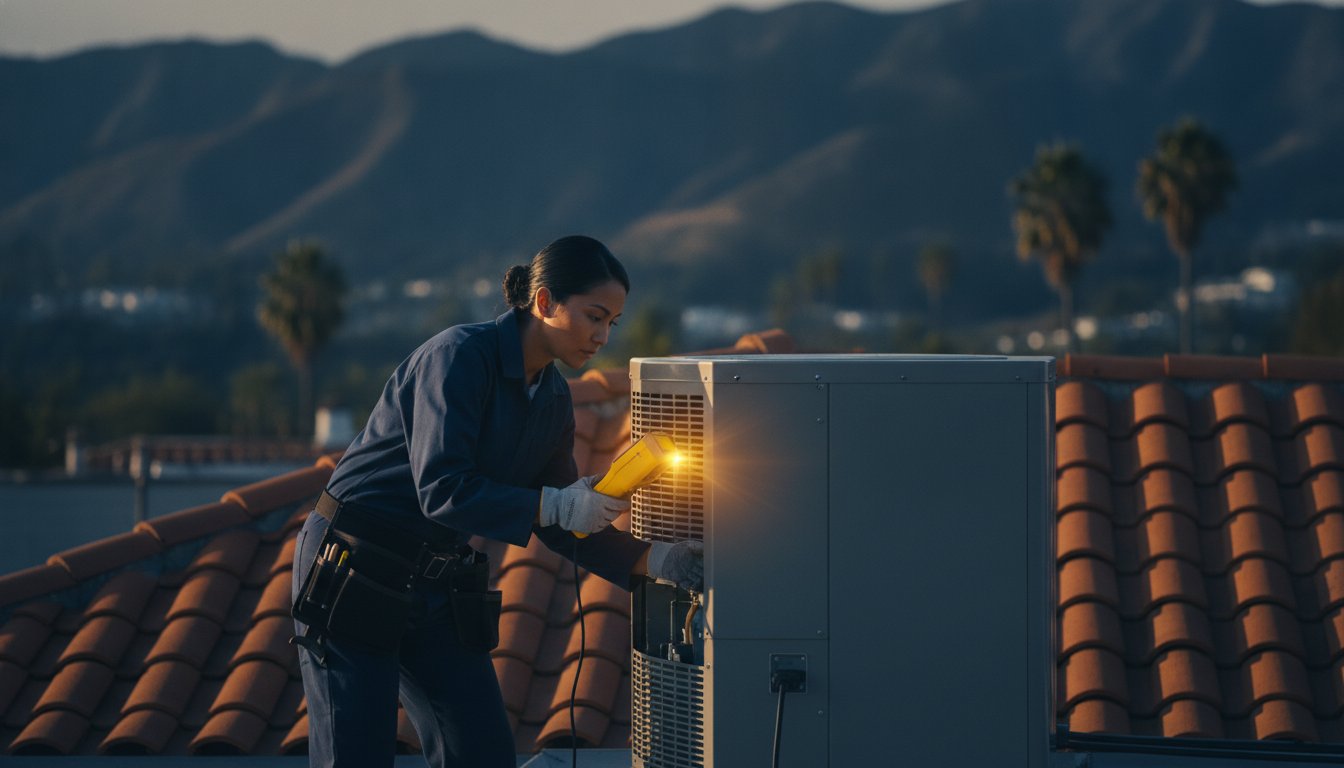
Once you have identified your neighborhood's needs and the correct sizing, the next step in choosing an air conditioner los angeles homeowners can trust is selecting the right hardware. Not every home is built to accommodate the same technology. If your property already has a robust network of ducts, a traditional central air conditioning installation remains a reliable and cost-effective choice. However, many Los Angeles properties, particularly those with flat roofs or limited attic space, may require a packaged unit. These systems house all components in one outdoor cabinet, saving valuable indoor square footage while providing powerful cooling.
When you're choosing an air conditioner los angeles residents often find that their home's structure limits their choices. It's not just about the cooling power; it's about how that air reaches your living room. Whether you are looking for a whole-home solution or a way to cool a single new addition, understanding the mechanical differences between these systems will help you make an informed investment.
Why Heat Pumps are Dominating the LA Market
We've seen a massive shift toward Heat Pump Services in recent years. Unlike traditional systems that create cool air, a heat pump simply moves heat from one place to another. In the summer, it pulls heat out of your home; in our mild winters, it reverses the process to provide efficient warmth. Because they don't rely on burning natural gas, they are incredibly efficient and environmentally friendly. Modern units are designed to handle the occasional chilly night with ease. Many homeowners are also taking advantage of local utility rebates and the GoZero program, which make this technology a financially savvy long-term choice.
Ductless Solutions for Zoned Comfort
If you are adding a sunroom, converting a garage, or living in a historic home without existing ductwork, Ductless Mini-Split Systems offer a flexible alternative. These systems allow you to control the temperature in individual rooms, which is perfect for eliminating "hot spots" in multi-story houses. You don't have to cool the entire house just to make one upstairs bedroom comfortable. These units are whisper-quiet and feature sleek indoor air handlers that blend into your decor. While the initial setup for multiple zones is a specific investment, the ability to turn off cooling in unused rooms often results in lower monthly utility bills.
Each technology has its place in the Los Angeles landscape. The right choice depends on your home’s existing infrastructure and how you use your living space throughout the year. A system that works for a modern open-plan build might not be the best fit for a 1920s bungalow. We focus on finding the specific match that provides the most comfort for your unique floor plan.
Beyond Temperature: IAQ and Smart Controls
Cooling your home isn't just about the number on the thermostat. In Los Angeles, the air outside is frequently filled with particulate matter, smog, and seasonal pollen that can easily find its way indoors. When choosing an air conditioner los angeles residents must consider how that system interacts with the air they breathe every day. A modern HVAC setup does more than lower the temperature; it acts as a comprehensive filtration plant for your entire living space. If you want a home that feels fresh and healthy, you have to look at the components that sit behind the vents.
Standard filters are designed to protect the equipment from large dust bunnies, but they do little for your lungs. If you live near a major freeway or in a pocket of the city prone to stagnant air, integrating high-MERV filters and dedicated air purifiers into your system is essential. We also recommend variable-speed technology for these setups. Unlike older units that are either fully on or fully off, variable-speed systems run at lower, more consistent levels. This provides whisper-quiet operation and superior humidity control, ensuring your home stays comfortable without the noisy blasts of air associated with older models.
Combating LA Dust and Smog
Your AC unit serves as your first line of defense against the city's unique pollution profile. By installing whole-home air scrubbers or UV lights inside your air handler, you can neutralize odors and microscopic contaminants before they ever circulate through your rooms. This is a game-changer for allergy sufferers, particularly in the San Fernando Valley where dust levels can be significantly higher. It’s a proactive way to ensure your indoor environment remains a true sanctuary from the hazy days outside. To see how these systems can transform your home, consider our Indoor Air Quality Solutions for a cleaner living environment.
Smart Technology for Modern Cooling
Smart thermostats have become a standard requirement for choosing an air conditioner los angeles homeowners can afford to run. These devices allow you to automate your savings by pre-cooling your home before Southern California Edison (SCE) or LADWP peak pricing hours begin. If you have a multi-story home, zoning systems are another vital tool. They allow you to direct cooling only to the rooms you are actually using, such as a home office during the day or bedrooms at night. You can even monitor your system and adjust settings from your phone, which helps prevent wasted energy when your plans change. Many of these smart systems also allow you to participate in local Demand Response programs, helping to stabilize the LA power grid during intense summer heatwaves.
The Professional Path: Installation and Local Expertise
Even the most advanced equipment fails if the installation is subpar. When choosing an air conditioner los angeles homeowners have to trust the technician as much as the machine itself. A successful Air Conditioning Installation requires a deep understanding of local building codes and the specific airflow needs of Southern California homes. If a system isn't balanced correctly, you won't see the efficiency gains you're paying for. Precision in the setup phase is what separates a system that lasts fifteen years from one that struggles after five.
Choosing the Right LA HVAC Partner
If you want a system that stands up to the local heat, look for a team with deep community roots. Check for valid licenses and neighborhood reviews that prove a history of reliability. A "cheap" installation often leads to frequent Air Conditioning Repair calls later. When choosing an air conditioner los angeles residents should prioritize a family-oriented business like Nice and Cool Inc. that values craftsmanship over quick sales. We view our clients as neighbors, which creates a level of accountability you won't find with large, distant corporations.
Your Installation Roadmap
We follow a methodical progression to ensure your new system is a perfect fit for your home’s unique footprint. We don't believe in guesswork or "rule of thumb" estimates that lead to oversized, clunky units.
- Step 1: The comprehensive home energy audit and load calculation. This ensures the tonnage is exactly right for your specific insulation and window orientation.
- Step 2: Custom system design and equipment selection. Whether you need Heat Pump Services or a traditional central unit, we tailor the hardware to your architecture.
- Step 3: Professional installation and performance testing. Our team handles every detail, testing the system under real-world loads to ensure it meets the highest performance standards.
Once your system is up and running, you'll want to protect that investment. Regular check-ups are the best way to prevent unexpected breakdowns during a July heatwave. The Nice and Cool Club Maintenance Plan provides peace of mind by keeping your equipment in peak condition year-round. This proactive approach helps maintain high efficiency and extends the lifespan of your unit, ensuring your home remains a sanctuary.
Schedule your free Los Angeles home cooling consultation with Nice and Cool Inc. today to ensure your home stays comfortable for years to come.
Ready for a Cooler, More Efficient Los Angeles Home?
Navigating the technical shift to SEER2 standards and new refrigerant mandates doesn't have to be a solo journey. Whether you are dealing with the intense sun of the Valley or the damp marine layer of the coast, choosing an air conditioner los angeles homeowners can rely on starts with matching the right technology to your neighborhood's specific demands. By focusing on precise sizing and modern indoor air quality solutions, you can transform your living space into a true sanctuary from the heat and smog.
As a family-owned and operated business since 2005, Nice and Cool Inc. has dedicated itself to mastering the nuances of Southern California cooling. We specialize in high-efficiency heat pumps and ductless mini-splits that provide whisper-quiet comfort while keeping your utility bills under control. Once your system is installed, our Nice and Cool Club Maintenance Plan ensures your investment stays protected for the long haul. We're here to provide the dependable, neighborly service your home deserves.
Take the first step toward lasting comfort and energy savings. Get a Professional AC Installation Quote for Your LA Home from Nice and Cool Inc. and let our local specialists tailor a cooling solution that fits your lifestyle perfectly. We look forward to helping you stay cool.
Frequently Asked Questions
How much does a new AC unit cost in Los Angeles in 2026?
The total cost of a new system depends on several factors, including the square footage of your home and the efficiency rating of the equipment. If your installation requires electrical upgrades or ductwork repairs to meet current California codes, these will influence the final investment. While high-efficiency units have a higher initial price, they often qualify for significant rebates that help offset the upfront cost for local homeowners.
Is a heat pump better than a central air conditioner for LA weather?
Heat pumps are often the best choice for our climate because they provide both high-efficiency cooling and reliable heating in a single system. Since Los Angeles winters are relatively mild, a heat pump doesn't have to work as hard as a traditional furnace, which saves energy year-round. If you're looking to transition to an all-electric home, a heat pump is the most future-proof solution available today.
How do I know what size AC my Los Angeles home needs?
You can find the perfect size for your home by having a professional perform a Manual J Load Calculation. This process goes beyond simple square footage to account for your home's insulation levels, window orientation, and ceiling height. Choosing an air conditioner los angeles families can rely on requires this level of precision to ensure the system doesn't short-cycle or leave your rooms feeling humid and uncomfortable.
Are there rebates available for energy-efficient AC installation in LA?
Yes, there are several major incentive programs available for 2026 installations, including substantial rebates from the LADWP for heat pump systems. Income-qualified residents can also access up to $8,000 through the HEEHRA program for energy-efficient upgrades. Additionally, the GoZero program offers incentives for zero-NOx emission heat pumps. These programs are designed to make high-performance cooling more affordable for homeowners throughout the South Coast AQMD area.
What is the best SEER2 rating for a home in the San Fernando Valley?
While the California minimum is 14.3 SEER2, we recommend a rating of 16 or higher for homes in the San Fernando Valley. Because the Valley faces more intense and prolonged heatwaves, a more efficient system will pay for itself much faster through lower monthly utility bills. If you want to balance your equipment costs with long-term energy savings, choosing a higher SEER2 rating is a smart move for hotter inland neighborhoods.
How long does a typical AC installation take in Los Angeles?
Most residential installations are completed within one to two days, depending on the complexity of the project. If we're performing a straightforward swap of an existing unit, the work is often finished in a single day. Whether you're installing a central system or a multi-zone setup, the timeline may be slightly longer if your home requires significant ductwork modifications or a new electrical sub-panel to meet safety standards.
Can I install a ductless mini-split in my historic LA bungalow?
Ductless mini-splits are an excellent choice for historic bungalows because they don't require the installation of bulky ductwork that could compromise your home's architectural integrity. These systems use small, unobtrusive refrigerant lines to connect indoor units to an outdoor condenser. If you have a classic home with limited attic space or high ceilings, a mini-split allows you to enjoy modern comfort while preserving the vintage character you love.
Why is my electric bill so high even with a new air conditioner?
High bills are often the result of poor home insulation or leaky ductwork that allows cool air to escape before it reaches your living spaces. Choosing an air conditioner los angeles requires looking at the whole home; if your windows are single-pane or your attic isn't properly sealed, your new unit will run constantly to compensate. We recommend a full system check to ensure your ductwork is airtight and your thermostat is properly calibrated.
Frequently Asked Questions
In the San Fernando Valley, the "dry heat" means your AC works extremely hard for long stretches. These homes require high-durability systems that won't fail during a week-long 100-degree stretch. Conversely, coastal homes deal with the "marine layer." This moisture-heavy air requires a system that prioritizes dehumidification to prevent that sticky, indoor feeling. If you're near the ocean, the salt air can also corrode outdoor condensers faster. We often recommend specialized coatings for outdoor units in these areas to extend their lifespan. Choosing an air conditioner los angeles families need depends entirely on which side of the Sepulveda Pass they call home.