Heating Repair in Los Angeles: The 2026 Homeowner’s Guide to Reliable Comfort
September 12, 2026 17 min read
What if the most expensive part of your winter isn't the holiday season, but a furnace that works twice as hard to produce half the warmth? When you're dealing with inconsistent room temperatures or a sudden spike in utility costs, finding reliable heating repair los angeles becomes your top priority. It's stressful to wonder if that strange rattling sound is a simple loose bolt or a sign of a more serious safety risk like a gas leak. You deserve a home that feels like a sanctuary, not a place where you have to wear three layers of sweaters just to stay comfortable indoors.
We understand that you want more than just a quick patch; you want peace of mind and an honest assessment of your system's health. Whether you're trying to coax a few more years out of an older unit or considering an upgrade to a high efficiency heat pump, this guide helps you make an informed decision. We'll explore how to identify common component failures, navigate the 2026 energy standards, and find a specialist who treats your home with the craftsmanship it deserves. By the end of this article, you'll know exactly how to restore your comfort and keep your energy bills under control for the long haul.
Key Takeaways
- Understand how unique Los Angeles environmental factors, such as coastal corrosion and seasonal dust, can stress your heating system's components.
- Learn to distinguish between minor thermostat issues and significant mechanical failures that require expert heating repair los angeles to restore your home's warmth.
- Use the "50% Rule" to determine whether it is more practical to repair your existing furnace or transition to a modern, energy-efficient heat pump.
- Discover why choosing a family-owned local specialist ensures you receive a tailored solution backed by long-standing community roots and honest service.
- Identify how regular preventative maintenance can lower your utility costs and eliminate the fear of unexpected system breakdowns during a cold snap.
Common Heating Problems Unique to Los Angeles Neighborhoods
Heating in Southern California is different than in the rest of the country. While homeowners in the Midwest prepare for months of sub-zero temperatures, Los Angeles residents deal with systems that sit idle for most of the year. This long period of inactivity followed by sudden, intense use during winter cold snaps creates a unique set of mechanical stressors. Understanding the basics of Heating, ventilation, and air conditioning (HVAC) helps explain why local environmental factors are often the primary cause of system failure. Whether you live near the Pacific or deep in the San Fernando Valley, your home's microclimate dictates exactly how your furnace or heat pump wears down over time.
The Impact of Seasonal Dust and Ash
Fire season in Los Angeles does more than just affect outdoor air quality; it introduces fine particulate matter into your home's mechanical systems. When ash and dust settle into furnace burners or heat exchangers, they act as an abrasive blanket that traps heat and restricts airflow. If your system is forced to pull air through a clogged filter or over a dirty coil, the blower motor must work twice as hard to maintain your thermostat's settings. This extra strain is a leading reason homeowners eventually require heating repair los angeles. Standard filters often fail during peak Santa Ana wind events because the sheer volume of airborne debris can saturate a new filter in a matter of days, leading to a total system shutdown if left unaddressed.
Neighborhood-Specific Heating Stressors
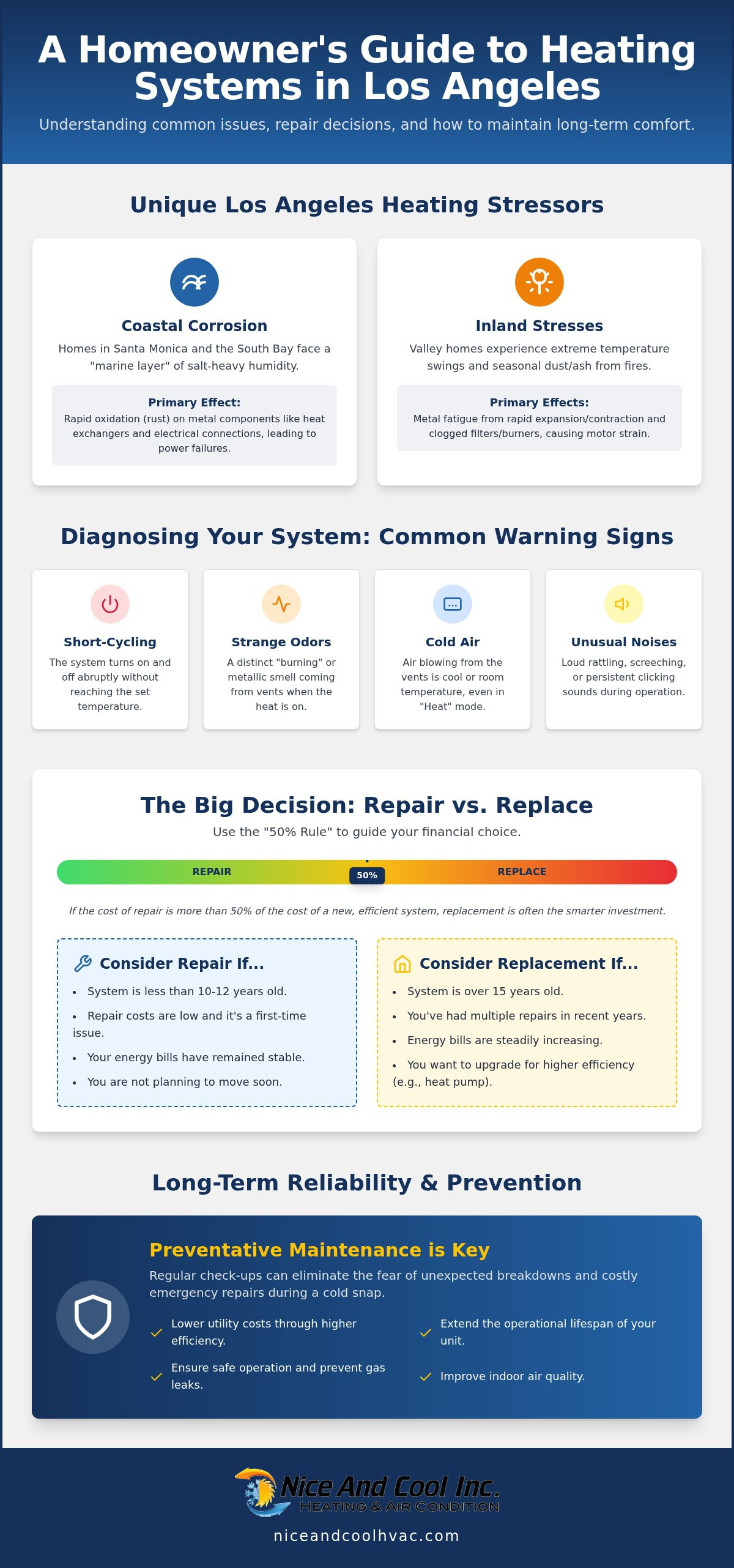
Coastal homes in neighborhoods like Santa Monica or the South Bay face a constant battle with the "marine layer." This salt-heavy humidity causes rapid oxidation of metal components, which leads to rusted heat exchangers and corroded electrical connections. If these connections degrade, your system may experience intermittent power failures or "short-cycling."
Valley homes face a different challenge: extreme temperature fluctuations. It's common for a 90-degree afternoon to drop into the low 50s after sunset. This rapid change forces your heating system to kick on suddenly and run at high capacity. Such aggressive cycling causes metal components to expand and contract rapidly, which eventually leads to metal fatigue and hairline fractures in older furnaces. Whether you're dealing with the damp air of the coast or the dry, dusty winds of the inland borders, these localized stressors make professional heating repair los angeles a necessity for maintaining a safe and efficient home.
Diagnosing Your System: Why Your LA Home Isn’t Staying Warm
When your home stays chilly despite the thermostat being set to 72, it's tempting to start guessing what's wrong. You might wonder if it's just a dead battery in the wall unit or a major mechanical failure. While some issues are simple, most furnace problems require a professional eye to ensure safety. Delaying a heating repair los angeles call can lead to more than just discomfort; it can result in cracked heat exchangers or dangerous gas leaks. Professional diagnostics prevent the "parts swapping" trap where homeowners spend hundreds on components they don't actually need.
Before calling for service, check for these primary symptoms of a failing system:
- The furnace runs for a few minutes and then abruptly shuts off.
- Strange odors, such as a metallic or "burning" smell, coming from the vents.
- Cold air blowing while the system is in "Heat" mode.
- Unusual noises like screeching, rattling, or clicking.
Airflow Imbalances and Clogged Filtration
A common culprit for a cold home is restricted airflow. If a filter is clogged with the dust and ash mentioned in the previous section, the blower motor must work double-time to pull air through the system. This leads to "short-cycling," where the system shuts down prematurely to prevent internal components from melting. If you've noticed similar issues during the summer, you might want to read our guide on Common AC Problems Los Angeles Homeowners Face, as many airflow principles remain the same. Keeping your ducts clear is essential for staying compliant with California's energy standards, which emphasize system efficiency and reduced energy waste.
Ignition Failures and Pilot Light Issues
Gas furnaces rely on a precise sequence of events to create heat safely. In many older Los Angeles homes, electronic ignition systems or thermocouples begin to fail after years of service. If you hear a loud banging or popping sound when the heat kicks on, it often indicates a delayed ignition. This happens when gas builds up in the burner assembly before finally catching a spark. It's a clear sign that your flame sensor or burner needs professional attention. Instead of guessing, it's often best to schedule a professional diagnostic to identify the root cause before a small fix becomes a full replacement. A trained eye can quickly determine whether you need a simple sensor cleaning or a more complex component repair.
The Repair vs. Replace Dilemma: Navigating LA’s Energy Standards
Deciding whether to keep investing in an old unit or start fresh is one of the toughest choices for any homeowner. It's not just about the immediate bill; it's about the long-term reliability of your home's comfort. When you're weighing your options for heating repair los angeles, we recommend using the "50% Rule" as a starting point. If the cost of a single repair exceeds half the value of the entire system, it's usually more practical to put those funds toward a modern, high-efficiency replacement. This approach prevents you from "throwing good money after bad" on a unit that's likely to break down again in the near future.
Age is another critical factor in this equation. Most residential systems have a lifespan of about 15 years. Once a furnace hits this milestone, the internal components have endured thousands of heating cycles and significant metal fatigue. While a quick fix might get the heat back on today, it won't address the underlying wear that leads to chronic inefficiency and higher utility bills.
When a Quick Fix Isn’t Enough
Some mechanical issues aren't negotiable. If a technician identifies a cracked heat exchanger, the system is no longer safe to operate due to the risk of carbon monoxide leaks. In these scenarios, replacement is the only responsible path forward. Additionally, the cost of obsolete parts for systems manufactured before 2010 has risen significantly. You might find yourself paying a premium for a specialized component that only buys you one more season. If you've had to call for heating repair los angeles more than twice in a single winter, your system is signaling that its primary components are reaching the end of their functional life.
The Shift Toward High-Efficiency Heat Pumps
Southern California is currently leading a major shift toward home electrification. Under the 2025 Building Energy Efficiency Standards, there's a strong emphasis on moving away from natural gas and toward electric heat pumps. These modern systems meet the latest SEER2 standards, which require a minimum of 15.2 for heat pumps to ensure maximum energy savings.
Many Los Angeles neighbors are choosing these units because they provide both high-efficiency cooling and powerful heating in a single, compact footprint. This dual-purpose design is perfect for our local climate where we need cooling for most of the year but still require reliable warmth during chilly winter nights. If you're interested in learning more about how these systems work in our local neighborhoods, take a look at our Heat Pump Installation in Los Angeles: The Complete 2026 Homeowner’s Guide. Transitioning to a heat pump doesn't just lower your carbon footprint; it's a strategic move to lower your utility costs for the next decade.
What to Expect During a Professional Heating Repair Visit
Inviting a technician into your home shouldn't be a source of stress. Whether you're dealing with a minor pilot light issue or a total system failure, knowing exactly what happens during a service call provides the peace of mind you deserve. As a family-owned and operated business established in 2005, we believe in treating every customer like a neighbor. When you schedule a heating repair los angeles, you're not just getting a technician; you're getting a specialist who takes pride in local craftsmanship and a reputation built over two decades. A true professional doesn't rush through the job. They take the time to explain their findings so you feel cared for and understood throughout the process.
The Multi-Point Diagnostic Process
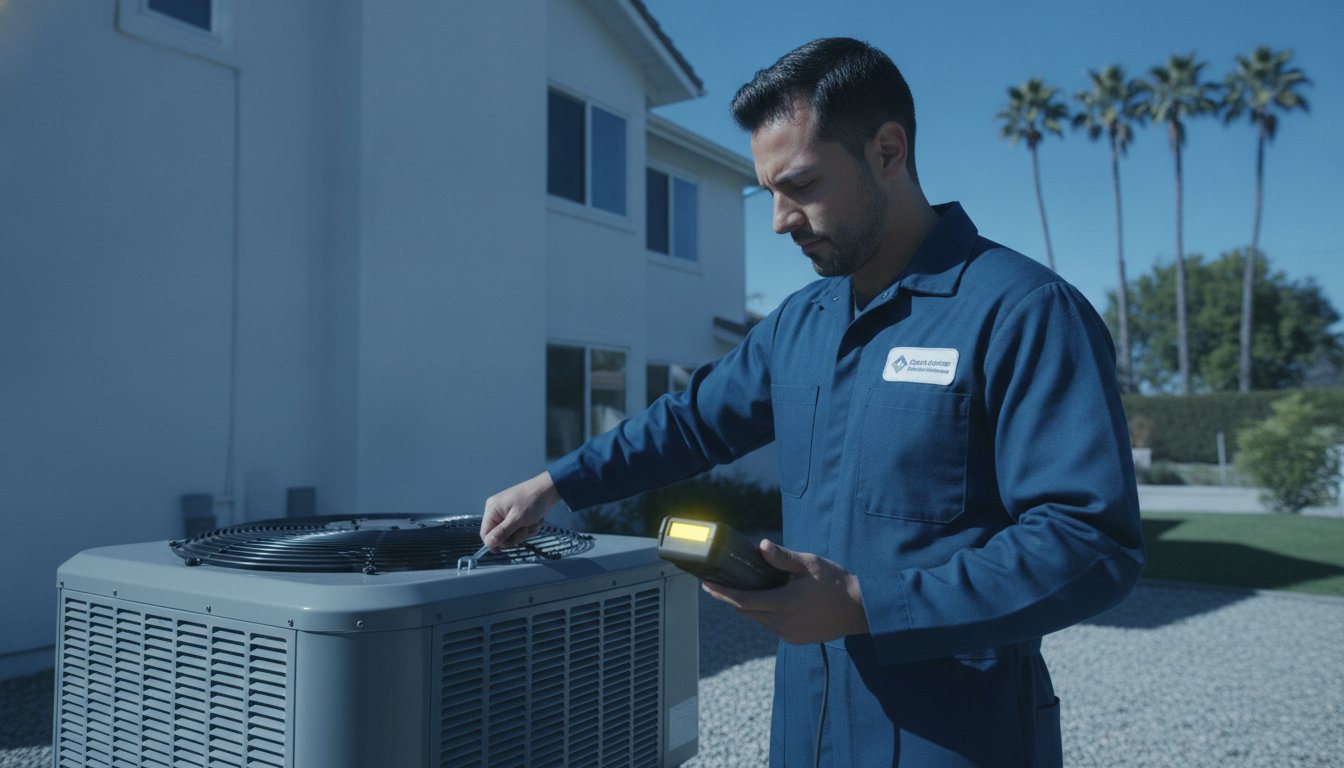
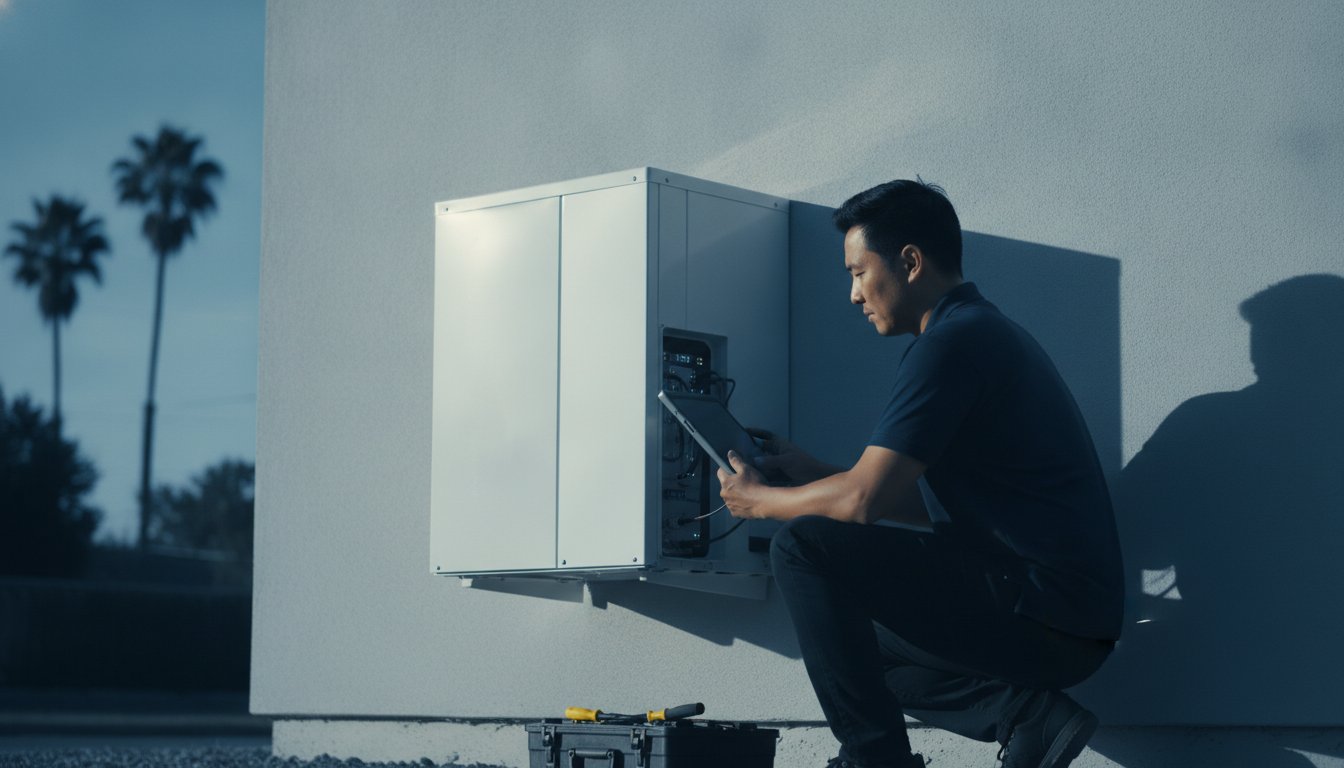
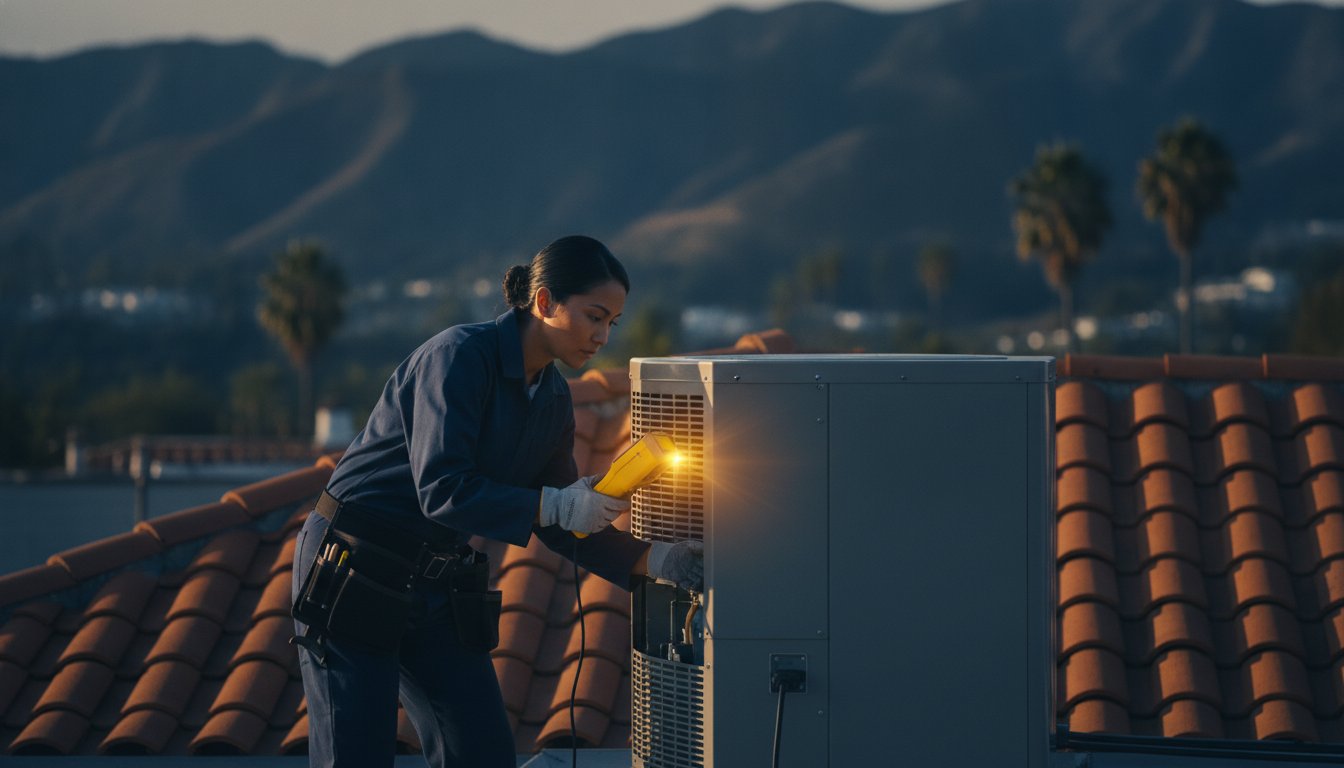
A professional diagnostic is methodical and logical. It starts with testing the communication between your thermostat and the control board to rule out simple electrical glitches. Next, the technician performs a deep dive into the unit’s core. This includes inspecting gas pressure levels, tightening electrical connections, and checking the integrity of the heat exchanger. This safety-first approach ensures there are no hidden risks like carbon monoxide leaks or fire hazards from old wiring. Finally, we evaluate your ductwork integrity. If the heat is being generated but isn't reaching every room, the issue often lies in leaky or poorly fitted ducts rather than the furnace itself. This tailored approach ensures we solve the root cause, not just the symptom.
Transparency in Pricing and Timelines
Honesty is the foundation of our work ethic. We utilize flat-rate pricing rather than hourly rates because it protects you from unexpected costs if a repair takes longer than anticipated. You’ll receive a clear, upfront assessment before any work begins. To build further trust, our technicians often document their findings with photos or video. This allows you to see exactly what's happening inside your system without having to climb into an attic or crawlspace yourself. Whether it’s a simple sensor cleaning or a complex motor replacement, every job comes with a written guarantee on parts and labor. This systematic attention to detail is what separates a one-time service provider from a long-term partner in your home's comfort. If you’re ready to restore your home's warmth with a team you can trust, schedule your heating repair service today.
Long-Term Reliability: Preventing Heating Failures in LA
The most expensive heating repair los angeles homeowners face is often the one that could have been avoided with a simple afternoon tune-up. While it's easy to forget about your furnace during a warm October, waiting for the first frost to test your system is a gamble. Most emergency calls happen during the first major cold snap of the year when systems are pushed to their limit after months of sitting idle. By shifting your focus from reactive repairs to proactive care, you don't just avoid the stress of a cold house; you protect your wallet from the high costs of emergency parts and labor.
Regular maintenance is about more than just checking boxes. It's a methodical safety check that ensures your home remains a sanctuary. If you schedule a professional inspection every autumn, then you're significantly less likely to encounter the ignition failures or airflow blockages discussed earlier in this guide. This steady, deliberate approach to home care is the foundation of long-term comfort.
The Role of the Nice and Cool Club Maintenance Plan
We designed the Nice and Cool Club Maintenance Plan to provide our neighbors with ultimate peace of mind. Members receive priority service, which is a vital advantage when Los Angeles experiences those rare but intense winter storms. During your annual inspection, our specialists perform deep-cleaning tasks and safety checks that catch small hairline cracks in heat exchangers before they become life-threatening hazards. Industry data suggests that consistent professional care can extend the functional lifespan of your heating system by up to 30%. This plan isn't just a service; it's a commitment to the craftsmanship and dependability we've stood by since 2005.
Improving IAQ Alongside Heating Repairs
Indoor air quality (IAQ) is inextricably linked to your heating system's performance. As we noted in our discussion of Santa Ana winds and fire seasons, Los Angeles air often carries heavy loads of fine dust and ash. If your heating system is dirty, it's effectively circulating those particulates through every room in your house. Upgrading to advanced filtration during a routine check is one of the best ways to protect family members who struggle with allergies or asthma. For a deeper look at specific furnace components and how to keep them running cleanly, explore our companion piece on Furnace Repair in Los Angeles: The 2026 Homeowner’s Guide to Reliable Heating. Taking these steps ensures that the air you breathe is just as comfortable as the temperature in the room.
Secure Your Home’s Comfort for the Seasons Ahead
Maintaining a comfortable home in Southern California requires more than just a functional thermostat. It's about understanding how our local environment, from coastal humidity to Valley dust, impacts your system's longevity. By using the 50% rule for repair decisions and staying proactive with a dedicated maintenance plan, you can avoid the stress of sudden failures. Whether you need a precise diagnosis or are ready to transition to a high-efficiency heat pump, choosing a partner with deep community roots makes all the difference.
Nice and Cool Inc. has been family-owned and operated since 2005. As specialized residential HVAC experts serving all of Los Angeles County, we take immense pride in our craftsmanship and our reputation for honesty. If your system is struggling to keep up with the chill, then it's time to find a solution tailored to your specific neighborhood. You can schedule your professional heating repair with Nice and Cool Inc. today to restore your peace of mind. We're here to ensure your home remains the warm, inviting sanctuary you deserve all winter long.
Frequently Asked Questions
How much does heating repair cost in Los Angeles?
Heating repair costs in Southern California typically vary based on the specific component that has failed. While many homeowners find that common repairs fall within a range of $200 to $600, more complex issues involving gas lines or heat exchangers can reach up to $1,500. Most local contractors also charge a diagnostic fee between $75 and $150. These rates reflect the specialized labor and parts required to meet current California safety standards.
Why is my furnace blowing cold air even when the heat is on?
Cold air often results from a safety feature triggered within the system. If the furnace overheats due to a clogged filter, the burners shut off while the blower continues to run to cool the unit down. Other possibilities include a failed ignition sensor or a pilot light that has gone out. Whether it's a mechanical failure or a simple thermostat setting, a professional diagnostic is the most reliable way to identify the root cause quickly.
Is it worth repairing a 20-year-old furnace in LA?
Repairing a 20-year-old unit is rarely the most cost-effective choice for a homeowner. Most residential systems have a design life of 15 years; once they pass this mark, parts become obsolete and energy efficiency drops significantly. If the repair cost exceeds half the value of a new system, then investing in a modern heat pump is a smarter long-term move. Newer units also help you stay compliant with the latest 2026 energy efficiency standards.
Can I perform my own heating repairs to save money?
Homeowners can handle basic tasks like changing air filters or checking thermostat batteries, but mechanical repairs should be left to licensed professionals. Working on gas lines or electrical components carries high risks of fire, gas leaks, or carbon monoxide exposure. Additionally, California law requires a C-20 license for most HVAC work. Attempting DIY repairs on complex internal parts can also void your manufacturer’s warranty and lead to much more expensive fixes later.
What is the most common reason for heater failure in the San Fernando Valley?
The extreme temperature swings in the San Fernando Valley are the leading cause of system stress. Rapidly shifting from hot afternoons to chilly nights causes metal components to expand and contract aggressively. This cycle eventually leads to cracked heat exchangers and ignition failures. When combined with the fine dust common in the Valley, these environmental factors make regular heating repair los angeles a standard part of home maintenance for residents in this region.
How long does a typical heating repair appointment take?
Most standard repair appointments are completed within one to three hours. This timeframe includes a thorough multi-point diagnostic, the actual repair work, and a final safety check to ensure everything is operating correctly. If a specialized part needs to be ordered from a manufacturer, the process might take longer. A professional technician will always provide a clear timeline after the initial inspection so you know exactly when your comfort will be restored.
Do I need to repair my heater if I only use it a few weeks a year?
Even if you only use your heater during the coldest weeks in Los Angeles, leaving a system in disrepair is a safety hazard. Dust and debris can settle in the burners during the off-season, which creates a fire risk when you finally turn it on. Small issues like frayed wires or minor gas leaks don't fix themselves over time. Ensuring your system is safe and efficient provides peace of mind regardless of how often it's used.
What are the signs of a cracked heat exchanger?
A cracked heat exchanger is a serious safety concern that requires immediate attention. Common signs include a strong, lingering smell of formaldehyde, excessive soot buildup inside the furnace, or a yellow, flickering burner flame instead of a steady blue one. If you notice these symptoms or your carbon monoxide detector sounds, then you should shut off the gas and call for heating repair los angeles immediately. This component is essential for keeping combustion gases out of your indoor air.
Frequently Asked Questions
Heating repair costs in Southern California typically vary based on the specific component that has failed. While many homeowners find that common repairs fall within a range of $200 to $600, more complex issues involving gas lines or heat exchangers can reach up to $1,500. Most local contractors also charge a diagnostic fee between $75 and $150. These rates reflect the specialized labor and parts required to meet current California safety standards.