Cost of New AC Unit in Los Angeles: 2026 Homeowner’s Pricing Guide
August 18, 2026 18 min read
Imagine it's a July afternoon in the San Fernando Valley and your aging air conditioner finally gives up just as the mercury hits triple digits. When you start calling for help, you're often met with a sea of conflicting quotes and technical talk about SEER2 mandates that didn't exist just a few years ago. Finding the actual cost of new ac unit los angeles residents should expect in 2026 feels more complicated than it needs to be.
It's stressful to feel like you're guessing at a major home investment while worrying about LA's rising electricity rates. Whether you need a standard central system or a modern heat pump, you deserve a clear path to lasting comfort without any high-pressure sales tactics. This guide provides an honest look at the factors driving local pricing, from the latest Title 24 energy standards to the transition toward eco-friendly refrigerants. We'll walk you through budget tiers and efficiency levels that actually lower your monthly bills. By the end, you'll know how to choose a reliable system tailored to your home that won't fail when the next heatwave arrives.
Key Takeaways
- Learn about the specific factors that influence the cost of new ac unit los angeles residents pay, from equipment tiers to local labor standards.
- Understand how 2026 SEER2 efficiency mandates and new refrigerant changes impact your initial budget and future monthly savings.
- Compare traditional central air with modern heat pump services to determine which system offers the best long-term value for your family.
- Identify "hidden" but necessary expenses like City of Los Angeles permits, HERS testing, and Title 24 energy compliance.
- Discover how to maximize your return on investment by utilizing available utility rebates from LADWP and SCE.
Understanding the Investment: What Goes into a New AC in Los Angeles?
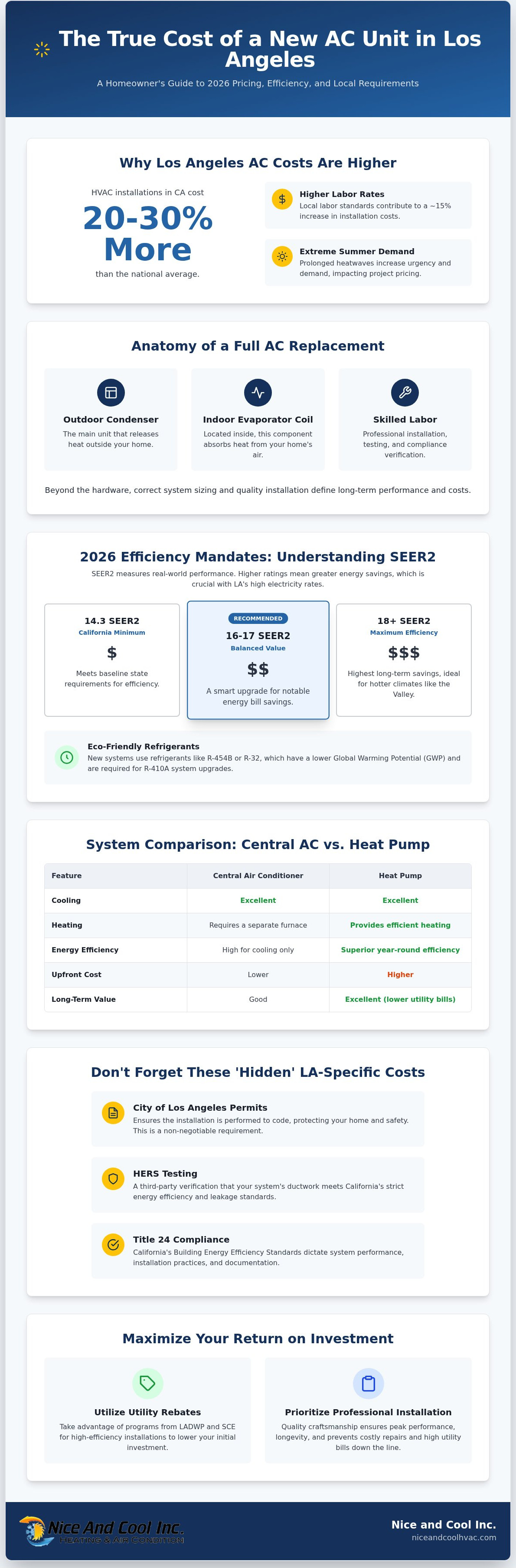
Replacing an air conditioner in Southern California is a significant home improvement project that involves more than just swapping out a metal box. A standard full replacement typically includes three core elements: the outdoor condenser unit, the indoor evaporator coil, and the skilled labor required to integrate them into your home's existing infrastructure. While homeowners often focus on the hardware, the Seasonal Energy Efficiency Ratio (SEER) of the new system and the quality of the installation are what truly define your long-term comfort.
The cost of new ac unit los angeles residents face is generally higher than national averages. Research indicates that HVAC installations in California often cost 20% to 30% more than the rest of the country. This is due to local labor rates being approximately 15% higher and the extreme demand during our prolonged summer heatwaves. Beyond the initial purchase, it's helpful to view this as a "Total Cost of Ownership" investment. A cheaper, poorly installed unit might save money today, but it will likely cost more in repairs and high utility bills over the next decade.
Why 'Sticker Price' is Only the Beginning
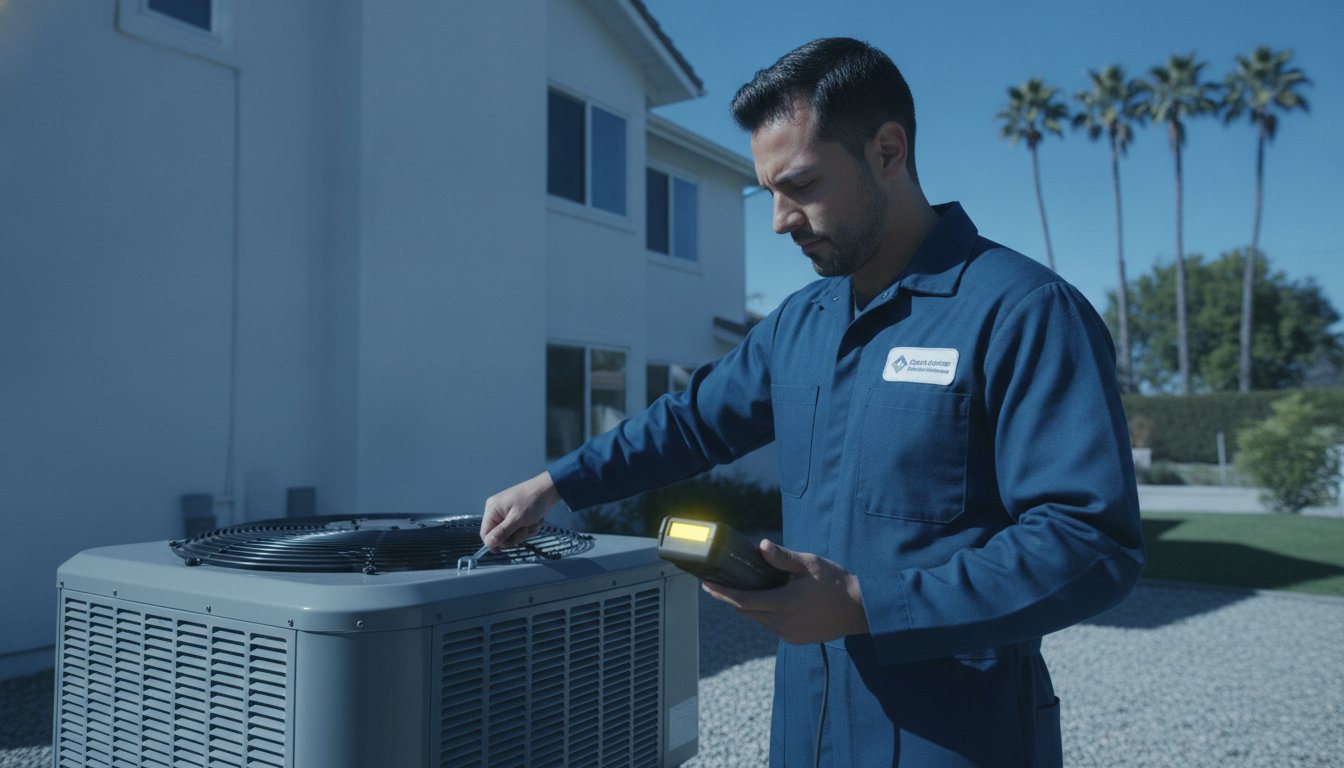
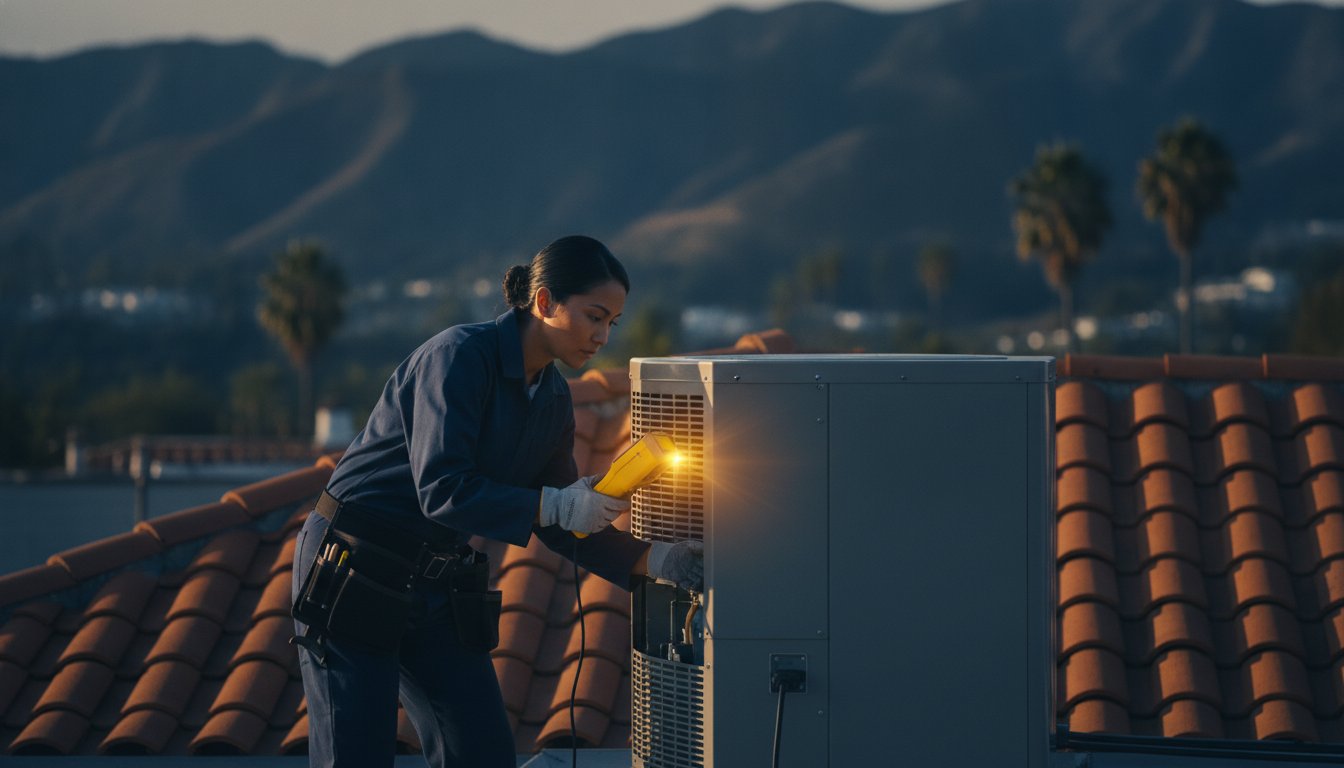
If you look up AC units online, you might see prices that seem surprisingly low. However, these figures don't account for a professional, turnkey installation that meets strict California building codes. Whether your system is located in a tight crawlspace, a hot attic, or on a steep rooftop, the physical accessibility of the equipment significantly shifts the labor budget. We focus on craftsmanship, ensuring every connection is secure and every component is positioned for peak performance.
Professional sizing is another critical factor. If a contractor simply replaces your old unit with the same size without performing a load calculation, you might end up paying for capacity you don't need. Conversely, an undersized unit will run constantly, leading to premature failure and frustratingly high electricity costs. Tailoring the system to your home's specific footprint is the only way to guarantee reliability.
The Role of Home Sizing and Tonnage
In the HVAC world, "tons" refers to the cooling capacity of the unit rather than its physical weight. One ton of air conditioning can remove 12,000 BTUs of heat per hour. The size of your home dictates the baseline hardware price, but Los Angeles homeowners must also consider our unique micro-climates. If you live in the breezy coastal areas, your cooling needs differ greatly from someone living in the intense heat of the San Fernando Valley.
Jumping from a 3-ton to a 5-ton system involves a price increase for the hardware itself, and it often requires larger ductwork to handle the increased airflow. Choosing a specialist who understands these local nuances ensures your system is fitted to your specific neighborhood and home layout. We take pride in being a family-owned business that treats every installation with the care it deserves, providing peace of mind for years to come.
Key Efficiency Standards: How SEER2 Affects Your Budget in 2026
The landscape for cooling systems changed significantly with the 2023 rollout of SEER2, and as we move through 2026, these standards are the baseline for every local installation. When calculating the cost of new ac unit los angeles homeowners face, it's vital to account for the efficiency tier you choose. California currently mandates a minimum of 14.3 SEER2 for split-system air conditioners under 45,000 BTU. While this ensures a baseline of efficiency, many residents opt for 18 SEER2 or higher to combat Southern California's notoriously high electricity rates. These high-efficiency models carry a higher initial price, but they often represent the best long-term value for homes in the hotter Valley neighborhoods.
Much of this is driven by California's Building Energy Efficiency Standards (Title 24), which were updated again in early 2026. These regulations don't just dictate how well a unit performs; they also mandate the use of newer, eco-friendly refrigerants like R-454B and R-32. If you are replacing an older R-410A system, the transition to these modern standards is a required part of the upgrade. These new refrigerants have a lower Global Warming Potential, but they also require specific equipment designs that can influence the hardware budget.
SEER vs. SEER2: What Homeowners Need to Know
The transition from SEER to SEER2 isn't just a name change. It's a fundamental shift in how performance is measured under real-world conditions. The newer testing protocols use higher static pressure to better reflect how an AC unit actually works when connected to your home's ductwork. Because of these stricter rules, older units that were legal just a few years ago can no longer be sold or installed in Los Angeles. SEER2 is the industry's new benchmark for real-world performance, providing a more accurate estimate of your future energy consumption.
Calculating Long-Term Energy Savings
If you choose a 14.3 SEER2 unit, you're meeting the legal minimum. However, if you step up to a 20 SEER2 system with a variable-speed compressor, the difference in your monthly LADWP or SCE bill can be substantial. Unlike basic units that are either "all on" or "all off," variable-speed technology adjusts its output in tiny increments. This allows the system to maintain a steady temperature even when it's 100 degrees in Chatsworth or Northridge, using only the exact amount of power needed.
The "break-even" point for a high-efficiency system usually occurs within five to seven years through energy savings alone. When you factor in the enhanced indoor comfort and reduced wear on the equipment, the choice becomes even clearer. If you're ready to see which efficiency level fits your home's unique footprint, our team can help you navigate these Air Conditioning Installation options with ease.
Central AC vs. Heat Pumps: Comparing Costs and Benefits
When evaluating the cost of new ac unit los angeles residents often find that the choice between a traditional split system and a modern heat pump is the most significant decision they'll make. A traditional air conditioner is designed solely for cooling, meaning it must be paired with a gas furnace to keep your home warm during the winter. In contrast, a heat pump is a dual-purpose system that handles both cooling and heating. While the hardware for a heat pump can sometimes carry a higher upfront price tag than a standalone AC, it replaces the need for two separate pieces of equipment, which often simplifies the overall installation budget.
The Rise of Heat Pumps in Southern California
Los Angeles is an ideal environment for this technology because our winters rarely drop to extreme temperatures. Because of this, heat pump installation has become the new standard for homeowners looking to electrify their property. Heat pumps move heat rather than creating it, which makes them incredibly efficient for Los Angeles winters. This shift toward electric heating is supported by California's Title 24 Building Energy Efficiency Standards, which encourage high-efficiency electric appliances in both new builds and major renovations. If you're planning to stay in your home for the next decade, the long-term energy savings of an all-electric system often outweigh the initial investment.
Ductless Mini-Splits: Pricing for Zoned Comfort
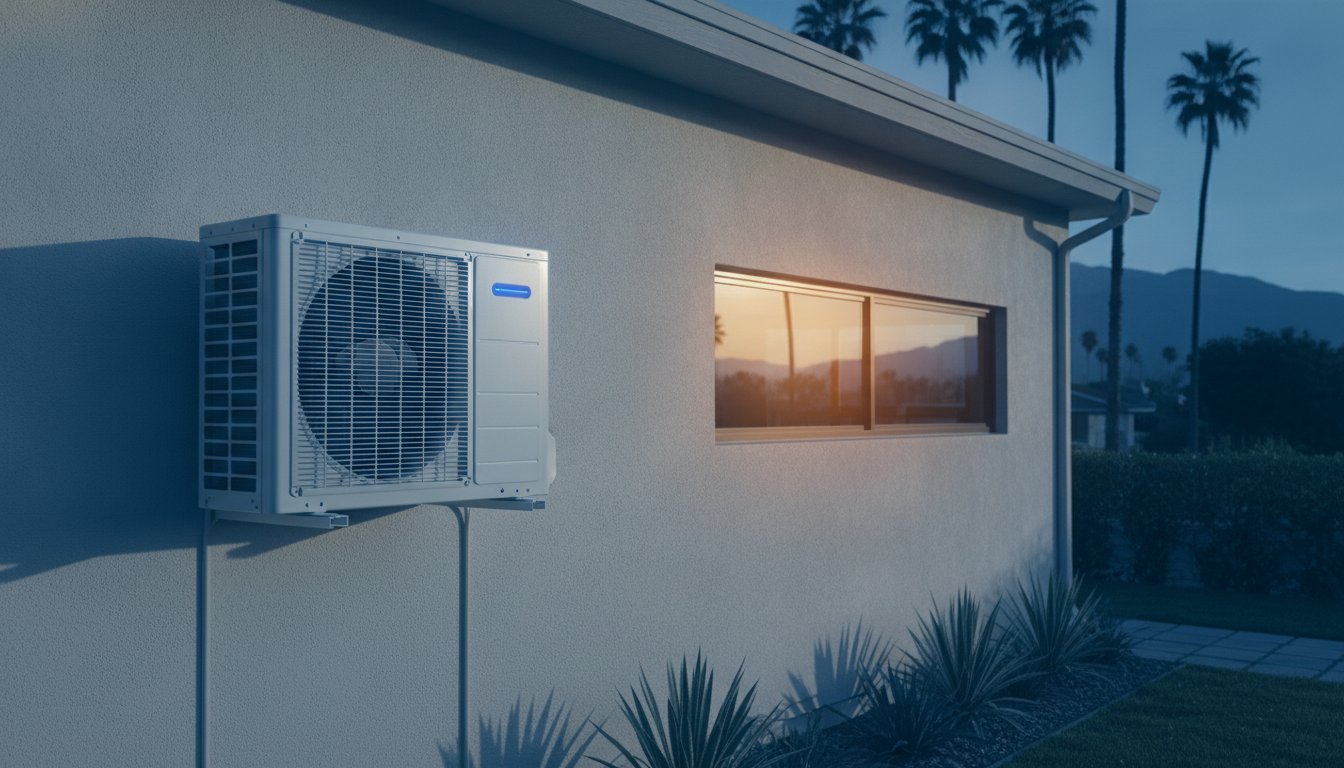
If your home lacks existing ductwork or you've recently added an Accessory Dwelling Unit (ADU), a central system might not be the most economical path. In these scenarios, Ductless Mini-Split Systems offer a flexible and often more affordable alternative. Instead of cooling the entire house at once, these systems allow you to create "zones" where you only pay to cool the rooms you're currently using. This is a popular choice for garage conversions or older homes where tearing into the ceiling to install ducts would be prohibitively expensive.
The cost of new ac unit los angeles homeowners pay for a mini-split depends largely on how many "heads" or indoor units you need. A single-zone system for a bedroom or home office is a relatively straightforward project, while a whole-home multi-zone setup requires more complex refrigerant piping. We often recommend these systems for their precision and whisper-quiet operation, providing a bespoke comfort level that traditional central air simply can't match. Whether you choose central air or a ductless solution, our focus remains on providing a dependable system that fits your lifestyle perfectly.
The 'Hidden' LA Costs: Permits, Title 24, and Infrastructure
The total cost of new ac unit los angeles homeowners plan for often includes several regulatory and infrastructure requirements that don't appear on a standard price tag. In California, an HVAC installation isn't just a mechanical swap; it's a permitted construction project that must meet strict environmental and safety codes. If you ignore these elements, you may face significant financial headaches down the road, especially when it's time to sell your property or file an insurance claim.
Building Permits and HERS Testing
If you are replacing an HVAC system in the City of Los Angeles, obtaining a building permit is a legal requirement. These permits typically range from $250 to $1,000 depending on the specific scope of the work. Along with the permit, California law requires HERS (Home Energy Rating System) testing. This involves an independent third-party verification to ensure your new system is actually performing as efficiently as the manufacturer claims and that the installation meets the 2025 update to Title 24 that took effect on January 1, 2026.
The most critical part of HERS testing is the duct leakage evaluation. If your ducts leak more than a specific percentage of air, they must be sealed or repaired to pass the final city inspection. While some contractors might suggest skipping the permit to lower the initial quote, this can lead to massive fines from the city and complications during home resale. We take pride in being a reliable local specialist that handles the administrative burden of compliance for you, ensuring every project is fully legal and up to code.
Ductwork and Electrical Readiness
Whether you're moving to a high-efficiency central AC or a modern heat pump, your home's existing infrastructure must be ready for the new load. Older Los Angeles homes often have electrical panels that provide 100 amps of service or less. Modern systems, particularly those with high-efficiency variable-speed compressors, may require a dedicated circuit or even a full panel upgrade. Industry data suggests an electrical panel upgrade can cost between $3,500 and $7,500, which is a vital factor to discuss during your initial consultation.
Your ductwork also plays a deciding role in the final performance of your system. Your AC system is only as good as the ducts carrying the air. If your existing ducts are undersized, crushed, or "leaky," you could be wasting up to 30% of your new unit's cooling power before it ever reaches your living room. Ductwork repairs or partial replacements typically add $800 to $3,500 to a project. If you're concerned about whether your home's infrastructure is ready for an upgrade, we recommend scheduling a professional assessment for Air Conditioning Installation to identify these needs before the summer heat arrives.
Maximizing Your ROI: Rebates and Professional Installation
While the initial cost of new ac unit los angeles homeowners encounter can feel substantial, there are several ways to offset that investment through local incentives and smart long-term planning. In 2026, the focus has shifted heavily toward high-efficiency systems that not only lower your monthly utility bills but also qualify for significant financial kickbacks. By choosing the right equipment and a qualified installer, you can turn a necessary home upgrade into a strategic financial move that adds value to your property.
Navigating Local and Federal Incentives
If you want to reduce your net expenses, then checking the latest utility programs is the first step. For residents served by LADWP, the Consumer Rebate Program offers some of the most aggressive incentives in the country. Qualifying central ducted heat pumps can receive between $1,000 and $1,250 per ton. If you opt for a ductless mini-split or multi-split system, those rebates can climb even higher, reaching between $1,500 and $2,500 per ton. Even for standard central air conditioning that isn't a heat pump, you can still secure rebates of $100 to $120 per ton if the unit meets specific SEER2 efficiency thresholds.
Southern California Edison (SCE) also provides various programs for energy-efficient upgrades. Whether you're looking at a full system replacement or adding a smart thermostat, these programs are designed to reward homeowners who help reduce the strain on our local power grid. It's helpful to know that as of 2026, the federal Energy Efficient Home Improvement Credit (Section 25C) has expired. This makes local utility rebates even more vital for balancing your budget. Because these programs often require specific AHRI certificates and proof of professional ac installation los angeles ca, working with an expert who understands the paperwork is essential.
Choosing a Reliable Local Specialist
Once your new system is in place, protecting that investment is a matter of routine care. We created the Nice and Cool Club Maintenance Plan to provide homeowners with peace of mind through regular inspections and tuning. This proactive approach prevents small issues from turning into costly repairs during a Valley heatwave. For those seeking similar high-quality service in other regions, such as the Houston metropolitan area, HomeFix offers professional appliance repair to keep your entire home functioning efficiently. Whether you are just starting to budget or you're ready to select a high-efficiency system, choosing a partner who values honesty and quality will ensure your home stays comfortable for years to come.
Navigating the cost of new ac unit los angeles residents encounter doesn't have to be a source of stress. By focusing on modern SEER2 efficiency and taking advantage of local utility rebates, you can turn a major home upgrade into a smart investment. Whether you choose a high-performance central system or an all-electric heat pump, the key is professional sizing and strict Title 24 compliance. These steps ensure your system operates at peak performance while keeping your monthly energy bills as low as possible.
Nice and Cool Inc. has been a family-owned and operated specialist in LA County since 2005. We bring a high level of craftsmanship and dependability to every installation, ensuring your new equipment is tailored specifically to your home's needs. We're ready to act as your helpful guide through the quote and installation process. Get a Transparent, Professional Quote from Nice and Cool Inc. Today to start your journey toward a more reliable and efficient home. You deserve peace of mind and a cool house, no matter how high the temperatures climb in the Valley.
Frequently Asked Questions
What is the average cost of a new AC unit in Los Angeles for 2026?
While the cost of new ac unit los angeles homeowners pay varies based on home size and equipment choice, local projects typically fall into several budget tiers. These tiers are influenced by Los Angeles labor rates and the high demand for cooling during summer heatwaves. Factors such as site accessibility, equipment tonnage, and whether you choose a standard split system or a high-efficiency heat pump will dictate your final investment level for a professional, code-compliant installation.
Does LADWP offer rebates for new air conditioning installations?
Yes, LADWP offers substantial incentives through their Consumer Rebate Program to encourage energy efficiency. Qualifying central ducted heat pumps can earn you between $1,000 and $1,250 per ton. If you choose a ductless mini-split system, those rebates can reach up to $2,500 per ton. Even standard central air units qualify for smaller rebates of $100 to $120 per ton if they meet the 15.2 SEER2 threshold or higher. It's a great way to save.
Is it better to repair my old AC or replace it with a new SEER2 unit?
If your current unit is more than ten years old or requires a repair that exceeds half its value, then replacing it is usually the smarter financial move. Older systems often use phased-out refrigerants and operate at much lower efficiency levels. A new SEER2 compliant system provides immediate reliability and protects you from the rising costs of electricity during the intense summer heatwaves common in the Valley. It's a proactive step for your comfort.
How long does a professional AC installation take in a typical LA home?
A professional installation usually takes between one and three days to complete. A simple equipment swap might be finished in a single day, but projects involving ductwork repair or electrical panel upgrades require more time. We prioritize a methodical pace to ensure every connection is secure and the system is properly charged. This attention to detail prevents future failures and ensures your system meets local building codes. It's the best way to guarantee long-term reliability.
Do I really need a permit for an AC replacement in Los Angeles County?
Yes, a building permit is legally required for almost all HVAC replacements in Los Angeles County. These permits typically range from $250 to $1,000 depending on your project scope. This ensures that your installation complies with California's Title 24 standards. Skipping this step can lead to complications during home resale. A permitted job also includes mandatory HERS testing to verify the cost of new ac unit los angeles homeowners pay results in actual efficiency.
What is the difference between a traditional AC and a heat pump for LA weather?
A traditional air conditioner only provides cooling and must be paired with a separate furnace for heat. A heat pump is a dual-purpose system that handles both tasks by moving heat rather than creating it. Because Los Angeles has mild winters, heat pumps are an exceptionally efficient choice for our climate. They offer an all-electric solution that aligns with California's push toward home electrification and higher efficiency standards. It's a modern approach to comfort.
Can I install a new AC unit myself to save on labor costs?
You shouldn't attempt to install a new air conditioner yourself. Proper installation requires specialized tools, electrical expertise, and an EPA certification to handle chemical refrigerants safely. Most manufacturers also refuse to honor warranties unless the system is installed by a licensed professional. Attempting a DIY project can lead to dangerous electrical errors, refrigerant leaks, and a system that fails to pass mandatory city inspections. It's simply not worth the risk to your home or safety.
How much can I save on my electric bill with a high-efficiency 18 SEER2 unit?
Upgrading to an 18 SEER2 unit can lead to a substantial reduction in your monthly electric bill compared to older 10 or 12 SEER models. These high-efficiency systems often utilize variable-speed compressors that adjust their power consumption to match the exact cooling needs of your home. This prevents the wasteful cycling seen in basic units. Many homeowners find that the energy savings allow the unit to pay for itself within five to seven years of operation.
Frequently Asked Questions
While the cost of new ac unit los angeles homeowners pay varies based on home size and equipment choice, local projects typically fall into several budget tiers. These tiers are influenced by Los Angeles labor rates and the high demand for cooling during summer heatwaves. Factors such as site accessibility, equipment tonnage, and whether you choose a standard split system or a high-efficiency heat pump will dictate your final investment level for a professional, code-compliant installation.