Heat Pump vs. Air Conditioner: Which is Best for Your Los Angeles Home?
August 29, 2026 17 min read
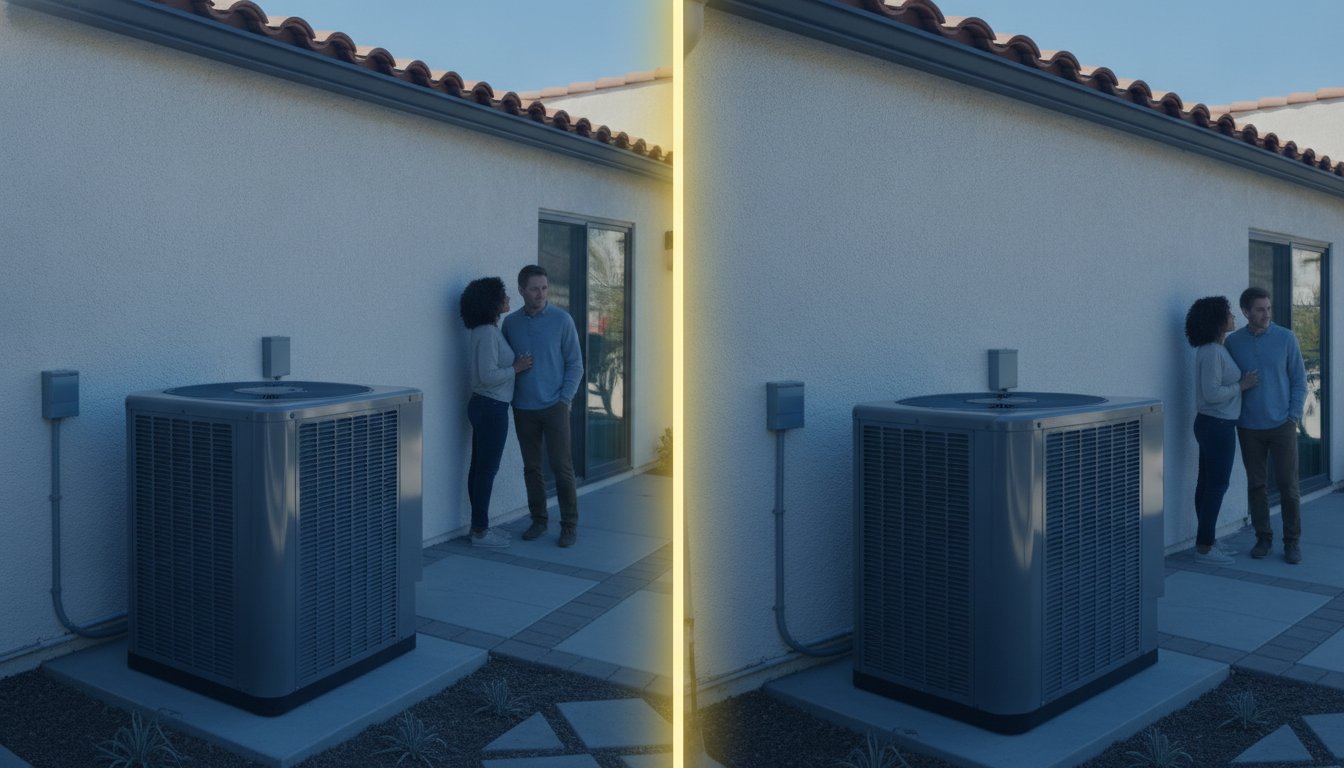
If you're still thinking of a heat pump as a secondary option for mild weather, you might be overlooking the most effective way to slash your SCE or LADWP bill in 2026. When weighing a heat pump vs air conditioner los angeles homeowners often feel caught between traditional reliability and the push for modern electrification. You've likely watched your summer cooling costs climb while struggling with uneven temperatures in an older home. It's a common frustration, especially with California's changing mandates making the choice feel more complicated than it needs to be.
Whether you're replacing a failing furnace or upgrading for better efficiency, we want to help you make an informed decision. This guide breaks down the practical differences between these systems, including current LADWP rebate opportunities and the latest refrigerant standards. You'll learn how a tailored installation can provide both heating and cooling more effectively than a standard split system. We'll preview the local energy costs and installation requirements you need to choose the perfect setup for your LA lifestyle and long term comfort.
Key Takeaways
- Understand the core operational differences between a dedicated cooling system and a reversible heat pump for year-round comfort.
- Evaluate how your specific microclimate, from the heat of the Valley to the coastal breeze, dictates the most cost-effective system for your home.
- Identify the electrical and space requirements needed for a seamless installation, including whether your current panel can support a high-efficiency upgrade.
- Compare the long-term savings of a heat pump vs air conditioner los angeles by factoring in 2026 utility rates and local LADWP rebates.
- Learn how a tailored load calculation ensures your new system is perfectly sized to provide consistent, reliable comfort in every room.
The Core Difference: How Heat Pumps and Air Conditioners Cool LA Homes
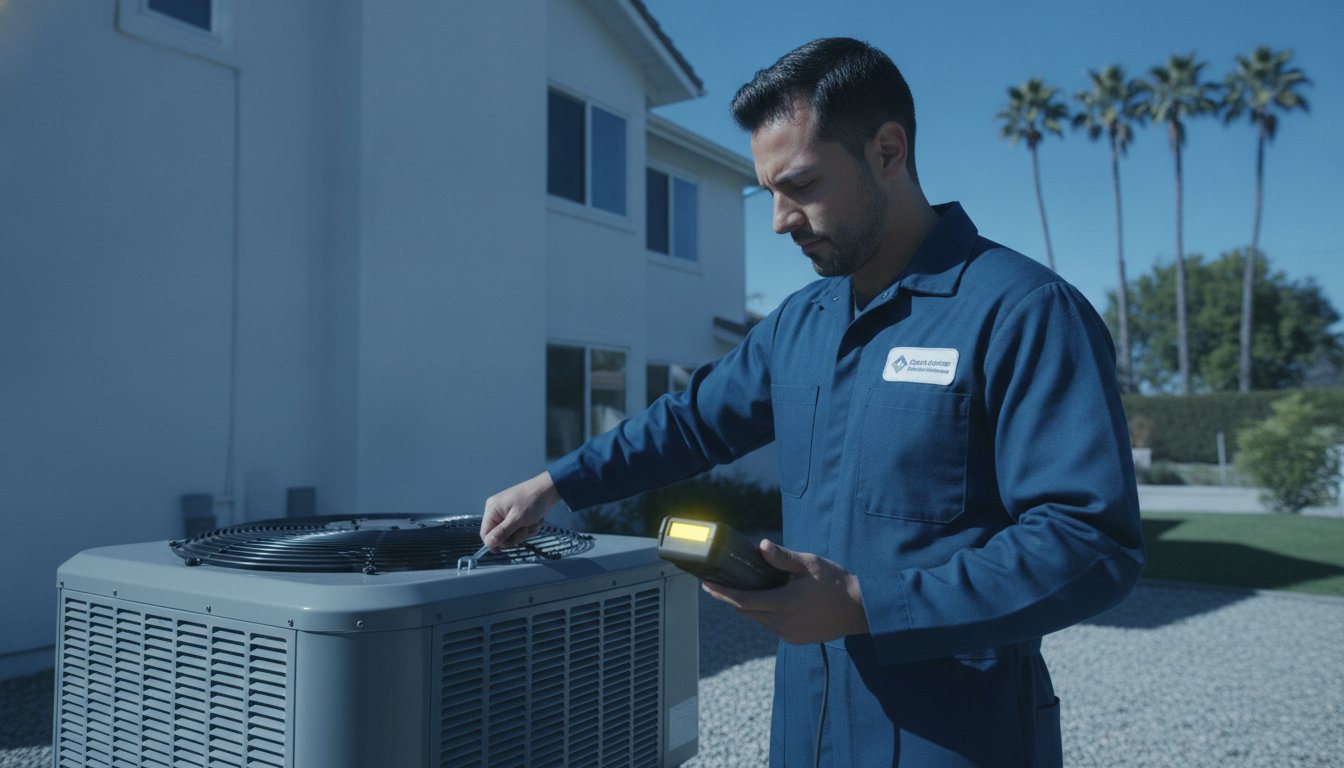
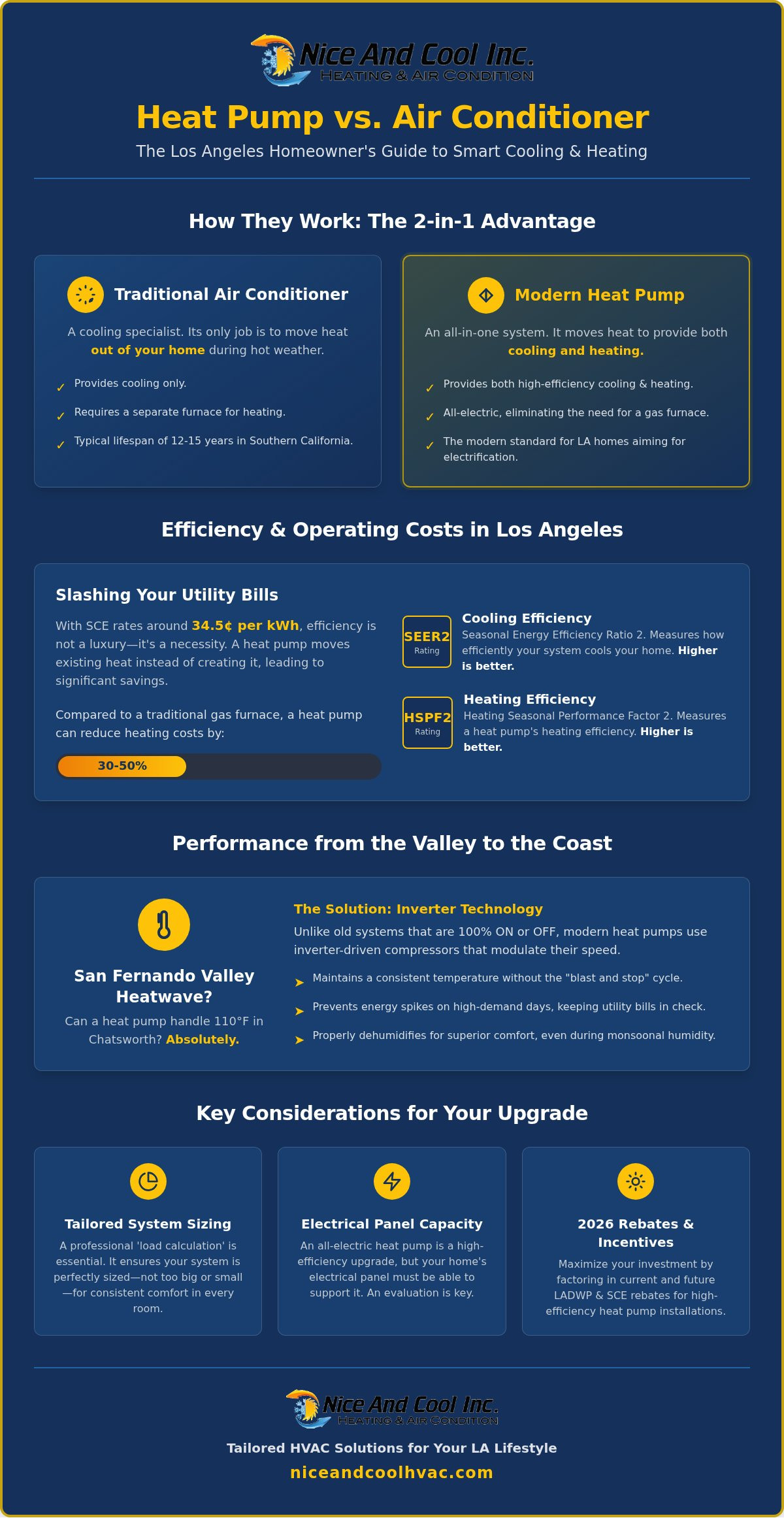
In the debate of heat pump vs air conditioner los angeles residents often wonder why two machines that look almost identical on the outside serve such different purposes. A standard central air conditioner is a specialist; its only job is to move heat out of your house. A heat pump is a multi-tasker. It uses a reversing valve to change the direction of refrigerant flow, allowing it to provide both cooling in the summer and heating in the winter.
The fundamental advantage of this technology is that it doesn't create heat through combustion or electric resistance. Instead, it relies on the physics of how a heat pump works to transfer existing thermal energy from one place to another. In our mild Los Angeles climate, there's almost always enough ambient heat in the outdoor air to keep your home cozy, even on the coldest nights of the year. This makes both options viable, though they solve the comfort puzzle in very different ways.
How Central AC Works with Your Existing Furnace
If you choose a traditional air conditioner, your system will likely consist of an outdoor condenser unit and an indoor evaporator coil mounted to your furnace. The AC handles the cooling, but it relies entirely on the furnace to keep you warm when the sun goes down. Whether you have a gas furnace or an electric air handler, these two components must work in tandem to maintain comfort. In Southern California, a well-maintained split system typically lasts between 12 and 15 years before the salt air or extreme heat starts to take a toll on the components.
The 2-in-1 Advantage of Heat Pump Technology
A heat pump is an all-electric HVAC solution that moves thermal energy rather than generating it. By opting for this setup, you can often eliminate the need for a separate gas line dedicated to heating. This is particularly useful if you're looking to simplify your home's infrastructure or comply with new California electrification trends. The reversing valve is the key component; it flips the system's operation with the touch of a button on your thermostat. If you want a streamlined system that handles every season without the need for a secondary furnace, the heat pump is the modern standard for LA homes.
Efficiency vs. Operating Costs: The Reality of Los Angeles Energy Rates
When comparing a heat pump vs air conditioner los angeles homeowners have to look beyond the sticker price. In 2026, efficiency is measured by SEER2 for cooling and HSPF2 for heating. These aren't just technical acronyms; they dictate how much of your hard earned money goes to SCE or LADWP every month. With SCE residential electricity rates hovering around 34.5 cents per kWh, a high efficiency system is no longer a luxury. It's a financial necessity. While a standard AC might seem cheaper upfront, a well sized heat pump can reduce your heating costs by 30% to 50% compared to a traditional gas furnace in our mild Mediterranean climate.
The "Valley vs. Coast" factor is a unique challenge for LA residents. If you live in Santa Monica, your system rarely breaks a sweat. However, if you're in the San Fernando Valley, your equipment faces a much harder life. Modern "Smart" heat pumps are designed to handle these discrepancies. They use advanced sensors to manage high demand days without spiking your utility bill. By moving heat instead of creating it, these systems maintain a steady temperature that avoids the "blast and stop" cycle common in older units.
Performance in the San Fernando Valley Heat
Can a heat pump actually keep up when it hits 110°F in Chatsworth or Burbank? The answer lies in inverter technology. Unlike traditional systems that are either 100% on or completely off, inverter driven compressors modulate their speed. They'll slow down once your home reaches the target temperature. This prevents the uneven cooling that plagues many older Valley homes. Proper sizing is critical here. If the system is too small, it will struggle during a heatwave. If it's too large, it won't properly dehumidify. We focus on tailored system sizing to ensure your equipment is a perfect fit for your specific microclimate.
Managing Your Utility Bills with SCE and LADWP
Your monthly costs are heavily influenced by Time-of-Use (TOU) rates. Running your HVAC during peak evening hours can be expensive. Heat pumps pair exceptionally well with solar panels, allowing you to "bank" energy during the day to offset cooling costs in the afternoon. For those in older LA homes with thin insulation, reducing the cooling load is just as important as the system itself. Simple steps like sealing duct leaks or adding attic insulation can make your new heat pump or AC work significantly less, extending the life of your investment and keeping your bills manageable.
Installation Logistics: Heat Pump Retrofits in LA
Switching your home's comfort system isn't just about picking a new box for the backyard. It's about ensuring your home's "skeleton" can support the upgrade. When debating a heat pump vs air conditioner los angeles homeowners often find that the biggest differences lie in the infrastructure behind the walls. While a standard AC replacement is often a "drop-in" job, a heat pump retrofit requires a closer look at your electrical capacity and the health of your existing ductwork.
Many LA homes built in the mid-century were designed with 100-amp electrical panels. This was plenty for a few lights and a radio, but it's often insufficient for an all-electric heating and cooling system. If your home still has an original panel, you may need to plan for an upgrade. Additionally, your 1950s-era ducts might be too small or too leaky to handle the high-static pressure of modern high-efficiency blowers. In some cases, a hybrid or dual-fuel system is the best middle ground. This allows you to keep your gas furnace as a backup for the few chilly nights we get, while the heat pump handles the bulk of the work throughout the year.
The Electrical Panel Upgrade Hurdle
A heat pump typically requires a dedicated 240V circuit. Because these systems use electricity for both heating and cooling, they pull a more significant load than a standalone AC unit. If you're upgrading from a gas furnace to a heat pump, your current 100-amp panel will likely be pushed to its limit. Upgrading to a 200-amp panel is a common requirement for modern LA retrofits. You should also account for permitting and utility inspections. In LA County, coordinating with LADWP or SCE for a panel upgrade can add four to eight weeks to your project timeline, so it's best to start the process early.
Ductless Mini-Splits as an Alternative
If your home lacks existing ductwork or if your current ducts are beyond repair, you don't have to settle for window units. Ductless mini-split systems offer a highly efficient alternative that skips the ducts entirely. These are ideal for the specific architectural challenges we see in Los Angeles, such as guest houses, garage conversions, or homes with limited attic space. By installing individual air handlers in different rooms, you gain precise control over your comfort. This approach is often the most straightforward way to settle the heat pump vs air conditioner los angeles debate for homes with unique layouts or historical preservation needs.
2026 Rebates and Incentives for Los Angeles Homeowners
The financial landscape for home comfort has shifted significantly as we move through 2026. When deciding between a heat pump vs air conditioner los angeles residents must now look at a very different incentive map than they did just twelve months ago. While the federal tax credit landscape changed abruptly at the end of 2025, the Los Angeles Department of Water and Power (LADWP) has stepped up with substantial rebates that directly lower the cost of high-efficiency systems. These local programs are now the primary drivers for making an upgrade affordable.
LADWP currently offers rebates for central ducted heat pumps ranging from $1,000 to $1,250 per ton. If you're opting for a ductless mini-split system that serves the entire home, those incentives can reach between $1,500 and $2,500 per ton. These amounts are tied to the SEER2 and HSPF2 ratings we discussed earlier. By choosing equipment that meets these higher standards, you're not just saving on monthly utility bills; you're also capturing a larger portion of the available incentive pool. This makes the heat pump vs air conditioner los angeles comparison much more favorable toward the all-electric option when you factor in the upfront rebate checks.
Navigating the 2026 Federal Tax Credits
It is important to understand that the Energy Efficient Home Improvement Credit (Section 25C) officially expired on December 31, 2025. This was a result of the "One Big Beautiful Bill Act" signed in mid-2025. While previous years allowed for a $2,000 annual credit for heat pumps and $600 for standard air conditioners, systems placed in service during 2026 no longer qualify for these specific federal tax breaks. To maximize your investment now, you must focus on "Energy Star Most Efficient" certifications to qualify for the remaining local utility programs. Keep all your invoices and AHRI certificates ready for your tax professional, as they'll need this documentation to verify the system's efficiency ratings for local filings and any potential state-level credits.
Local Utility Programs and Rebates
With federal credits off the table, local utility programs have become the primary way to offset installation costs. Southern California Edison (SCE) continues to offer clean energy incentives that reward homeowners who choose to electrify their heating and cooling. These programs are often combined with the LADWP Consumer Rebate Program to provide a significant return on investment. If you're looking for income-qualified savings, be aware that HEEHRA and TECH Clean California funding is currently fully reserved and operating on a waitlist. We recommend checking the status of these programs frequently, as new funding cycles can open up unexpectedly. To ensure you don't miss out on these opportunities, we can help you navigate the HeatPump Installation process and identify the specific models that currently qualify for the highest local payouts.
Choosing Your Comfort: The Nice and Cool Approach to HVAC
Deciding on a heat pump vs air conditioner los angeles home requires more than just picking a brand from a catalog. It's about matching a complex system to the way you live and the unique architecture of your property. We've seen many homeowners struggle with systems that were either too big, causing frequent on-and-off cycling, or too small to handle a classic Valley heatwave. A "one-size-fits-all" approach fails in Southern California because our microclimates are simply too diverse for generic solutions. Whether you're in a drafty Spanish Colonial or a modern, glass-heavy condo, the thermal needs of your space are completely unique.
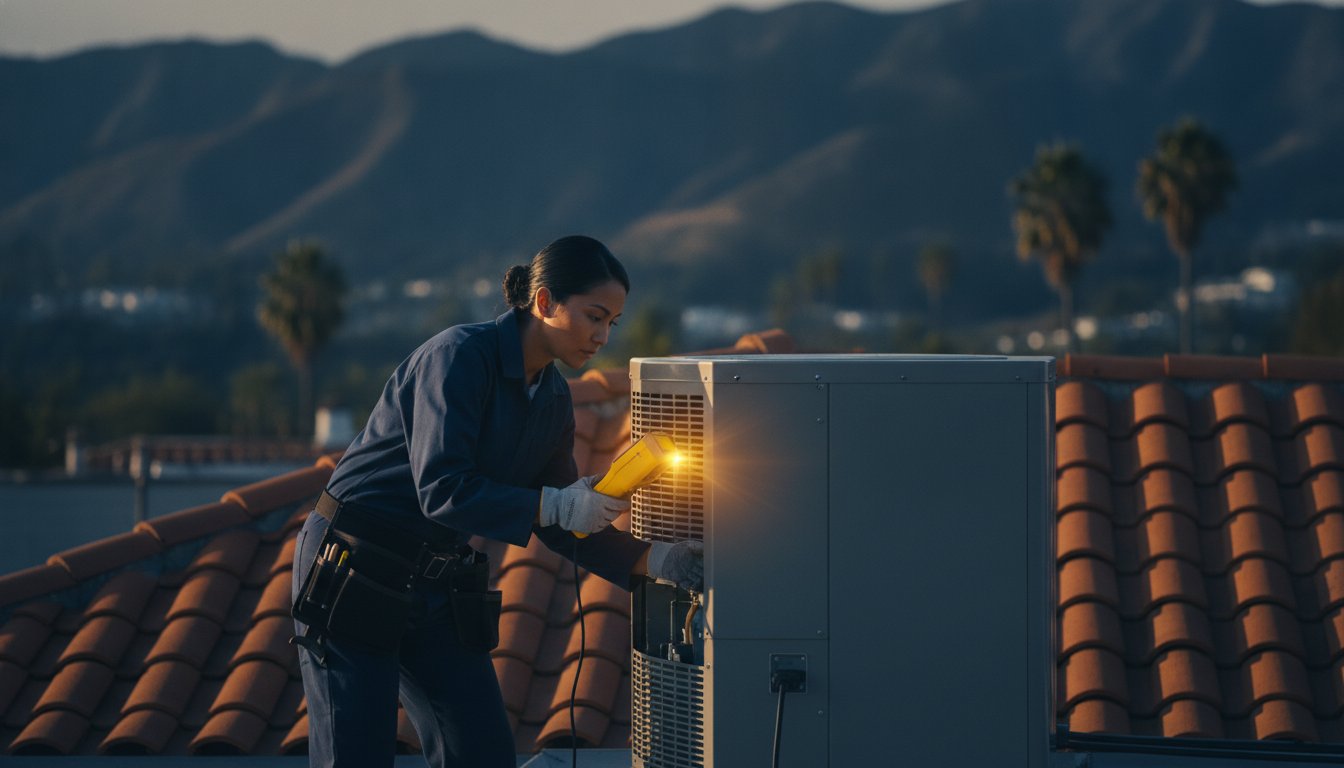
We utilize a methodical process for load calculation that goes far beyond simple square footage. We analyze the total environment of your home to ensure the system is a perfect fit. If your system isn't sized correctly, you won't see the efficiency gains promised by modern 2026 standards. We prioritize craftsmanship in every installation because a high-efficiency unit is only as reliable as the technician who calibrates it. To protect this investment for the long term, we offer the Nice and Cool Club Maintenance Plan. This plan ensures your system stays in peak condition, preventing the small issues that often lead to expensive mid-summer breakdowns.
Tailored Solutions for Your Specific Home
Our assessment involves a deep dive into your home’s orientation, insulation levels, and window types. If your living room faces the harsh afternoon sun, your cooling needs are vastly different than a home shaded by coastal fog. We also understand the importance of quiet operation. In dense LA neighborhoods where houses are often just feet apart, a noisy outdoor unit can be a nuisance to you and your neighbors. We select equipment that provides powerful performance without the disruptive sound levels of older technology. For a deeper look at our specific process, you can read our comprehensive guide on ac installation los angeles ca.
Reliable Local Expertise Since 2005
Nice and Cool Inc. has been a family-owned local specialist since 2005. We take immense pride in our reputation and our deep roots in the community. We don't believe in high-pressure sales or aggressive tactics. Instead, we offer honest, transparent pricing and a solution-oriented approach that puts your needs first. Whether you're leaning toward a heat pump or a traditional AC and furnace combination, we act as your guide to ensure you get the best value for your budget. The next step in your journey to better comfort is a professional home assessment. We'll walk through your property, listen to your concerns, and provide a customized plan that fits your LA lifestyle.
Investing in Your Long-Term Home Comfort
Navigating the decision between a heat pump vs air conditioner los angeles doesn't have to be a source of stress. The choice ultimately rests on your home’s unique microclimate and your existing electrical infrastructure. While the all-electric versatility of a heat pump offers significant heating savings, a traditional AC and furnace combination remains a dependable staple for many LA neighborhoods. By focusing on high-efficiency SEER2 standards and capturing current LADWP rebates, you can secure a system that delivers both comfort and financial peace of mind.
Since 2005, our family-owned business has provided tailored HVAC solutions across all of Los Angeles County. We take pride in our methodical approach to system sizing and our dedication to domestic comfort. Your home is your sanctuary; we're here to help you protect that investment with expert craftsmanship and long-term care through the Nice and Cool Club. We'll ensure your new system is perfectly fitted to your home's specific requirements.
Schedule your free home comfort assessment with Nice and Cool Inc. today! We look forward to helping you find the perfect cooling and heating fit for your LA lifestyle.
Common Questions About LA Home Comfort
Do heat pumps actually work when it gets over 100 degrees in Los Angeles?
Yes, modern heat pumps are designed to operate efficiently even in the extreme heat of the San Fernando Valley. Most high-performance units can maintain cooling capacity in temperatures up to 115 or 120 degrees. While older models struggled in triple-digit weather, today's inverter-driven systems modulate their speed to keep your home comfortable without overworking the compressor. This reliability makes them a strong contender in the heat pump vs air conditioner los angeles debate.
Will my electricity bill go up if I switch from a gas furnace to a heat pump?
Your electricity consumption will increase because you're moving from gas to electric heating, but your total energy costs typically decrease. Since heat pumps are 300% to 400% efficient, they use far less energy than a gas furnace. Even with SCE rates at 34.5 cents per kWh, the reduction in gas usage often leads to a lower combined utility bill. Many LA homeowners see a 30% to 50% drop in heating costs.
Can I install a heat pump if I don’t have existing ductwork?
Absolutely. If your home lacks traditional vents, we specialize in installing ductless mini-split systems. These units provide the same efficient heat pump technology without the need for invasive construction or bulky ductwork. They're perfect for older Los Angeles homes, garage conversions, or guest houses. You can enjoy zoned comfort in every room while benefiting from the highest efficiency ratings available in 2026.
How long does it take to install a new heat pump vs. a central AC in LA?
A standard central AC installation usually takes one full day. A heat pump installation might take one to two days, especially if your home requires an electrical panel upgrade or new 240V wiring. Because we've been serving LA County since 2005, we've streamlined our process to minimize disruption. If your electrical system is already prepared, the timeline is very similar to a traditional split-system replacement.
What is a dual-fuel or hybrid HVAC system, and is it good for LA?
A dual-fuel system combines an electric heat pump with a gas furnace backup. It's a great option if you're worried about extreme cold or if you want the flexibility of two energy sources. However, given LA’s mild winters, a standalone heat pump is usually sufficient for year-round comfort. We often recommend this hybrid approach for homes with older electrical panels that can't quite support a fully electric heating load.
Are there still rebates available for heat pumps in 2026?
Yes, local rebates are still very active in 2026. While the federal tax credits expired at the end of 2025, LADWP offers significant incentives. You can currently receive between $1,000 and $2,500 per ton depending on the system type and efficiency rating. These utility-driven programs make the transition to all-electric comfort much more affordable for local families. We always help our customers identify and apply for these available savings.
Does a heat pump require more maintenance than a standard air conditioner?
A heat pump doesn't necessarily require more maintenance, but it does work harder than a standalone AC because it runs during both summer and winter. We recommend two professional check-ups per year to keep it in peak condition. Our Nice and Cool Club Maintenance Plan is designed to handle this schedule perfectly. Regular care ensures your system maintains its high-efficiency ratings and prevents unexpected breakdowns during peak LA heatwaves.
How much can I save on my taxes with a new high-efficiency AC unit?
As of 2026, there are no remaining federal tax credits for new air conditioning units or heat pumps. The Energy Efficient Home Improvement Credit expired on December 31, 2025. This makes it even more important to focus on local utility rebates from LADWP or SCE to offset your costs. When comparing a heat pump vs air conditioner los angeles, the local incentives are now the primary financial driver for choosing one system over the other.
Frequently Asked Questions
Yes, modern heat pumps are designed to operate efficiently even in the extreme heat of the San Fernando Valley. Most high-performance units can maintain cooling capacity in temperatures up to 115 or 120 degrees. While older models struggled in triple-digit weather, today's inverter-driven systems modulate their speed to keep your home comfortable without overworking the compressor. This reliability makes them a strong contender in the heat pump vs air conditioner los angeles debate.