Ultimate Guide to Split Unit Air Conditioners for Home
August 31, 2026 18 min read
What if you could cool your home with the precision of a master craftsman and the quiet of a library, all while watching your monthly utility bills finally start to drop? Many homeowners in Los Angeles feel stuck between the disruptive roar of an old window unit and the invasive, bank-breaking process of installing traditional ductwork. It's frustrating to pay for cooling in an empty guest room just to stay comfortable in your own bedroom. If you've been searching for a way to achieve perfect indoor temperatures without the architectural headache, then a split unit air conditioner might be the solution you need.
We understand that your home is your sanctuary, and you deserve a cooling system that feels like it was built just for you. In this guide, you'll discover exactly how these modern systems work and why they've become the gold standard for efficient Los Angeles living. Whether you're looking to cool a single "problem room" or your entire house, we'll walk you through the latest 2026 efficiency standards, new eco-friendly refrigerants, and how to choose a system that blends seamlessly into your interior design. By the end of this article, you'll have the confidence to select a cooling setup that provides lasting peace of mind and reliable comfort for years to come.
Key Takeaways
- Discover how removing invasive ductwork can eliminate 20% to 30% energy loss and improve your indoor air quality immediately.
- Learn the difference between single-zone and multi-zone systems to decide whether you need to fix one hot spot or cool your entire home.
- Master the art of sizing your system by calculating room volume and sun exposure rather than just looking at floor space.
- Understand why professional installation of a split unit air conditioner is essential for meeting California safety codes and avoiding costly refrigerant leaks.
- Find out how a structured maintenance plan protects your new investment and keeps your utility bills low throughout the year.
What is a Split Unit Air Conditioner?
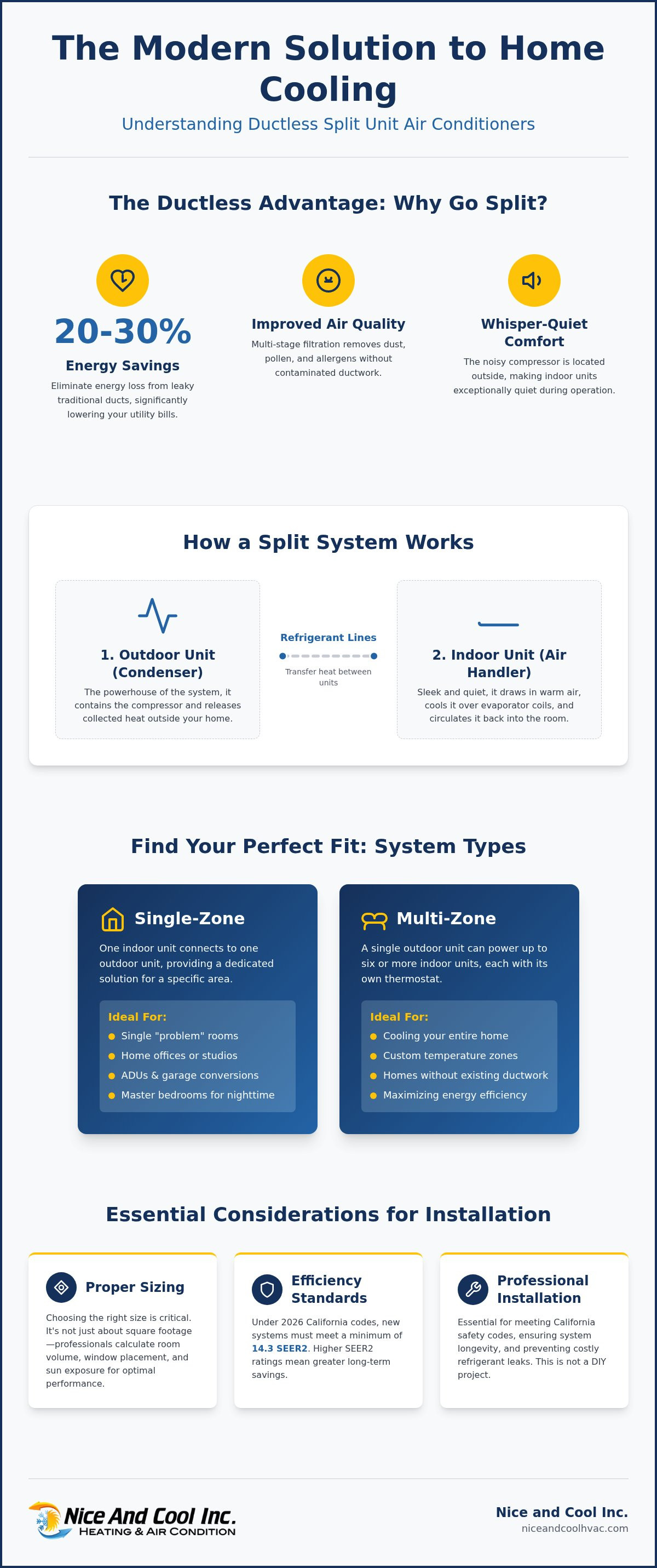
A split unit air conditioner is a highly efficient heating and cooling system that separates its mechanical components into two distinct parts: an indoor air handler and an outdoor condenser. Unlike traditional central systems that require bulky ductwork, these units connect via small refrigerant lines and electrical wiring. This design allows for a much simpler installation process that doesn't involve tearing apart your walls or ceilings. If you're looking for a technical deep dive into the evolution of this technology, you can explore the broader history of What is a Split Unit Air Conditioner? to see how it has transformed residential comfort.
The "ductless" nature of these systems provides a massive advantage for energy savings and indoor air quality. Traditional ducts are notorious for leaking, often losing 20% to 30% of energy as air travels through unconditioned spaces like attics. By delivering air directly into the room, a split system eliminates these losses. It also prevents the buildup of dust, mold, and allergens that typically hide inside old duct networks. This makes it an ideal choice for Los Angeles homeowners who want a cleaner, more cost-effective way to stay cool. Every system relies on a few key components to function properly:
- Evaporator coils: Located in the indoor unit, these absorb heat from your room's air.
- Refrigerant lines: Small copper tubes that carry the cooling medium between the two units.
- Outdoor compressor: The mechanical heart that moves refrigerant and releases heat outside.
The Indoor Unit (Air Handler)
The indoor unit is the sleek component you'll see mounted on your wall, ceiling, or floor. Its main job is to draw in warm air from your room and pass it over cold evaporator coils to absorb heat. It also features high-quality filters that catch airborne particles as the air circulates. Because the noisy compressor is located outside, these air handlers operate at a whisper-quiet level. Proper placement is essential for optimal airflow. Our team focuses on tailoring the installation to your specific room layout to ensure there are no hot spots or stagnant air zones.
The Outdoor Unit (Condenser)
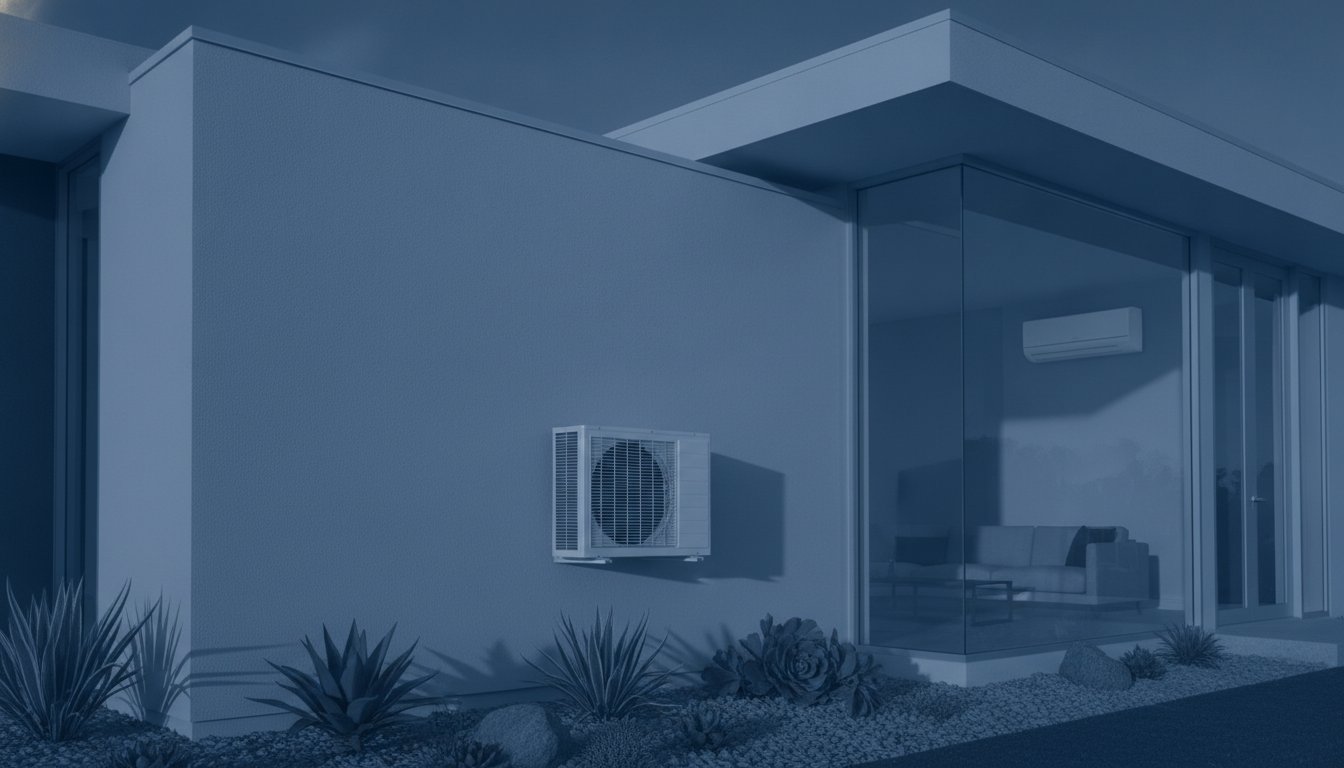
The outdoor unit is the powerhouse of the split unit air conditioner. It contains the compressor, which pumps refrigerant through the lines to move heat out of your home. These units are engineered for durability, featuring weather-resistant coatings that handle the unique Los Angeles climate with ease. Under the 2026 California energy codes, new installations must meet a minimum efficiency of 14.3 SEER2. Whether you choose a single-zone setup for a guest house or a multi-zone configuration for your entire home, this modular approach gives you complete control over your comfort.
Types of Split Systems: Single-Zone vs. Multi-Zone
Choosing the right split unit air conditioner depends on the specific layout of your home and your long-term cooling goals. While the underlying technology remains consistent, the configuration can vary from a simple one-to-one setup to a complex network of indoor units. Understanding these options helps you avoid over-investing in a system that's too large or struggling with one that's too small for your needs.
Beyond the standard wall-mounted units, you have several design options to consider. If you prefer a more discreet look, ceiling cassettes fit flush with the ceiling and distribute air in four directions. Floor consoles are excellent for rooms with limited wall space or for those who prefer the airflow at a lower level. For homeowners with existing central systems, hybrid solutions allow you to keep your main AC for the core of the home while adding a dedicated split unit air conditioner to problematic sunrooms or upstairs bedrooms that never seem to stay cool.
When to Choose a Single-Zone Unit
If you've recently converted a garage into a home office or added an Accessory Dwelling Unit (ADU) to your Los Angeles property, a single-zone unit is often your best ally. These projects often lack the structural support or space for traditional ducts. A single-zone system provides a dedicated, cost-effective cooling source that won't strain your main HVAC system. It is also a perfect solution for master bedrooms where you only need cooling during the night; it allows you to stay comfortable without paying to cool the rest of the house while you sleep.
Designing a Multi-Zone Layout
A multi-zone layout allows you to connect up to six or more indoor air handlers to a single outdoor condenser. This is where true customization happens. You can group rooms based on how you use them. For example, you might install high-capacity units in the living areas and smaller, lower-BTU units in the guest bedrooms. This ensures you aren't wasting energy on empty rooms. It effectively ends "thermostat wars" because every family member can control their own environment independently.
It is vital to understand BTU distribution across these zones. A single outdoor condenser has a maximum capacity, and if you install too many indoor units, the system may struggle during a typical Southern California heatwave. Our specialists focus on tailoring the BTU load to your home's specific sun exposure and insulation levels. If you're ready to give every room its own climate, we can help you design Ductless Mini-Split Systems that provide precision comfort throughout your home.
The Benefits of Going Ductless in Los Angeles
Living in Los Angeles means dealing with intense heatwaves and rising energy costs. A split unit air conditioner offers a tailored solution that traditional systems simply can't match. By delivering air directly into your living space, you eliminate the 20% to 30% energy loss that typically occurs in leaky ductwork. This efficiency isn't just a technical perk; it translates directly into lower monthly utility bills for your household. Because there are no ducts to collect dust or mold, you also enjoy a cleaner environment every time the system turns on.
Zoned comfort is another game changer for local residents. If you spend most of your day in a home office but your evenings in the living room, there is no reason to pay for cooling your entire house. These systems allow you to slash your electric bills by focusing your cooling power exactly where you need it. Additionally, multi-stage filtration systems are designed to trap the specific dust and pollen found across Los Angeles County. This provides a significant boost to your indoor air quality without requiring extra standalone purifiers.
For those living in our city's beautiful older homes, preserving architectural integrity is a top priority. Installing bulky ducts in a vintage Craftsman or a mid-century modern home often requires invasive construction that ruins original features. A split unit air conditioner requires only a small three-inch hole in the wall for the refrigerant lines. This makes it the most flexible installation option available today, allowing you to modernize your comfort without sacrificing the character of your home.
Understanding SEER2 Ratings in 2026
As of January 1, 2026, California has implemented stricter energy efficiency standards for all new cooling equipment. SEER2 is the industry standard for seasonal efficiency. For most residential systems under 45,000 Btu/h, the new minimum requirement is 14.3 SEER2. If your system has a higher rating, you'll see even greater long-term savings on your utility bills. These regulations ensure that every new installation contributes to a more sustainable and cost-effective future for Southern California homeowners.
Quiet and Low-Profile Cooling
Noise pollution is a real concern in many tightly packed Los Angeles neighborhoods. Because the heavy mechanical work happens in the outdoor unit, the indoor handlers are incredibly quiet. They won't interrupt your sleep or your conversations. Their sleek, modern design also ensures they blend into your interior decor rather than standing out like a bulky window unit. This low-profile approach helps reduce the "hot-room" syndrome often found in west-facing rooms or upper stories of local homes where traditional AC often fails to reach.
Selection & Sizing: How to Choose the Right Unit
Selecting the right split unit air conditioner requires more than just a quick look at your room's square footage. Many generic online calculators overlook the specific architectural challenges we face here in Los Angeles. If you want a system that performs reliably during a triple-digit heatwave, you need to consider the total volume of your space rather than just the floor area. High vaulted ceilings or open floor plans significantly increase the amount of air that needs to be cooled, which directly impacts the BTU (British Thermal Unit) capacity required for your home.
Your lifestyle and the physical orientation of your house also play massive roles in this decision. For instance, a room with large west-facing windows will absorb significantly more heat in the afternoon than a north-facing room. Proper sizing follows a structured approach:
- Step 1: Calculate BTU requirements based on room volume to account for high ceilings.
- Step 2: Assess your home's insulation quality and sun exposure, particularly for those intense afternoon sun hours.
- Step 3: Determine how many independent zones you need based on which rooms you use most frequently.
- Step 4: Choose an indoor unit style, such as wall-mounted or floor consoles, that matches your aesthetic and provides the best airflow.
- Step 5: Consult a specialist for a Manual J load calculation to ensure the mechanical specs match your home's actual needs.
If you're ready to find a system tailored to your home's unique footprint, our team can provide a professional Air Conditioning Installation that guarantees peak performance from day one.
The Danger of Oversizing and Undersizing
There is a common misconception that a "more powerful" unit is always better. If a system is oversized for the space, it will engage in short-cycling. This means it turns on and off too rapidly, which prevents it from properly dehumidifying the air and leads to a clammy, uncomfortable environment. Conversely, an undersized unit will run constantly without ever reaching your target temperature. This puts immense strain on the compressor, shortens the system's lifespan, and causes your electricity bills to skyrocket. Professional sizing finds that "Goldilocks" zone where the system runs efficiently and maintains a steady, comfortable climate.
Feature Checklist for LA Homeowners
Modern technology has made these systems more versatile than ever. We always recommend inverter technology, which uses variable-speed compressors to adjust cooling power in real-time rather than simply blasting on or off. This results in much smoother temperature control and lower energy usage. Smart home integration is another essential feature; it allows you to adjust your split unit air conditioner from your smartphone before you even leave work. Finally, remember that these units are also highly efficient heat pumps, providing a cost-effective way to keep your home warm during our chilly Southern California winter nights.
Professional Installation vs. DIY: Why It Matters
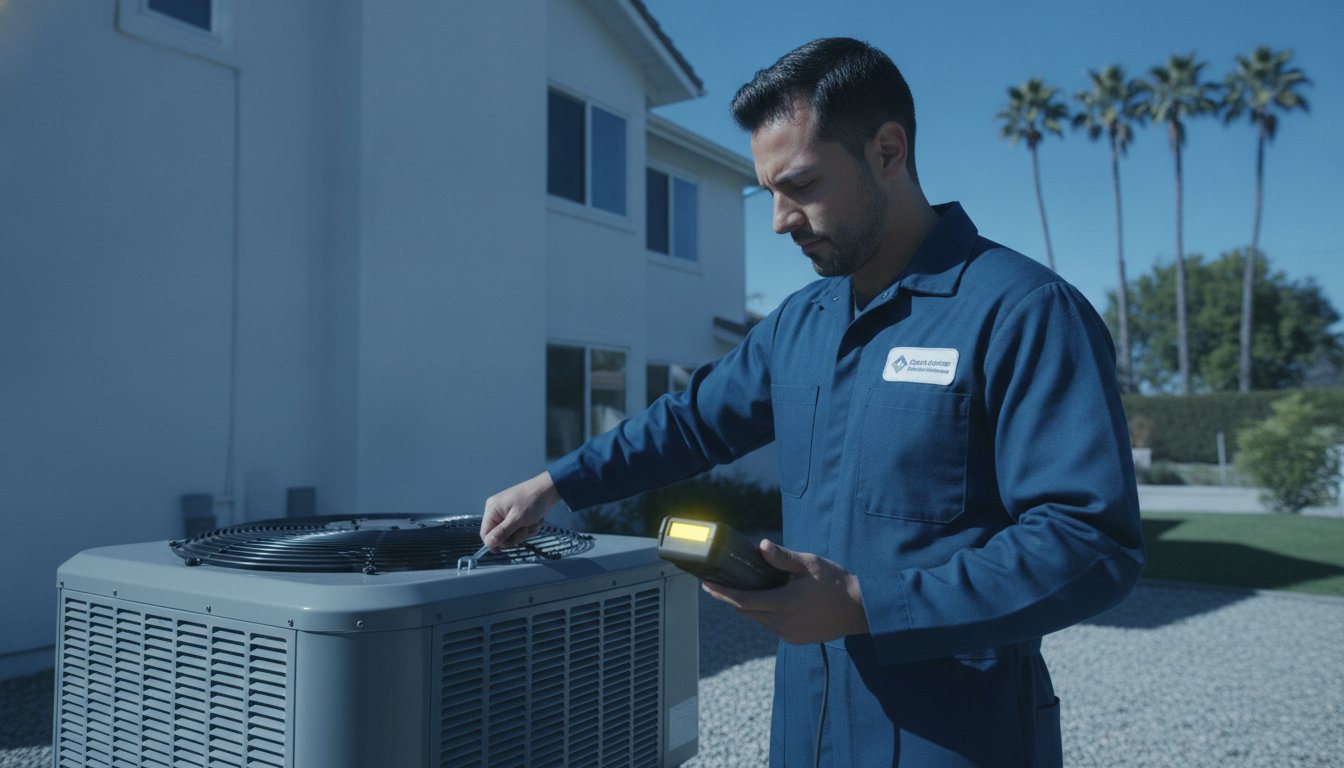
While DIY kits for a split unit air conditioner are widely available online, they often present a significant risk to your home's comfort and your wallet. Many manufacturers market "pre-charged" line sets as a simple solution, but these don't guarantee a leak-free system. If a connection isn't perfectly seated or if a line is kinked during installation, you'll face slow refrigerant leaks that are difficult to diagnose and expensive to repair. In California, handling refrigerant legally requires a C-20 HVAC licensed contractor. This isn't just a suggestion; it's a legal and environmental necessity to ensure that harmful chemicals don't escape into our local atmosphere.
Beyond the mechanical risks, your financial protection is at stake. Most major HVAC brands require proof of professional installation to honor their equipment warranties. If you install the system yourself and a major component fails, you may find yourself paying for the replacement out of pocket. There is also the critical matter of electrical safety. A new split unit air conditioner places a specific demand on your home's electrical panel. If your existing wiring isn't rated for the new load, you risk tripped breakers or, in extreme cases, electrical fires. Under the 2025 update to California's Title 24 energy code, many installations now require third-party HERS verification to confirm airflow and refrigerant charge. This is a level of compliance that is nearly impossible to navigate without a professional partner.
The Nice and Cool Installation Process
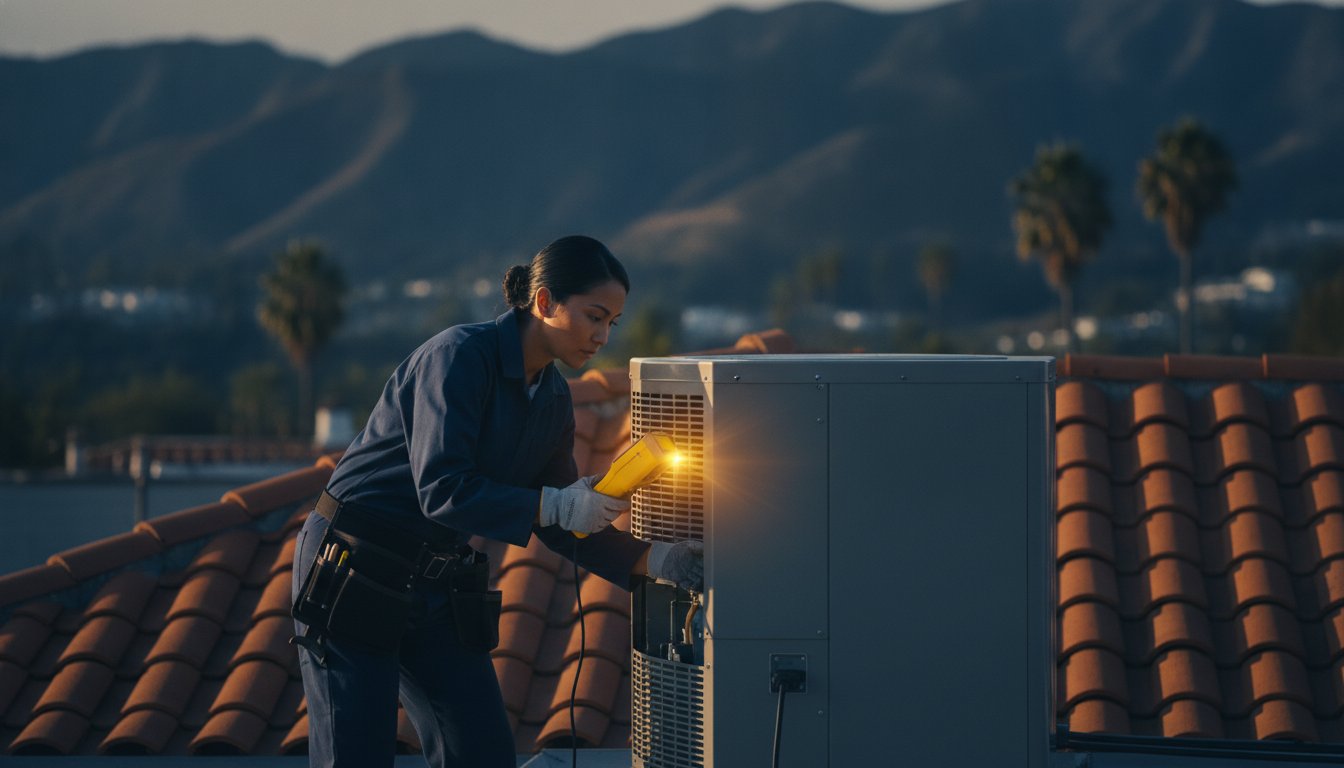
We take immense pride in tailoring every installation to the specific layout of your home. Our technicians don't just hang a unit on the wall; they carefully plan the drainage paths and ensure that line-set insulation is robust enough to handle the Los Angeles sun. During the final stages, we perform rigorous pressure checks and use specialized tools for micron vacuuming. This process removes all moisture and air from the lines, which is the only way to ensure your system reaches its full 20-year lifespan. If moisture remains in the lines, it creates acid that will eventually destroy your compressor from the inside out.
Protecting Your Investment
Once your system is expertly installed, the best way to maintain that "day one" performance is through consistent care. We designed the Nice and Cool Club Maintenance Plan specifically for our local neighbors. Routine inspections allow us to catch small issues before they turn into costly failures. Whether it's cleaning the sensitive evaporator coils or checking the refrigerant levels, regular maintenance keeps your utility bills low and your peace of mind high. If you're ready to upgrade your home with a system that is built to last, you can Schedule your professional ductless consultation today.
Take Control of Your Home’s Comfort Today
Choosing a split unit air conditioner is about more than just cooling; it’s about creating a quiet, efficient sanctuary that fits your specific lifestyle. We have detailed how removing invasive ductwork slashes energy waste and how tailoring your system to your home’s unique volume ensures lasting reliability. As licensed and insured Los Angeles HVAC experts specializing in ductless technology since 2005, we focus on the precision and craftsmanship your home deserves. Whether you need to fix a single hot room or want to overhaul your entire home’s climate, the right setup provides peace of mind for years to come.
Ready to experience the difference for yourself? You can Request a Professional Ductless Mini-Split Estimate to get started. Once your system is in place, our Nice and Cool Club Maintenance Plan provides the ongoing care needed to protect your investment and keep your bills low. You deserve a home that stays perfectly comfortable without the high costs or the noise. We are here as your local partner to help you make it happen.
Frequently Asked Questions
How much does a split unit air conditioner cost to run?
A split unit air conditioner is typically 20% to 30% cheaper to run than a central system because it avoids the energy loss associated with ductwork. Your actual monthly cost depends on your specific LADWP or Southern California Edison rates. If you use the zoning feature to only cool the rooms you are currently in, you'll see even more significant savings. This targeted cooling approach is the most efficient way to manage Los Angeles utility bills.
Can I install a split unit air conditioner myself in California?
You cannot legally install a split system yourself in California. State law requires a C-20 licensed contractor for all refrigerant handling and electrical work. The 2025 Title 24 energy code also mandates third-party HERS verification to ensure the system meets strict efficiency standards. If you attempt a DIY installation, you'll likely void the manufacturer's warranty and risk significant fines or safety hazards from improper wiring and refrigerant leaks.
How long do ductless mini-split systems typically last?
A professionally installed system usually lasts between 15 and 20 years. This lifespan is much longer than that of a window unit, provided you keep up with regular maintenance. If you participate in the Nice and Cool Club Maintenance Plan, you'll catch small issues like dust buildup or minor leaks before they damage the compressor. Consistent care is the best way to protect your investment and ensure reliable cooling during intense Los Angeles summers.
Do split unit air conditioners provide heating as well?
Yes, these systems are highly efficient heat pumps that provide both cooling and heating. They work by moving heat rather than generating it, which makes them much more efficient than traditional electric or gas heaters. If you live in Southern California, this technology is perfect for our mild winters. It allows you to maintain a comfortable temperature year-round without the need for a separate furnace, keeping your home cozy on those chilly Los Angeles nights.
How often do I need to clean the filters in my split unit?
We recommend cleaning your air handler filters every two to four weeks. If you live near a busy Los Angeles freeway or have multiple pets, you should check them more often. Dirty filters restrict airflow, which forces the system to work harder and increases your energy consumption. Most filters are designed to be easily removed and rinsed with water, making it a simple task that significantly improves your indoor air quality and system performance.
Is a split unit AC better than a window unit?
A split unit air conditioner is a significant upgrade over a window unit. It operates at a much lower noise level because the compressor is located outside. It also preserves your home's security and natural light by keeping windows closed and locked. While the upfront cost is higher, the superior energy efficiency and professional appearance make it a better choice for homeowners looking to increase their property value and enjoy a more comfortable living environment.
How many rooms can one outdoor split unit cool?
One outdoor condenser can typically power up to eight indoor units depending on its total capacity. This allows you to cool multiple rooms or even an entire home from a single outdoor source. If you have a complex layout, we'll help you design a multi-zone configuration that balances the cooling load across your living spaces. This ensures that every room stays at your preferred temperature without wasting energy on unoccupied areas of the house.
What is the best SEER2 rating for a home in Los Angeles?
The minimum requirement in California for 2026 is 14.3 SEER2, but aiming for a rating of 18 to 22 is often the smartest choice for Los Angeles homes. Higher ratings mean better efficiency and you won't have to worry about high operating costs. If you choose a system with a high SEER2 rating, you may also be eligible for rebates from local utilities like LADWP. Investing in higher efficiency now leads to much greater savings over the life of the system.
Frequently Asked Questions
A split unit air conditioner is typically 20% to 30% cheaper to run than a central system because it avoids the energy loss associated with ductwork. Your actual monthly cost depends on your specific LADWP or Southern California Edison rates. If you use the zoning feature to only cool the rooms you are currently in, you'll see even more significant savings. This targeted cooling approach is the most efficient way to manage Los Angeles utility bills.