AC Leaking Water Inside House? A 2026 Los Angeles Homeowner’s Guide
September 8, 2026 18 min read

You walk into your living room on a blistering 95-degree afternoon in the Valley, only to feel a cold, damp squish beneath your feet. Finding your ac leaking water inside house is more than just a mess; it's a race against the clock to prevent mold growth and expensive structural damage to your floors or ceilings. Whether you're dealing with a minor drip or a steady stream, that pool of water is a clear sign that your system is struggling under the weight of the Southern California heat. It's natural to feel a sense of urgency when your primary defense against the humidity fails.
If you take the right steps now, you can protect your property and restore your peace of mind. This guide will help you discover why your air conditioner is leaking water, how to stop the damage immediately, and when it's time to call a Los Angeles professional. We'll walk through the common culprits behind indoor moisture in 2026, the specific "Stop Now" safety triggers every homeowner should know, and how to ensure your HVAC system remains a reliable partner in your long-term comfort.
Key Takeaways
- Learn the immediate steps to take when you find your ac leaking water inside house to prevent electrical hazards and protect your home's structure.
- Identify how unique Los Angeles environmental factors like Santa Ana winds and local dust create the "sludge" that leads to system backups.
- Master a simple wet/dry vac technique for clearing minor clogs and know exactly when a professional repair is necessary for your safety.
- Understand the connection between hidden water leaks and rising energy bills to avoid the long-term costs of system inefficiency.
- Explore how routine preventative care through the Nice and Cool Club can catch drainage issues before they turn into indoor floods.
Immediate Action: What to Do When Your AC Is Leaking Water
Walking into a room and finding your ac leaking water inside house is a stressful moment, but your immediate response determines whether you'll face a simple repair or a full scale renovation. The very first thing you should do is head to your thermostat and switch the system to "Off." This stops the cooling cycle and prevents the unit from generating any more moisture. If you notice water pooling near your furnace, air handler, or any visible wiring, you need to go a step further and flip the dedicated breaker in your electrical panel. Water and electricity are a dangerous combination; cutting the power at the source is the only way to ensure your safety while you assess the situation.
Once the system is powered down, focus on moisture control. Use towels or a wet/dry vacuum to clear away standing water immediately. Letting water sit on your floors or soak into your drywall is an open invitation for mold growth, which can begin in as little as 24 to 48 hours in the Los Angeles climate. Many homeowners are tempted to "wait and see" if the leak stops on its own, but this is often the most expensive mistake you can make. A small drip today can become a collapsed ceiling tomorrow. Taking action now protects your home's structural integrity and your family's health.
The "Stop Now" Safety Checklist
Before you attempt to look inside the unit, run through these critical safety checks. If you smell sulfur or a distinct "burning" odor, leave the area immediately and call for help. This often indicates that water has already compromised the electrical components. Whether you see a few drops or a steady stream, never touch the internal components or reach into the cabinet while the power is still on. Understanding how air conditioners work helps you realize that the system relies on high voltage and moving parts that remain hazardous until the power is fully disconnected.
Assessing the Scope of the Leak
Identifying where the water is coming from will help you describe the problem to your technician. Is the water dripping directly from the indoor unit, or is it manifesting as a damp spot on the ceiling? A ceiling leak often suggests a secondary drain pan failure or a problem with the attic piping. Differentiating between a minor drip and a major drainage failure is essential for prioritizing your service. We recommend taking photos or a short video of the leak in action. This documentation allows your air conditioning repair service to diagnose the issue more accurately once they arrive at your home.
Why Is My AC Leaking Water? 5 Common Causes in Los Angeles
Understanding why you have an ac leaking water inside house requires looking at both your system and the unique environment of Southern California. While any air conditioner can develop a leak, our local climate stressors often accelerate common mechanical failures. The most frequent culprit is a clogged condensate drain. Your AC doesn't just cool the air; it removes moisture. This water should flow through a dedicated line, but when dust and debris mix with the condensation, they form a thick sludge that blocks the pipe. In older Los Angeles homes, you might also be dealing with a damaged or rusted drain pan. Over decades, metal pans can corrode, allowing water to bypass the drainage system and seep directly into your floorboards or ceiling.
A dirty air filter is another simple oversight that leads to major water issues. When air can't flow freely, the system's temperature drops, causing the evaporator coils to freeze over. Once the unit cycles off, that block of ice melts rapidly, often overflowing the drain pan. If you've noticed your system is struggling, our team at Nice and Cool Inc. can help you identify these "silent" leaks before they lead to expensive structural repairs.
The Impact of Santa Ana Winds and Local Debris
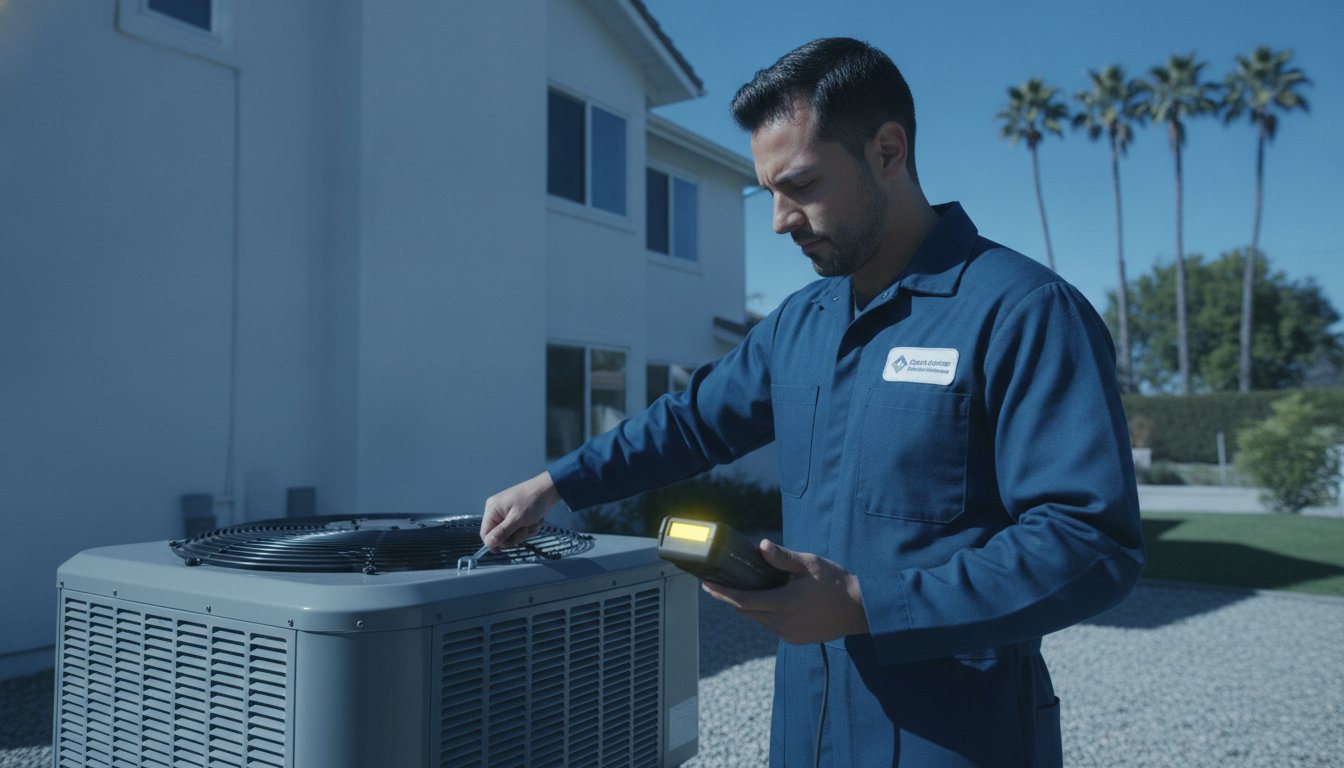
If you've lived through a Santa Ana wind event, you know the fine, powdery dust that coats everything. This particulate matter often bypasses standard filters and settles on the damp evaporator coils. During high pollen seasons, this mixture creates a biological "slime" that quickly overwhelms your drainage line. Even your outdoor condenser plays a role; if it's choked with local debris, the entire system works harder. This extra strain leads to excessive condensation that your indoor components weren't designed to handle, eventually resulting in a backup.
Refrigerant Leaks and Frozen Coils
A frozen evaporator coil is a deceptive problem. You might see ice on the unit and think it's working "too well," but the opposite is true. When you have low refrigerant levels, the temperature of the coil drops below freezing. Eventually, that block of ice melts, and the volume of water is often too much for the drain pan to contain. Listen for a faint hissing sound, which often signals a refrigerant leak. It's vital to have a professional handle the repair rather than simply letting it "thaw out," as the underlying pressure issue will remain and continue to cause floods.
DIY Troubleshooting vs. Professional HVAC Repair
Deciding whether to grab a toolbox or your phone can be a difficult choice when you find your ac leaking water inside house. Some drainage issues are straightforward enough for a handy homeowner to resolve, while others involve complex system pressures that require specialized equipment. Before you call for backup, start with the most basic component: the air filter. If your filter is visibly black or matted with dust, it's likely the primary cause of your system's distress. A restricted filter forces the unit to work harder, eventually leading to the ice and overflow issues we discussed earlier. Swapping a dirty filter for a fresh one is often the simplest way to stop a minor leak in its tracks.
Another effective homeowner tactic is the wet/dry vac trick. If you can locate the end of your condensate drain line outside, you can use a shop vacuum to pull out minor clogs. Wrap a wet rag around the vacuum hose to create a tight seal against the drain pipe and run it for about 30 seconds. This often extracts the "sludge" caused by Los Angeles dust. However, if you find yourself performing this task every few weeks, it's a sign that the clog is deep within the internal trap or that the line wasn't pitched correctly. Recurring clogs aren't just a nuisance; they suggest a systemic problem that a vacuum alone cannot fix.
When DIY is Sufficient
You can often handle the situation yourself if the problem is strictly external or maintenance-related. If you see a visible cluster of leaves or debris blocking the primary drain exit, clearing it by hand may restore proper flow. It's also wise to check the secondary drain pan, which is usually located directly under the indoor unit. If this pan contains standing water, it means your primary line is blocked but the safety system is doing its job. In these cases, clearing the blockage and drying the pan is a safe weekend project. If these steps don't yield a dry floor, the issue likely sits behind the cabinet panels.
When to Call a Los Angeles HVAC Specialist
Certain red flags indicate that the repair has moved beyond the DIY stage. If the leak persists after you've changed the filter and cleared the line, you're likely dealing with a cracked internal drain pan or a failing condensate pump. You should also call a specialist if you notice ice forming on the copper refrigerant lines or if your AC is not blowing cold air while it leaks. These symptoms often point to a refrigerant leak. Attempting to handle refrigerant yourself is not only dangerous for your health but also illegal under EPA regulations. A professional diagnostic ensures you aren't just "parts swapping" and helps you avoid the expense of unnecessary repairs.

The Long-Term Cost of Ignoring an AC Leak
Ignoring an ac leaking water inside house is essentially paying a hidden tax on your home's comfort and safety. While a small puddle might seem like a minor nuisance, it's a signal that your system is operating under extreme stress. A leaking unit is usually a system that's failing to dehumidify or cool correctly. This inefficiency causes the compressor and fans to run significantly longer to reach your thermostat's setting. In Los Angeles, where labor and energy costs sit higher than the national average, this extra run time translates directly into a noticeable spike on your monthly utility bill.
Beyond the immediate energy costs, standing water creates a "domino effect" of damage throughout your property. Water doesn't just sit; it migrates. It can rot floor joists, ruin expensive hardwood floors, and cause ceiling drywall to crumble and fall. Repairing a drainage issue early is always a fraction of the cost of a full mold remediation or a structural ceiling replacement. If you notice moisture where it shouldn't be, it's time to act. You can schedule a professional inspection with our team to identify the source before the damage spreads.
Energy Efficiency and 2026 SEER2 Standards
As of January 1, 2026, California's energy codes require higher efficiency than ever before. New residential split-system air conditioners must meet a minimum of 14.3 SEER2. A leak caused by frozen coils or a cracked pan forces your system to pull more amperage, effectively negating the energy-saving benefits of these high-efficiency standards. Proper drainage is especially critical for modern variable-speed motors. These components are designed for precision, and the extra humidity or backpressure from a leak can significantly shorten their lifespan. If your older unit is leaking and struggling to keep up, a modern AC installation in Los Angeles may be the most financially sound long-term move.
Protecting Your Home and Health
Standing water in an air handler or secondary drain pan quickly becomes a breeding ground for mold spores. Since your HVAC system is the "lungs" of your home, these spores are circulated through your living spaces every time the fan kicks on. This poses a genuine risk to indoor air quality and your family's health. Furthermore, documented water damage can negatively impact your home's resale value during a future inspection. Fixing leaks during the mild spring months helps you avoid the "emergency premium" often associated with repairs during the peak of a Los Angeles summer heatwave.
Dry and Cool: The Nice and Cool Maintenance Solution
Resolving a situation where you have an ac leaking water inside house requires more than a temporary patch; it demands a long term strategy for system health. At Nice and Cool Inc., we focus on providing a solution-oriented approach that prioritizes your home's safety. When we arrive to address an ac leaking water inside house, we look for the 'why' behind the moisture. Our technicians perform a comprehensive assessment of your system's drainage pitch, pan integrity, and refrigerant pressures to ensure the problem won't return next week. This methodical approach is designed to give you total peace of mind before the next Southern California heatwave arrives.
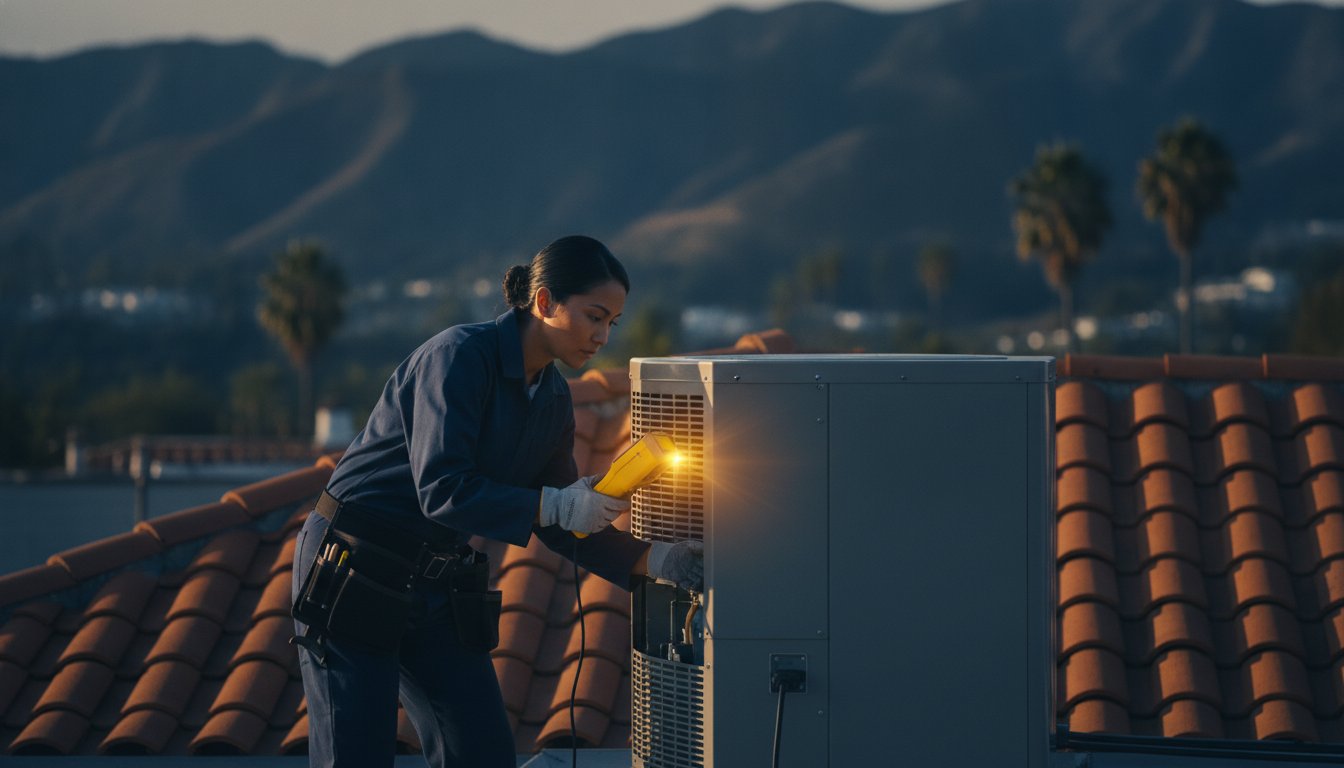
A professional diagnostic visit is about more than just mopping up a mess. We use high-tech tools to identify hidden issues that a visual inspection might miss. Whether it's a hairline crack in a secondary pan or a subtle pressure imbalance, we provide a clear explanation of the problem and a tailored plan to fix it. We believe in craftsmanship and dependability, ensuring every repair meets the high standards our neighbors have come to expect since we opened our doors.
The Nice and Cool Club Maintenance Plan
Prevention is the most effective tool in any homeowner's kit. Our Nice and Cool Club Maintenance Plan offers bi-annual precision tune-ups designed to catch the issues we've discussed, like sludge buildup and coil freezing, before they cause a flood. These visits include a thorough clearing of your drain lines and a check of refrigerant levels to ensure your system operates at peak performance. Beyond the technical benefits, routine care is a requirement for maintaining your manufacturer warranty and staying within 2026 SEER2 compliance. Club members also receive priority service during those intense Los Angeles summer months when wait times for non-members can often spike.
Why Los Angeles Homeowners Trust Nice and Cool Inc.
We are a family-owned business that has been serving Los Angeles County since 2005. This local roots perspective means we treat your home with the same care we'd give our own neighbors. Our team pairs this neighborly warmth with professional expertise to provide accurate, honest solutions. Whether you have a traditional central air system or you're interested in a high-efficiency heat pump installation, we have the specialized knowledge to keep your home dry and comfortable. Our commitment to honesty is our hallmark; we only recommend repairs or replacements that truly protect your home's structural integrity and your family's long-term comfort.
Secure Your Comfort and Your Home's Value
Finding an ac leaking water inside house is a stressful surprise, but it's also an opportunity to ensure your system is running at peak efficiency for years to come. By taking immediate action to cut power and clear standing water, you've already handled the most critical steps in protecting your property. Remember that unique Los Angeles environmental stressors, like fine dust and Santa Ana winds, require a specialized touch to keep drainage lines clear and compliant with 2026 SEER2 standards. A proactive approach today prevents the "domino effect" of mold and structural damage tomorrow.
Our family-owned team has been serving Los Angeles County since 2005, and we take pride in being the neighborly experts you can trust for dependable results. Whether you need an urgent repair or want to join the Nice and Cool Club for long-term reliability and peace of mind, we're here to help you stay dry. Our specialists are ready to tailor a solution that fits your specific needs and keeps your home comfortable throughout the hottest months. Schedule your professional AC leak diagnostic with Nice and Cool Inc. today! You don't have to face system failures alone; we're just a call away from restoring your home's comfort.
Frequently Asked Questions
Is it dangerous if my AC unit is leaking water inside the house?
Yes, finding water leaking from your system is dangerous because it can lead to electrical shorts, fire hazards, and rapid mold growth. If moisture reaches your furnace or electrical panels, it poses a direct risk to your home's safety. Beyond the immediate physical dangers, standing water can compromise your home's structural integrity by rotting floorboards or drywall. We always recommend shutting down the system at the breaker if you see water near any electrical components.
Can I still run my AC if it is leaking water?
You should never continue running your system when you find your ac leaking water inside house. Operating a leaking unit can cause the internal components to work harder, potentially leading to a total compressor failure or a massive ice buildup. Shutting it off immediately limits the amount of condensation being produced and protects your floors from further saturation. It's better to deal with a few hours of heat than a costly structural repair later.
How much does it cost to fix an AC water leak in Los Angeles?
Repair costs in Los Angeles vary significantly based on the root cause of the leak. While a simple drain cleaning is generally straightforward, replacing a cracked evaporator coil or a rusted drain pan requires more extensive labor. Because labor rates in Southern California are approximately 15% higher than the national average due to the local cost of living, professional repair prices reflect these market standards. You should always request a detailed diagnostic to understand the specific scope of work required.
Why is my AC leaking water when the power is off?
If your system leaks after it has been turned off, you are likely witnessing the "thaw out" of frozen evaporator coils. When the unit is running, the ice remains solid, but once the power is cut, the ambient air causes that block of ice to melt rapidly. This sudden volume of water often exceeds the capacity of your drain pan, resulting in a flood. This is a clear sign that your system has a refrigerant issue or significant airflow restriction.
Can a dirty air filter really cause a water leak?
A dirty air filter is one of the most common reasons for an ac leaking water inside house. When a filter is matted with dust, it blocks the warm return air from reaching the evaporator coils. This causes the coils to drop below freezing temperatures, turning the condensation into ice. Once that ice melts, it bypasses the drainage system. Replacing your filter every 30 to 90 days is the easiest way to prevent this specific type of moisture damage.
How do I find the condensate drain line on my AC unit?
You can typically find the condensate drain line by looking for a small PVC pipe connected to the indoor air handler. This pipe usually leads to a floor drain or through an exterior wall. Outside your home, the line often terminates near the ground or above a window. If you aren't sure which pipe is the correct one, look for the line that is actively dripping water while the air conditioner is running during a warm Los Angeles afternoon.
What does it mean if water is dripping from my ceiling AC vent?
Water dripping from a ceiling vent is usually a sign that your primary drain line is completely blocked and the secondary safety system has failed. In many Los Angeles homes, the air handler is located in the attic. If the primary line clogs and the emergency pan overflows or isn't installed correctly, water will seep through your insulation and drywall. This is a high priority situation that requires immediate professional attention to prevent your ceiling from collapsing.
How can I prevent my AC drain line from clogging again?
The most effective way to prevent future clogs is through consistent preventative care. We recommend flushing your drain line with a dedicated solution during your bi-annual tune ups to remove the sludge caused by local dust. Joining a program like our Nice and Cool Club Maintenance Plan ensures that an expert technician inspects your drainage system before the peak summer heat. Keeping your air filters clean and ensuring your outdoor unit is free of debris also reduces the strain on your indoor components.
Frequently Asked Questions
Yes, finding water leaking from your system is dangerous because it can lead to electrical shorts, fire hazards, and rapid mold growth. If moisture reaches your furnace or electrical panels, it poses a direct risk to your home's safety. Beyond the immediate physical dangers, standing water can compromise your home's structural integrity by rotting floorboards or drywall. We always recommend shutting down the system at the breaker if you see water near any electrical components.