Expert Heat Pump Repair in Los Angeles: 2026 Homeowner's Guide
July 23, 2026 19 min read
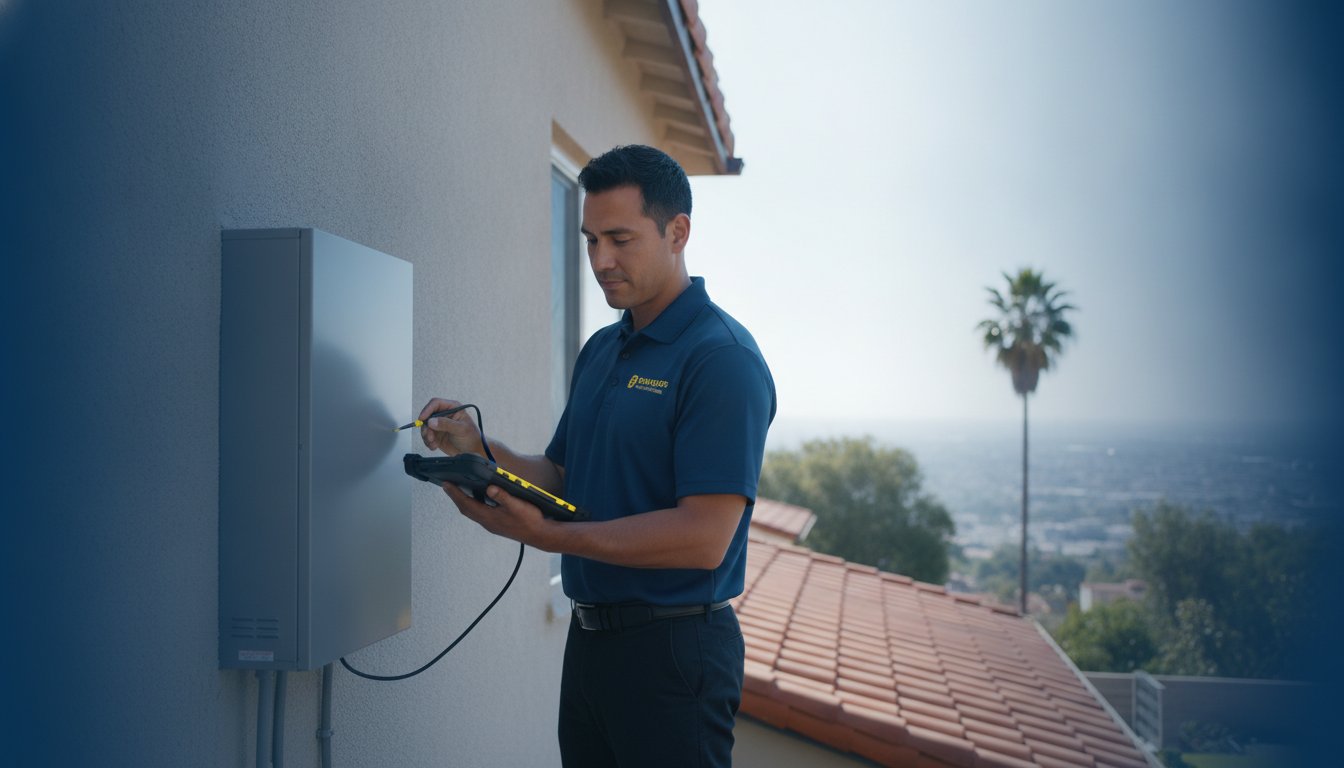
Imagine waking up to a sweltering July morning in the Hills, only to find your heat pump blowing lukewarm air because it can't handle the latest grid demands or the coastal humidity. Whether you're dealing with uneven cooling in a multi-story home or salt air corrosion near the beach, needing a heat pump repair los angeles specialist shouldn't feel like a high-pressure sales pitch. It's a common frustration to see your electricity bills climb while your comfort drops, especially with the 2026 Title 24 energy standards making the technical side of your home feel more complex than ever.
We're here to help you get your home comfort back on track with expert diagnostics and local solutions tailored to our unique climate. This guide provides a clear understanding of the repair versus replace math for 2026, helping you navigate new refrigerant standards and local rebate opportunities without the confusing jargon. You'll learn exactly how to restore your system's efficiency, lower your monthly energy costs, and ensure your equipment is ready for the years ahead.
Key Takeaways
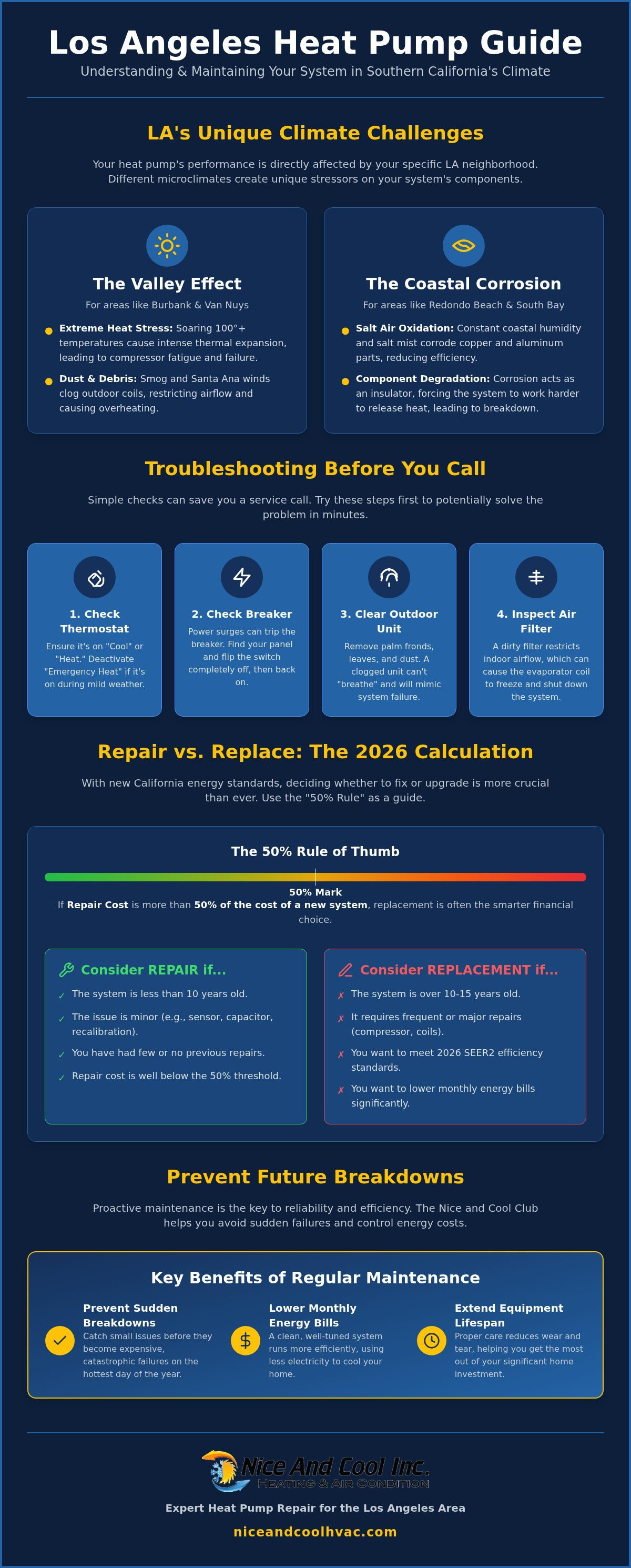
- Understand how Los Angeles microclimates, from San Fernando Valley heat to coastal salt air, uniquely stress your system's components.
- Learn simple troubleshooting steps like checking emergency settings and clearing local debris to potentially restore comfort before calling for service.
- Navigate the "50% Rule" and 2026 SEER2 efficiency benchmarks to determine if a heat pump repair los angeles service or a full replacement is your best financial move.
- Discover how proactive maintenance through the Nice and Cool Club can prevent sudden breakdowns and keep your monthly energy bills under control.
Common Causes of Heat Pump Failure in Los Angeles
Los Angeles isn't just one climate; it's a collection of microclimates that each challenge your HVAC system in different ways. If you live in the San Fernando Valley, your unit faces a completely different set of stressors than a home in Redondo Beach. Identifying these geographic quirks is the first step toward a lasting heat pump repair los angeles solution that actually fits your neighborhood's needs. From extreme thermal expansion to the silent creep of salt air, your system is constantly reacting to its environment.
The "Valley Effect" is perhaps the most common cause of premature compressor failure in areas like Burbank, Van Nuys, and Northridge. During our long summer heatwaves, temperatures often soar past 100 degrees. This creates intense thermal expansion within the unit's metal components. When the system is forced to cycle on and off in this heat, the internal stress on the compressor becomes immense. Over time, this leads to mechanical fatigue that can cause the system to seize up exactly when you need it most.
Our local power grid also presents unique challenges. During peak demand periods, fluctuating voltage can damage the sensitive electronics found in modern high-efficiency systems. Sometimes, the issue is a mechanical failure of the reversing valve. This specific part is essential to how a heat pump works, as it allows the system to switch between heating and cooling modes. If this valve gets stuck, you might find yourself trapped in "Cool" mode during a rare chilly LA night, or vice versa.
Microclimate Impact: The Valley vs. The Coast
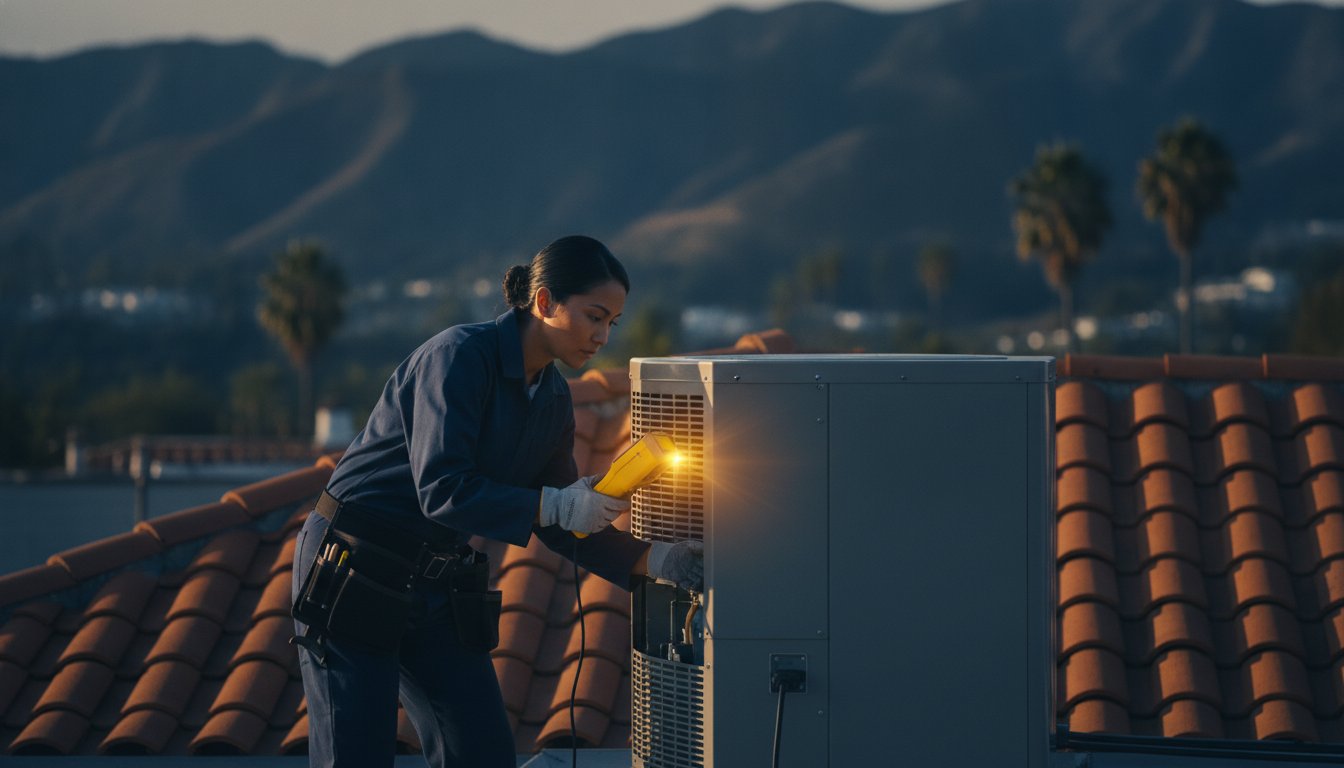
Whether you're dealing with the dust of the Valley or the mist of the South Bay, your outdoor coils are under constant siege. In the Valley, fine particulate matter from smog and seasonal Santa Ana winds clogs the delicate fins, restricting airflow and causing the system to overheat. On the coast, salt air leads to rapid oxidation of the copper and aluminum components. This corrosion acts as an insulator, making it much harder for the system to release heat. If left uncleaned, these environmental factors will eventually lead to a total system breakdown.
Thermostat and Sensor Miscalibration
Modern 2026 heat pumps rely on a sophisticated network of sensors to monitor outdoor ambient temperatures. If a single sensor fails, the entire system's logic can be thrown off. We often see cases where advanced smart thermostats "clash" with the proprietary software of the heat pump. If your system is cycling too frequently or refusing to reach the set temperature, the fix is often a simple sensor replacement or a control board recalibration. This targeted approach prevents the need for an expensive compressor swap and keeps your home comfort on track.
Troubleshooting Your LA Heat Pump Before Calling a Pro
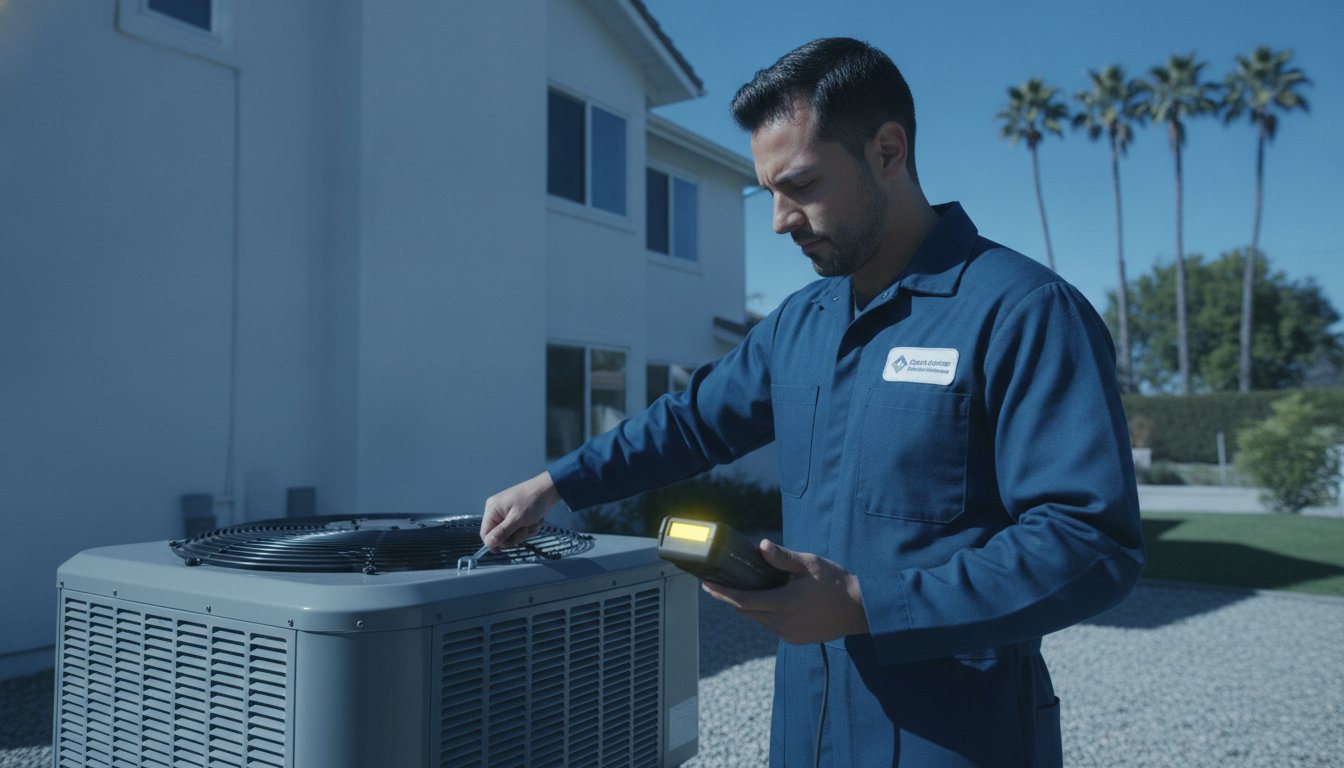
It is frustrating when your home comfort suddenly disappears, but not every system hiccup requires a professional service call. Before you search for heat pump repair los angeles and book an emergency appointment, there are several simple checks you can perform. Taking ten minutes to inspect your system can often save you the cost of a diagnostic fee, especially if the issue is a simple setting or a minor blockage.
Whether your system is completely unresponsive or just underperforming, start with the thermostat settings. If you see "Emergency Heat" or "Auxiliary Heat" active on your display, your system is bypassing its high-efficiency cycle and using electric heat strips. This is normal during a rare frost, but if it stays on during a mild LA afternoon, it signals that the outdoor unit is struggling to pull heat from the air. Understanding Heat Pump Basics can help you identify when the system is working harder than it should. If your unit is totally dead, check your electrical panel. Los Angeles power surges can occasionally trip the breaker; if this happens, simply flip the switch to "off" and then back to "on" to reset the logic board.
Airflow is the lifeblood of your heat pump. In our local neighborhoods, palm fronds, dried bougainvillea, and layers of dust from Santa Ana winds can quickly clog the outdoor unit. If your outdoor unit is buried in debris, your system will struggle to breathe, which mimics a mechanical failure. Maintaining your landscape is essential; for those in arid desert environments, Sonora Sprinkler Inc. provides specialized irrigation and yard design to keep outdoor spaces healthy and clear of debris that could impact home systems. Indoors, check your air filter. While we recommend MERV 13 filters for superior indoor air quality, they can become a liability if they aren't changed regularly. A heavily clogged filter restricts airflow so much that the evaporator coil may freeze over, leading to a system shutdown.Identifying Strange Sounds and Smells
Your ears and nose are excellent diagnostic tools. If you hear a loud grinding sound, it often points to a failing fan motor bearing that needs immediate attention. A sweet or chemical smell usually indicates a refrigerant leak, which requires a certified technician to handle the new A2L refrigerants used in 2026 models. Conversely, a brief hissing sound followed by a puff of steam from the outdoor unit is often just the "defrost mode" doing its job. If these sounds persist or are accompanied by a loss of cooling, it is time for a professional look.
Visual Inspection of the Condensate Line
Los Angeles humidity, though lower than in other regions, can still cause significant moisture buildup. If your condensate drain line becomes clogged with algae or dust, the safety float switch will trigger a system shutdown to prevent water damage. Check the drain pan for standing water or look for ice buildup on the copper lines. If your system is running but the air isn't chilly, you might find our guide on AC Not Blowing Cold Air in Los Angeles? helpful for specific cooling issues. If these DIY steps don't restore your comfort, our team at Nice and Cool Inc. is ready to provide a precise, neighborly diagnostic to get your system back on track.
Repair vs. Replace: Navigating 2026 Standards in California
Deciding whether to fix your current unit or invest in a new one is a significant choice for any homeowner. In our experience, the "50% Rule" is the most reliable benchmark. If a heat pump repair los angeles quote exceeds half the value of your existing system, a replacement is often the more logical financial path. This is especially true now that the California 2025 Energy Code (Title 24) went into full effect on January 1, 2026. This code established heat pumps as the default for residential comfort, meaning the industry has pivoted toward high-efficiency technology that older systems simply can't match.
Efficiency standards have also evolved. We now measure performance using SEER2 and HSPF2 benchmarks, which provide a more accurate look at how a system handles the specific climate cycles of Southern California. Older units typically operate on R-410A or even R-22 refrigerants, which are being phased out in favor of lower Global Warming Potential (GWP) alternatives like R-454B. These new A2L refrigerants are highly efficient but require specialized handling. If your current system is leaking an obsolete refrigerant, the cost of the chemicals alone can sometimes outweigh the benefits of a patch-up repair.
We believe in helping you make the most informed choice for your specific home. With 78.8% of housing units in the Los Angeles metro area built before 1990, many local systems are reaching the end of their functional lifespan. While a repair can often buy you a few more seasons of comfort, a new system provides the peace of mind that comes with modern safety sensors and significantly lower monthly operating costs.
The True Cost of Keeping an Older System
A ten-year-old heat pump in Los Angeles often works twice as hard to produce the same amount of cooling as a modern SEER2-rated unit. This energy waste shows up every month on your utility bill. When you factor in the rising cost of legacy refrigerants and the likelihood of secondary component failures, the "cheap" repair can become a recurring expense. If you're curious about what a modern transition looks like, you can explore our pillar guide on Heat Pump Installation in Los Angeles to compare your options.
2026 Rebates for Los Angeles Homeowners
While the federal 25C tax credit expired at the end of 2025, several local opportunities remain active in 2026. Programs through the LADWP and SCE frequently offer rebates for homeowners who upgrade to qualifying high-efficiency systems. It's also worth noting that some state-level incentives, like TECH Clean California, are currently waitlisted due to high demand. Our team focuses on maximizing your system's lifespan whenever possible, but we'll always be honest if a repair doesn't make sense given the current rebate landscape.
Preventing Future Repairs: The Nice and Cool Club
The most effective way to avoid a stressful weekend searching for heat pump repair los angeles is to catch small mechanical hitches before they turn into system-wide failures. Most emergency calls we receive could have been prevented with a simple seasonal check. Whether you have a central system or a ductless mini-split, a proactive approach is the most effective way to ensure your home stays comfortable year-round. Our goal is to move you away from reactive repairs and toward a predictable, efficient cooling and heating experience.
The Nice and Cool Club Maintenance Plan is designed to be more than just a surface-level inspection. In 2026, with the transition to more complex refrigerants and high-efficiency electronics, a professional tune-up requires a methodical approach. We verify that your system is operating within the specific parameters required by current energy codes. This precision helps your equipment run more efficiently, which directly lowers your monthly power bills. If you're ready to secure your home's long-term comfort, joining the Nice and Cool Club Maintenance Plan is the smartest first step you can take.
The Maintenance Checklist for Dual-Mode Systems
Because your heat pump works double duty in both summer and winter, it requires specialized attention that a standard air conditioner doesn't. We focus on the reversing valve to ensure smooth transitions between seasons, preventing the "stuck valve" issues that often lead to emergency calls. We also perform deep coil cleanings to combat the unique LA blend of smog and coastal dust. Tightening electrical connections is another priority; it's a simple step that prevents expensive surge damage to your system's sensitive control boards during peak grid demand.
Long-Term Reliability and Warranty Protection
Regular service is often a strict requirement for keeping your manufacturer’s warranty valid. If you skip professional maintenance, you might find yourself footing the entire bill for a part that should have been covered. We also help homeowners avoid the "Solar Cowboy" trap. These are out-of-town contractors who install systems and then disappear when a problem arises. As a family-owned business serving Los Angeles since 2005, we take pride in being a reliable local specialist. We don't just fix your system; we act as a partner in your home's long-term comfort, providing the personal accountability that only a neighborly business can offer.
Choose Nice and Cool Inc. for Heat Pump Repair in Los Angeles
Finding a service provider you can trust is just as important as the repair itself. Since 2005, Nice and Cool Inc. has operated as a family-owned business with deep roots in our local community. We understand that a heat pump repair los angeles isn't just a technical task; it's a commitment to your family's daily comfort and peace of mind. Whether you're in the heart of the city or the surrounding neighborhoods of Los Angeles County, we bring professional confidence and neighborly warmth to every doorstep. We avoid the high-pressure sales tactics common in the home services industry, opting instead for a solution-oriented approach that prioritizes your long-term interests over a quick sale.
Our team holds specialized expertise in both central heat pumps and ductless mini-split systems. This dual specialization is essential in 2026, as home comfort technology becomes increasingly sophisticated and integrated. Much like the high standards of residential care provided by Air Services Mechanical, we take immense pride in our reputation for honesty and a strong work ethic. By focusing on precision and high standards, we position ourselves as a dependable partner in your home's efficiency rather than a one-time service provider. You can expect transparent communication from the moment we arrive, ensuring you have a clear understanding of your system's health without any alienating technical jargon. We treat every home with the same level of care and systematic attention to detail that we would our own.
Whether you are dealing with a complex refrigerant transition or a simple airflow blockage, we provide the reassurance of local experience. Our history in the region means we're familiar with the specific brands and configurations common in Los Angeles housing. This background allows us to work efficiently, respecting your time and restoring your comfort as quickly as possible. We believe that professional craftsmanship should be accessible and approachable, which is why we focus on building lasting relationships with our neighbors through reliable, high-quality work.
Our Expert Diagnostic Process
We believe in treating the root cause of a problem rather than just masking the symptoms. Our technicians utilize a methodical diagnostic process to identify why a component failed, which prevents the same issue from resurfacing a few months later. If we find a failing part, we take the time to explain how it affects the rest of your system's performance. Whether your system requires a minor sensor recalibration or a more involved mechanical fix, we focus on tailoring the solution to your specific budget and home requirements. This commitment to craftsmanship ensures that every repair meets the highest industry standards for safety and performance.
Schedule Your LA Heat Pump Service Today
Booking your service call is a straightforward process designed with your convenience in mind. When you reach out to us, you can expect a steady and deliberate pace that addresses your concerns without feeling rushed or ignored. During the service call, our technician will walk you through their findings and provide a clear, logical path forward. We take the time to answer your questions and ensure you feel confident in the repair plan. If you are ready to restore your home's comfort with a team that truly cares about its reputation and its community, book your heat pump repair with Nice and Cool today!
Ensure Your Long-Term Home Comfort
Navigating the technical shifts of 2026 doesn't have to be overwhelming for Los Angeles homeowners. Whether you're deciding on a complex fix or considering a high-efficiency upgrade, the right information helps you protect your investment. By understanding how our local microclimates affect your equipment and staying ahead of the latest SEER2 efficiency standards, you can keep your monthly energy costs predictable and your indoor climate perfectly tempered. If your system is currently struggling, a professional heat pump repair los angeles can often restore peak performance without the need for a full replacement.
As a family-owned local business serving the community since 2005, we're here to act as your reliable guide. We focus on transparent diagnostics and craftsmanship that stands the test of time. Joining the Nice and Cool Club Maintenance Plan is the best way to secure peace of mind and prevent future emergencies before they start. If you're ready to get your home comfort back on track, Schedule Your Professional LA Heat Pump Repair Today. We look forward to helping you stay cool in the summer and warm in the winter with the neighborly service you deserve.
Frequently Asked Questions
How much does heat pump repair cost in Los Angeles in 2026?
Repair costs vary based on the specific component failure and the labor required to fix it. On average, homeowners in the Los Angeles metro area might see repair bills ranging from approximately $150 for minor electrical issues to over $2,000 for major compressor work. Most local contractors charge an hourly rate between $100 and $150; you should also expect a dispatch fee that often ranges from $80 to $300. If you need a precise quote, it's best to have a technician perform a diagnostic on your specific system.
Why is my heat pump blowing cold air in heat mode (or vice versa)?
This issue is often caused by a malfunctioning reversing valve or a thermostat communication error. The reversing valve is the component that physically switches the direction of the refrigerant flow. If it gets stuck, your system cannot change between heating and cooling modes. Alternatively, your outdoor unit might be in a temporary defrost mode, which can briefly blow cool air while it clears ice from the coils. If the air doesn't return to the correct temperature quickly, a professional diagnostic is necessary.
Can I fix a refrigerant leak myself in a heat pump system?
No, you cannot safely or legally repair a refrigerant leak yourself. In 2026, California regulations require EPA-certified professionals to handle and dispose of refrigerants, especially with the transition to mildly flammable A2L alternatives like R-454B. Attempting a DIY fix can damage your system beyond repair and lead to significant environmental fines. If you notice a sweet chemical smell or see ice on your lines, it's time to call for a heat pump repair los angeles specialist to handle the high-pressure system safely.
How long do heat pumps typically last in the Los Angeles climate?
A well-maintained heat pump usually lasts between 10 and 15 years in our local climate. While our winters are mild, the intense summer heat in the San Fernando Valley and the corrosive salt air along the coast can shorten this lifespan if you neglect regular service. This is a challenge shared by many coastal regions; for example, residents in Florida can discover Ray Brown Air and Heat to see how professionals manage salt-induced wear. Whether you are on the coast or further inland, routine maintenance helps your system reach the upper end of its functional life by keeping coils clean and electrical connections tight.
Is it worth repairing a 12-year-old heat pump or should I replace it?
Replacing the unit is often the better financial choice if your heat pump is 12 years old and requires a major repair. Most systems from that era use obsolete refrigerants and operate at much lower efficiency than modern SEER2-rated models. If the repair costs more than half the value of the system, whether because of parts or labor, then the energy savings from a new unit will usually pay for the difference over just a few years.
What are the current 2026 rebates for heat pump repairs in LA?
Rebates for repairs are generally limited, as most current incentives focus on full system upgrades to high-efficiency models. However, the LADWP and SCE occasionally offer "performance tuning" credits for professional maintenance that improves system efficiency. While the federal 25C tax credit expired at the end of 2025, you should check for active local programs that might cover specific high-efficiency component replacements. We recommend verifying current LADWP or SCE rebate amounts before committing to a major upgrade.
How often should I have my heat pump serviced in the San Fernando Valley?
You should have your system serviced twice a year if you live in high-heat areas like the San Fernando Valley. Because heat pumps provide both heating and cooling, they run nearly year-round and face significant thermal stress. The extreme summer temperatures and seasonal Santa Ana winds create heavy dust buildup that can clog your coils. A spring checkup ensures you're ready for the heat, while a fall visit prepares the reversing valve for our cooler winter nights.
Why is my outdoor unit making a loud buzzing or grinding noise?
A loud buzzing noise often indicates an electrical issue, such as a failing contactor or a struggling capacitor. If you hear a grinding sound, it usually points to a mechanical failure in the fan motor or the compressor itself. These sounds are early warning signs that a component is about to fail. If you ignore them, they can lead to a total system shutdown and more expensive repairs later on. It's always better to address these noises early to protect your system's longevity.
Frequently Asked Questions
Repair costs vary based on the specific component failure and the labor required to fix it. On average, homeowners in the Los Angeles metro area might see repair bills ranging from approximately $150 for minor electrical issues to over $2,000 for major compressor work. Most local contractors charge an hourly rate between $100 and $150; you should also expect a dispatch fee that often ranges from $80 to $300. If you need a precise quote, it's best to have a technician perform a diagnostic on your specific system.