How to Clean Ductless Mini Split Filters: The 2026 Homeowner’s Guide
July 22, 2026 19 min read
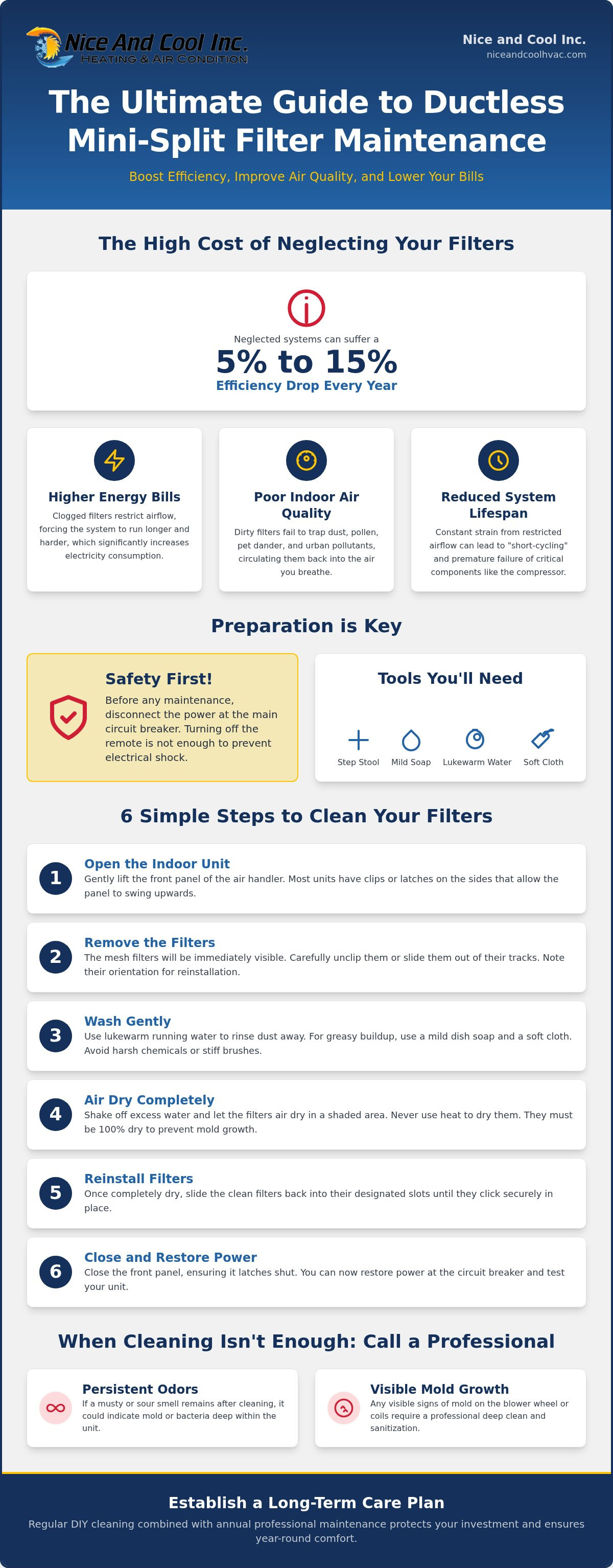
Did you know that neglecting basic maintenance can lead to a 5% to 15% drop in your system's efficiency every single year? In a city like Los Angeles, where urban dust and rising electricity rates are constant challenges, learning how to clean ductless mini split filters is the most effective DIY task you can perform to keep your home cool and your costs down. It is the first line of defense for your indoor air quality and your wallet.
It's completely understandable if you feel a bit hesitant about handling expensive HVAC components yourself. Whether you're worried about triggering allergies with dust build-up or you're afraid of accidentally damaging a delicate part, your concern shows you value your home's long-term comfort. This guide provides the exact steps to maintain your ductless system safely, improve your indoor air quality, and restore the powerful airflow you expect. We will cover everything from basic filter washing techniques to identifying when your unit needs a professional deep clean to stay running at peak performance through 2026 and beyond.
Key Takeaways
- Prioritize safety by disconnecting the power at the main source rather than just the remote before you begin any maintenance.
- Learn the exact steps for how to clean ductless mini split filters to restore maximum airflow and lower your monthly electricity costs.
- Understand the direct link between clean filters and improved indoor air quality, especially in dust-heavy areas like Los Angeles.
- Recognize the warning signs, such as unusual odors or mold growth, that indicate your unit needs professional attention beyond basic DIY cleaning.
- Establish a long-term care plan to protect your system's lifespan and ensure consistent home comfort throughout the year.
The High Cost of Neglecting Your Mini-Split Filters in 2026
Living in Los Angeles means dealing with a unique set of environmental challenges. From the fine urban smog that settles over the basin to the heavy dust carried by Santa Ana winds, your home's air filters are under constant pressure. If you own a ductless system, those small mesh screens are the only thing standing between your family and a cocktail of outdoor pollutants. Understanding how to clean ductless mini split filters isn't just about tidiness; it's a vital part of protecting your investment. When these filters become clogged, they don't just stop catching dust; they begin to compromise the entire mechanical integrity of your unit.
How Clogged Filters Impact Your Home’s Energy Efficiency
Your mini-split relies on a delicate balance of airflow to transfer heat effectively. To understand why this matters, it helps to look at how a heat pump works through the vapor-compression cycle. If the air can't pass freely over the evaporator coils, the system cannot shed or absorb heat efficiently. This forces the blower motor to run at higher speeds for longer durations, which directly impacts your SEER2 rating and performance. A 10% reduction in airflow can lead to a significant increase in energy consumption. Whether you are trying to stay cool during a July heatwave or warm during a chilly January night, a dirty filter acts like a chokehold on your utility budget.
This restricted airflow also leads to a frustrating phenomenon known as short-cycling. If the internal sensors detect that the unit is working too hard without achieving the target temperature, the system may shut down prematurely to protect itself. This constant starting and stopping places immense stress on the compressor. If left unaddressed, this behavior can cut years off your system's life and lead to expensive repairs that could have been easily avoided with a simple cleaning routine.
The Connection Between Filter Maintenance and Indoor Air Quality
Beyond the mechanical strain, neglected filters turn your HVAC system into a source of pollution rather than a solution. Ductless units are remarkably compact, which is great for aesthetics but means there is very little room for error when it comes to debris accumulation. Over time, these filters trap pet dander, pollen, and microscopic urban particulates. If left uncleaned, these contaminants can bypass the filter or become a breeding ground for bacteria. For homeowners looking for more comprehensive Indoor Air Quality solutions, starting with the basics of filter maintenance is essential. Learning how to clean ductless mini split filters ensures that the air circulating through your living room is actually fresh, not just recycled dust.
The compact design of these units means that dust doesn't just stay on the filter. If the filter is full, the suction from the blower fan can pull fine particles deeper into the unit's internal components, such as the blower wheel and drain pan. This makes your eventual professional maintenance much more difficult and can lead to musty odors that linger in your home. Keeping the filters clean is your first and most important line of defense for a healthy home environment.
Preparing for Maintenance: Tools, Safety, and Filter Identification
Before you begin the physical work, you need to set the stage for a safe and successful maintenance session. Proper preparation ensures that you don't just get the job done, but that you do it without risking your safety or the integrity of your equipment. If you've noticed the Los Angeles dust settling on your furniture, it's a certainty that your air handler is feeling the same pressure. Taking twenty minutes to prepare correctly will save you hours of potential frustration later. The process of learning how to clean ductless mini split filters starts with understanding the machine you're working on.
You don't need a professional's van full of equipment to maintain your system. Most of the essential tools are likely already in your kitchen or utility closet. You'll need a stable step stool or ladder, lukewarm water, a mild dish soap, and a soft, lint-free cloth. If your unit is mounted high on a wall, ensure your ladder is on level ground. Avoid using harsh chemical cleaners or high-pressure hoses, as these can easily warp the delicate plastic components or damage the specialized coatings on modern filtration systems.
Safety Protocols Before You Open Your Indoor Air Handler
The "Safety First" rule is the most critical part of this guide. You must disconnect the power at the source before touching any internal components. Simply turning the unit off with your remote or wall controller isn't enough, as some parts may still carry a live electrical charge or trigger an automatic restart. Locate your system's dedicated isolation switch near the outdoor condenser or flip the corresponding circuit breaker in your electrical panel. This is especially important for 2026 models that utilize new A2L refrigerants; while these are highly efficient, following manufacturer safety protocols is essential for peace of mind.
Once the power is cut, wait at least five minutes for the internal fan to stop spinning completely. When you finally lift the front cover, resist the urge to use a vacuum cleaner directly on the evaporator coils. The aluminum fins are incredibly thin and can bend with the slightest pressure, which would permanently restrict your airflow. If you're hesitant about navigating these internal parts, our specialists at Nice and Cool Inc. can provide a professional walkthrough during your next service for Ductless Mini-Split Systems.
Identifying Your Specific Mini-Split Filter Type
Whether you have a standard unit or a high-efficiency model, you'll typically find two types of filters inside. The primary filters are the large, washable mesh screens that cover the face of the evaporator coils. These are designed to be reused for years. However, many modern systems also include smaller, specialized inserts. For example, some Mitsubishi models use Catechin filters that require replacement every two years, or Enzyme filters that should be swapped out once they become discolored.
Inspect the mesh for any signs of physical damage like tears or a brittle frame before you start washing. If the mesh is compromised, the filter can't do its job, and dust will bypass it to clog your internal blower wheel. If the filter looks intact, you can proceed with the cleaning. If you find that your system uses disposable inserts, check your owner's manual for the specific part number to ensure you maintain the high SEER2 efficiency your system was designed to deliver.
Step-by-Step Guide: How to Clean Your Ductless Mini-Split Filters
Once you have secured your power source and gathered your supplies, it's time to perform the actual maintenance. This process is straightforward, but it requires a gentle touch to avoid damaging the specialized components of your 2026 system. Most homeowners find that once they've done this once, the entire routine takes less than fifteen minutes per indoor unit. If you follow these steps precisely, you'll ensure your system continues to provide the crisp, efficient cooling that Los Angeles summers demand.
The Removal and Initial Debris Inspection Process
Begin by positioning your ladder or step stool so you can comfortably reach both sides of the indoor air handler. Place your hands on the small indentations typically found on the left and right sides of the front panel. Lift the panel upward with steady, even pressure until you feel the hinges reach their maximum extension. Most modern units feature a 'prop' mechanism or a locking notch that holds the panel open for you; ensure this is securely engaged before you let go. If the panel feels resistant, check for any small hidden screws that may be present on older models, though most 2026 units use a simple clip system.
With the panel open, you'll see the mesh filters covering the blue or silver evaporator coils. To remove them, gently slide the filters downward along their tracks to avoid snagging the mesh on the sharp evaporator fins. Before you head to the sink, take a moment to look at the debris. If the dust is a light gray, your home is likely well-sealed. If you notice dark, sooty buildup, it might be time to investigate external pollutants or frequent candle use in the home. This simple visual check is a great way to monitor your indoor air quality between professional visits.
Washing, Drying, and Reinstalling Your Filters Correctly
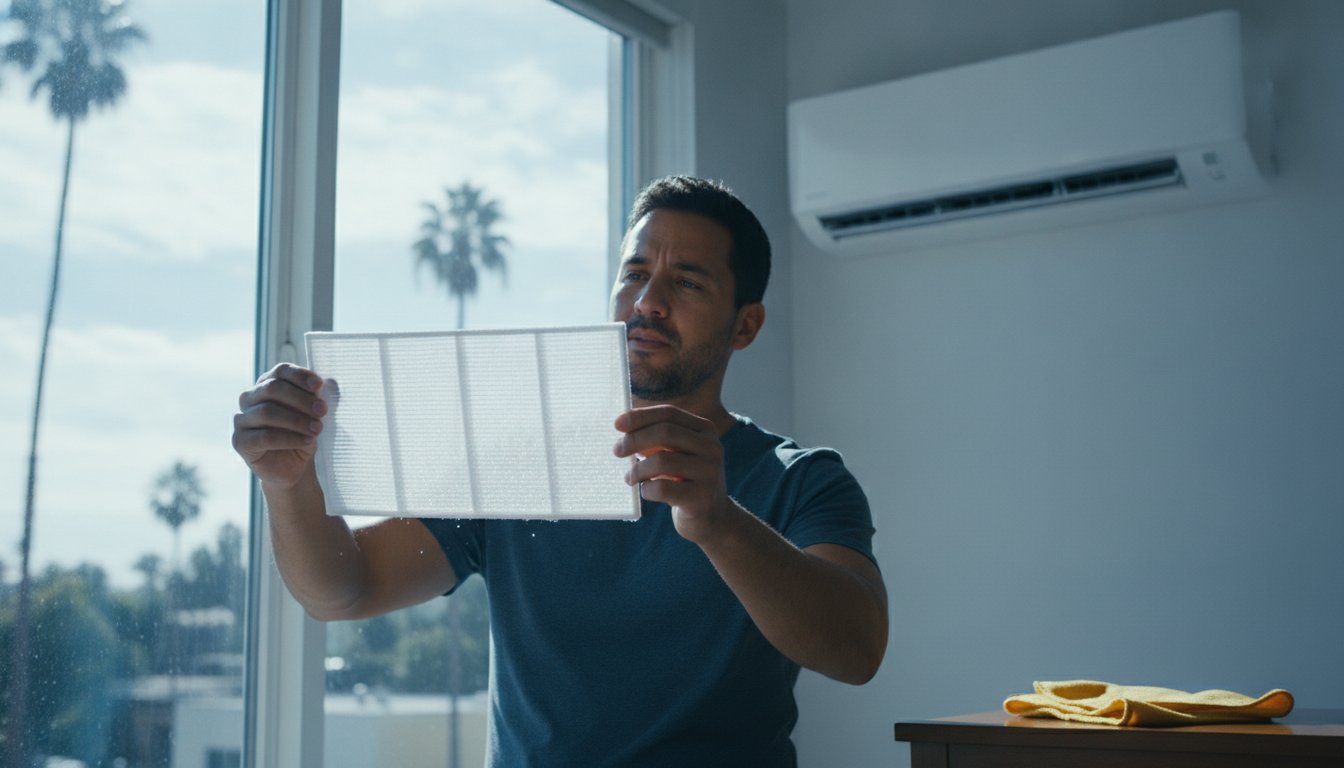
When you are ready to wash, take the filters to a large sink or a bathtub. The secret to how to clean ductless mini split filters effectively is using low-pressure, lukewarm water. Run the water through the filter from the clean side to the dirty side, which pushes the dust out of the mesh rather than forcing it deeper into the fibers. If the filters have a greasy film from kitchen oils or heavy pet dander, use a drop of mild dish soap and a soft brush to gently agitate the surface. Never use a high-pressure hose or a power washer, as these will stretch the mesh and allow dust to bypass the filter in the future.
The drying phase is the most critical part of the entire guide. You must allow the filters to air-dry completely before they go back into the unit. If you reinstall damp filters, you are essentially creating a petri dish for mold and mildew inside your dark, cool air handler. Place them on a clean towel in a well-ventilated area, but keep them out of direct sunlight, as intense UV rays can warp the plastic frames. Once they are 100% dry, slide them back into their tracks. Listen for the 'click' test; each filter should snap firmly into place. If the filter isn't fully seated, the front panel won't close correctly, and your unit may vibrate or whistle during operation. Close the panel, restore the power, and enjoy your restored airflow.
Beyond the Surface: When Cleaning the Filter Isn’t Enough
While mastering how to clean ductless mini split filters is the most important DIY task for a homeowner, it isn't a cure-all for every performance issue. If you've meticulously washed your mesh screens but still notice a lingering musty odor or weak airflow, the problem has likely moved into the internal components of the unit. In a high-activity environment like a Los Angeles home, fine particulates can eventually bypass the primary filters and settle on the evaporator coils or the blower wheel. This accumulation creates a persistent layer of grime that standard filter washing simply cannot reach.
One common symptom of deep-seated buildup is "Dirty Sock Syndrome." This occurs when bacteria and mold colonies thrive on the damp evaporator coils, releasing a pungent, vinegary smell whenever the system runs. If your unit continues to emit odors after the filters are dry and reinstalled, the microbial growth is likely embedded in the coil fins or the condensate drain pan. Similarly, if your system was neglected for a long period, the restricted airflow might have caused the coils to freeze. A frozen coil is a serious mechanical issue that requires the system to be thawed and inspected to prevent permanent compressor damage.
Signs Your Mini-Split Needs a Professional Deep Clean
Whether you are dealing with a new installation or a legacy system, look for visible black spots along the air louvers or the internal blower wheel. These spots are often a sign of mold growth that can aggravate respiratory issues and allergies. If you find that your unit is struggling to reach the set temperature despite having spotless filters, the internal heat exchange process is likely being blocked by a "blanket" of dust on the coils. For a more detailed breakdown of these symptoms, you can consult our AC not blowing cold air guide to help diagnose the specific cause of your system's underperformance.
Dealing with Mold, Odors, and Persistent Dust Build-Up
It can be tempting to reach for a generic hardware store spray to "freshen up" your unit, but DIY coil cleaners can often do more harm than good. If the chemical isn't rinsed perfectly, it can create a sticky residue that attracts even more dust, eventually turning into a thick sludge that clogs your condensate drain line. This line is responsible for carrying moisture away from your home; if it backs up, you risk water damage to your walls and even more severe mold issues. When DIY maintenance no longer provides the comfort you need, it's time to call a hvac service los angeles expert who can perform a professional hydro-clean. This specialized "wet wash" uses high-volume, low-pressure water and biodegradable cleaners to restore your unit to a factory-clean state.
Establishing a Long-Term Maintenance Strategy with Nice and Cool Inc.
Taking the time to learn how to clean ductless mini split filters is a fantastic way to take ownership of your home's comfort. This regular DIY effort keeps your airflow strong and your energy bills manageable between seasons. However, even the most diligent homeowner cannot see everything that goes on inside these complex machines. A professional technician brings specialized tools and years of experience to identify small issues, like a minor refrigerant leak or a loosening electrical connection, before they turn into a mid-summer emergency.
Whether you are managing a single unit or a multi-zone system, professional oversight ensures that your equipment operates at the peak efficiency promised by its SEER2 rating. Documented maintenance is also frequently a requirement for keeping your manufacturer warranty valid. If a major component fails and you cannot prove the system was professionally serviced, you might find yourself responsible for the full cost of the repair. Partnering with a reliable local specialist provides the paper trail and the peace of mind you need to protect your investment for the long haul.
The Nice and Cool Club: Hassle-Free Routine Care
We designed the Nice and Cool Club Maintenance Plan to take the guesswork out of HVAC care. Members of our club enjoy priority service during the busy Los Angeles heatwaves, along with significant discounts on any necessary repairs. Our technicians perform comprehensive tune-ups that go far beyond the surface, checking every component of your heat pump or AC unit to ensure maximum longevity. This proactive approach doesn't just prevent breakdowns; it keeps your system running so efficiently that the energy savings often help cover the cost of the plan itself. It's about tailoring our expertise to your specific household needs.
When to Schedule Professional HVAC Service in Los Angeles
In a high-dust urban environment like ours, a bi-annual inspection is the gold standard for system health. We recommend scheduling a visit in the spring to prepare for the cooling season and again in the fall to ensure your heating components are ready for the winter. This rhythm allows us to catch any wear and tear caused by our intense Santa Ana winds or summer heat spikes. As a family-owned and operated local business, we take immense pride in being the partner you can trust for your family's year-round comfort.
If your system is due for a check-up or if you've noticed it's not performing quite like it used to, don't wait for the next heatwave to find out why. Schedule your mini-split tune-up with Nice and Cool Inc. today and experience the difference that professional craftsmanship makes.
Protect Your Home Comfort for Years to Come
Maintaining a high-efficiency system in Los Angeles doesn't have to be overwhelming. By mastering how to clean ductless mini split filters every few weeks, you're actively fighting back against urban dust and rising utility costs. Remember that safety starts with a total power disconnect, and the most critical part of the process is ensuring those filters are completely dry before they go back into your unit. These simple habits protect your equipment and keep your indoor air quality at its best.
While your DIY efforts are vital, they work best when paired with expert oversight. Since 2005, our family-owned and operated team has specialized in the unique needs of high-efficiency ductless systems across LA County. We take pride in providing the craftsmanship and dependability your home deserves. To ensure your system stays in peak condition through every heatwave and Santa Ana wind event, Join the Nice and Cool Club for Expert Mini-Split Maintenance. We're here to act as your long-term partner in home comfort, providing you with the reliability and peace of mind that only a local specialist can offer. You've got this, and we're here to help whenever you need us.
Frequently Asked Questions
How often should I clean my ductless mini split filters in Los Angeles?
You should clean your filters every two to six weeks depending on your usage and the time of year. Because Los Angeles is prone to high urban dust and seasonal Santa Ana winds, your system likely works harder than those in cleaner climates. Learning how to clean ductless mini split filters and checking them monthly ensures you maintain the efficiency and air quality your system was designed to provide.
Can I run my mini split without the air filters for a short time?
No, you should never operate your system without the filters in place. Even a short period of operation allows dust and particulates to settle directly onto the evaporator coils and blower wheel. This debris is much harder to remove than washing a filter; it can lead to permanent efficiency loss, unpleasant odors, or even a total mechanical failure of the indoor unit.
What happens if I don't clean my mini split filters?
Neglecting your filters leads to restricted airflow, which forces the blower motor to work harder and spikes your monthly electricity costs. Over time, this strain can cause the system to short-cycle or the evaporator coils to freeze. Eventually, the accumulated dust will bypass the filter entirely, contaminating the internal components and requiring an expensive professional deep clean to restore proper function.
Do I need special chemicals to clean my mini split filters?
You don't need specialized chemicals for the primary mesh filters in most residential units. Lukewarm water and a few drops of mild dish soap are the safest and most effective options for removing household grime. Avoid using harsh household cleaners, bleach, or abrasive brushes, as these can degrade the plastic frame or damage the delicate mesh fibers over time.
Why does my mini split smell like vinegar even after I cleaned the filters?
A vinegary or musty smell usually indicates that bacteria or mold has grown on the evaporator coils or in the condensate drain pan. While you now know how to clean ductless mini split filters, that process only addresses the removable surface. If the odor persists, it means the contamination is deeper inside the unit and requires a professional hydro-clean to fully sanitize the system.
Can I use a vacuum cleaner to clean the mesh filters?
Yes, you can use a vacuum with a soft brush attachment for a quick surface clean between deeper washings. However, you should never press down hard or use high-suction settings, as this can stretch or tear the delicate mesh. For a thorough maintenance session, washing with water is still the best way to remove fine particulates that a vacuum might miss.
How do I know if my mini split filter needs to be replaced instead of cleaned?
You should replace the filter if you see any visible tears in the mesh, cracks in the plastic frame, or if the material has become brittle. Additionally, if your system uses specialized inserts like Catechin or Enzyme filters, these have specific lifespans and must be replaced rather than washed. Most manufacturers recommend replacing these specialized inserts every two years to maintain their air-purifying properties.
Is it safe to clean the outdoor unit filters myself?
Outdoor units don't typically have removable filters like the indoor air handlers, but the exterior coils do need to stay clear of debris. You can safely and gently hose off the outdoor fins with low pressure to remove dust, dirt, or leaves. If you see deep-seated grime or bent fins, it's best to contact a professional to avoid damaging the sensitive refrigeration circuit or the compressor.
Frequently Asked Questions
You should clean your filters every two to six weeks depending on your usage and the time of year. Because Los Angeles is prone to high urban dust and seasonal Santa Ana winds, your system likely works harder than those in cleaner climates. Learning how to clean ductless mini split filters and checking them monthly ensures you maintain the efficiency and air quality your system was designed to provide.