Single Zone vs. Multi-Zone Mini-Split: Which Is Right for Your Los Angeles Home?
September 1, 2026 17 min read
If you think installing one massive outdoor unit for your entire house is always the most efficient way to stay cool, you might actually be setting yourself up for higher energy bills. Choosing between a single zone vs multi zone mini split isn't just about the number of rooms, it's about matching technology to your home's specific thermal needs. We know how frustrating it is to watch utility rates climb while your living room stays icy and your bedroom feels like a sauna. You deserve a system that fits your lifestyle without the bulky ductwork or the noise that disrupts the neighborhood.
In this article, you'll discover the critical differences between these configurations so you can choose the most efficient cooling solution for your specific layout. We'll break down how California's 2026 SEER2 requirements impact your decision and how proper sizing prevents the "hot spot" problem common in many older Los Angeles homes. We'll also look at how these systems handle the latest eco-friendly refrigerants. By the end, you'll know exactly how to achieve lower monthly costs and precise temperature control in every room of your house.
Key Takeaways
- Learn how to weigh the single zone vs multi zone mini split options based on your home's specific layout and your family's daily routine.
- Discover why single-zone systems often offer the highest SEER2 efficiency for cooling a primary living area or a new home office.
- Understand the aesthetic and spatial advantages of multi-zone systems that utilize one outdoor condenser to serve several indoor air handlers.
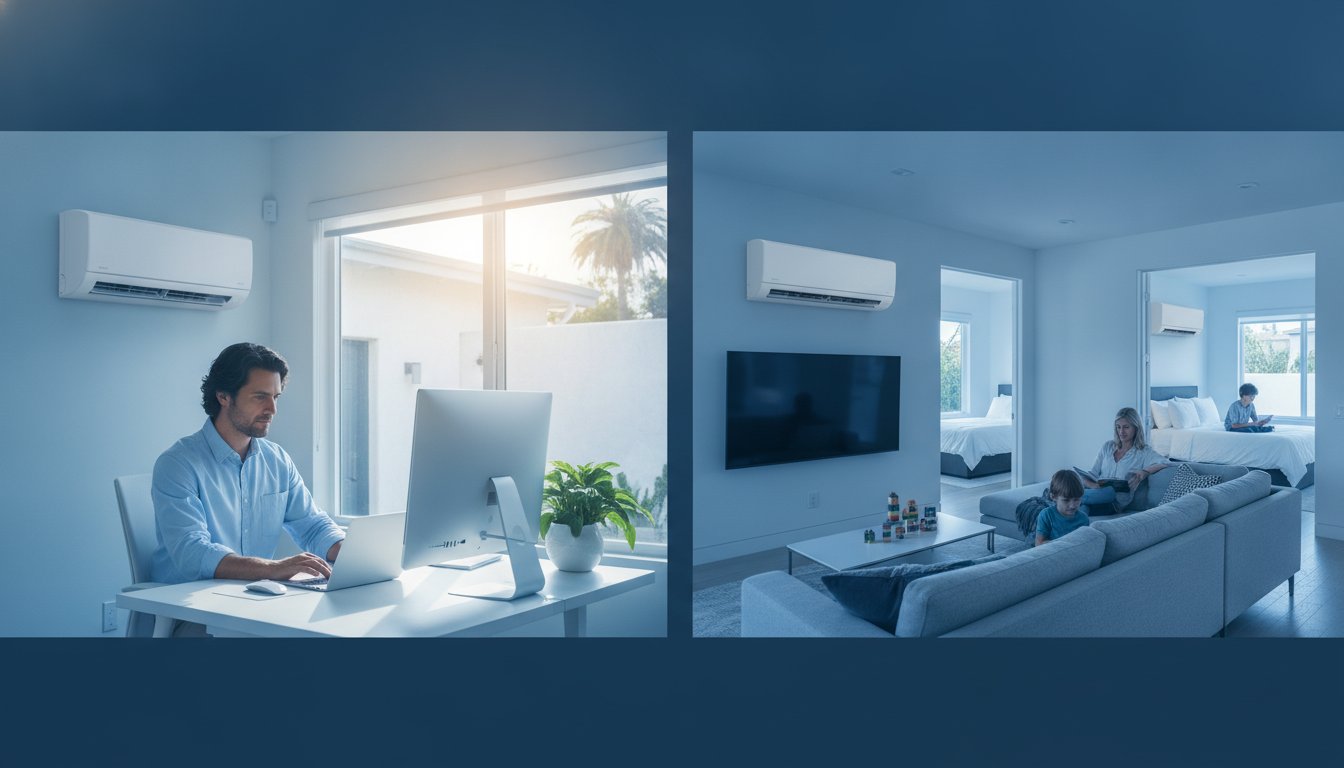
- Find out how to eliminate "thermostat wars" by providing each family member with precise temperature control in their own bedroom.
- Gain insights into the installation differences that impact your upfront investment and the long-term performance of your cooling system.
The Fundamentals of Ductless Mini-Split Zoning
A mini-split is essentially a high-efficiency heat pump system that operates without the need for bulky, traditional ductwork. This design is a game changer for Los Angeles homes where space is at a premium or where existing ducts are leaky and inefficient. The system consists of two primary parts: an outdoor condenser unit and at least one indoor air handler. These components are connected by small refrigerant lines and power cables, requiring only a tiny three-inch hole in the exterior wall.
Zoning is the core advantage of this technology. It allows you to create independent temperature "zones" throughout your house. Instead of cooling an entire floor just to make one bedroom comfortable, you can direct the air exactly where it's needed. This precision is vital for year-round comfort in Southern California. Whether you're dealing with a scorching August afternoon or a surprisingly brisk January evening, these systems provide both heating and cooling with incredible efficiency. Understanding the single zone vs multi zone mini split distinction starts with how you plan to use your living space.
What is a Single Zone System?
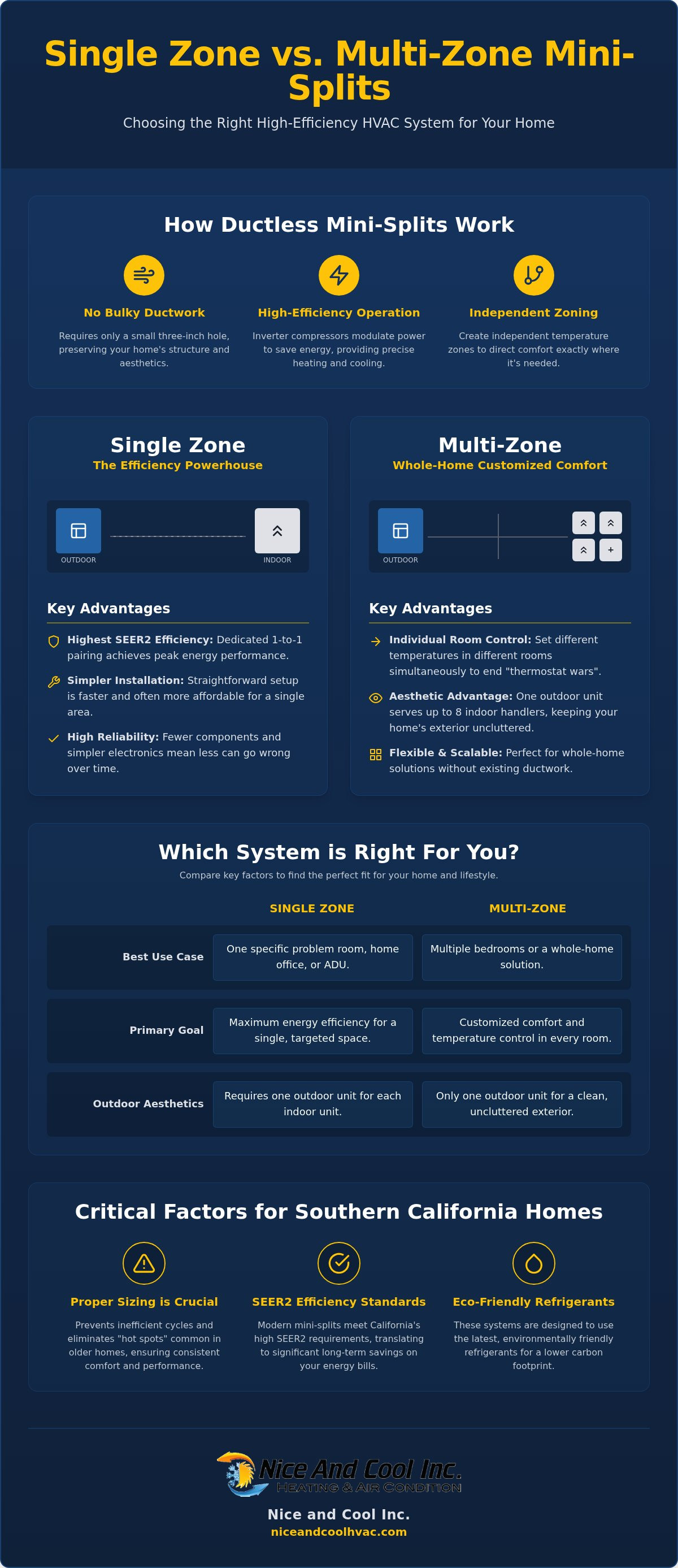
A single zone system is the simplest '1-to-1' HVAC configuration. It pairs one outdoor condenser with exactly one indoor air handler. This setup is ideal if you have a specific problem area, like a sunroom that never stays cool or a newly converted garage office. Because the outdoor unit is sized specifically for that one indoor head, these systems often achieve peak performance levels. If you only need to fix the temperature in a single room, this targeted approach is usually the most straightforward solution.
How Multi-Zone Systems Work
A multi-zone system utilizes one larger outdoor condenser to support multiple indoor units, sometimes up to eight different air handlers. Each indoor unit has its own dedicated refrigerant lines, allowing family members to set different temperatures in different rooms. This eliminates those common "thermostat wars" where one person is freezing while another is too warm.
The secret to this flexibility is the inverter compressor. Unlike traditional systems that are either fully on or fully off, an inverter modulates its power. It calculates exactly how much refrigerant is needed based on which zones are active. If only one bedroom is calling for air at night, the compressor slows down to a whisper, saving energy while maintaining a steady climate. When comparing a single zone vs multi zone mini split, the multi-zone option is the clear winner for whole-home comfort without the clutter of multiple outdoor units in your yard.
Single Zone Mini-Splits: The Efficiency Powerhouse for Specific Spaces
Many homeowners assume that a single zone system is merely a "starter" unit for small rooms. In reality, these systems are efficiency powerhouses. Because the outdoor compressor is dedicated to a single indoor air handler, it doesn't have to manage the complex refrigerant distribution required by larger setups. This simplified engineering often results in the highest SEER2 ratings available today. When you compare a single zone vs multi zone mini split, the single zone unit typically wins on pure energy performance for that specific space.
The simplicity extends to the installation process. There are no complex manifolds or long, branching refrigerant lines to hide. This makes single zone units a top choice for ac installation los angeles ca when you are adding a new room or converting an existing space. It's a straightforward "1-to-1" setup that gets your room comfortable quickly without disrupting the rest of your home.
Best Use Cases for Single Zone Units
If you have a detached garage conversion or one of the many Accessory Dwelling Units (ADUs) popping up across Los Angeles, then a single zone system is often the most logical fit. These units provide total independence from the main house's climate. They are also perfect for master suites where the central AC simply doesn't reach effectively, leaving you hot at night. While Forbes notes several major types of HVAC systems, the single zone mini-split stands out for its ability to solve specific "hot spot" problems in sunrooms or home offices with large, heat-absorbing windows.
The Maintenance and Longevity Advantage
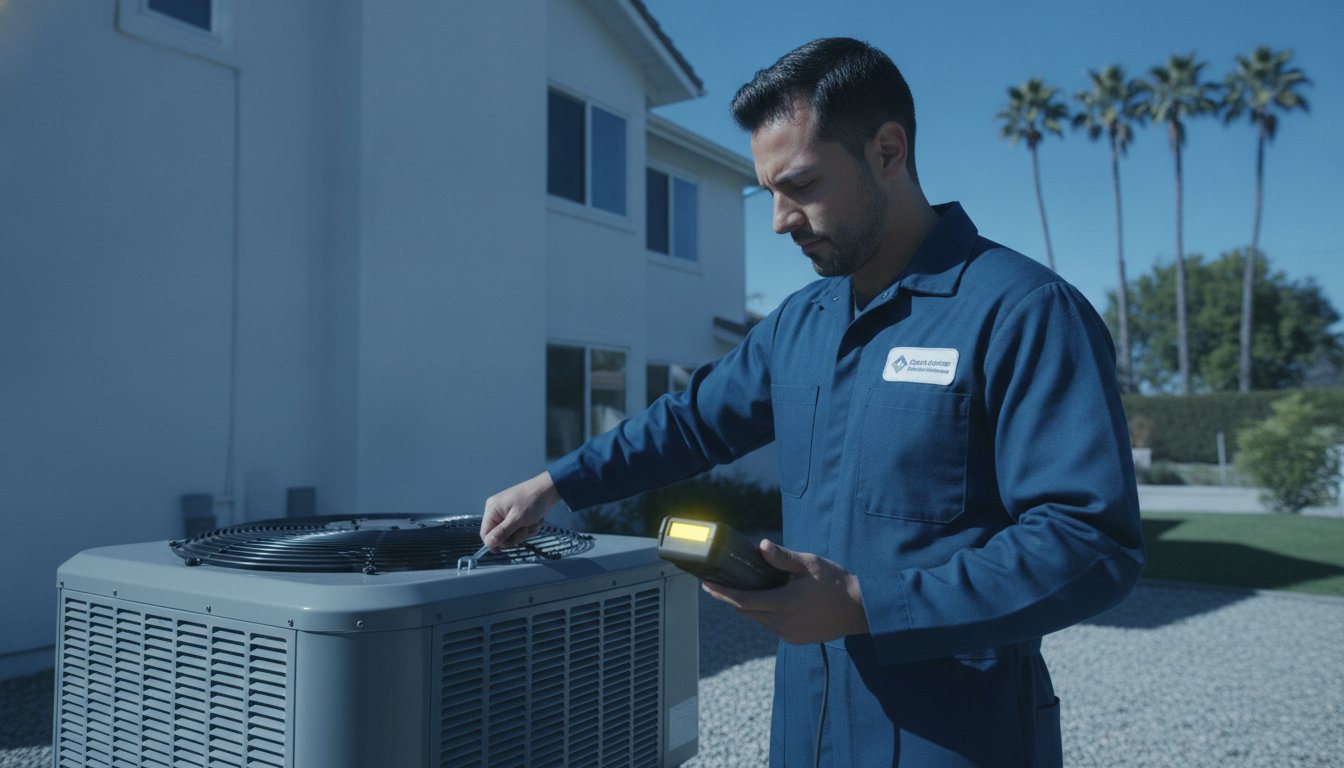
From a technical standpoint, single zone units are incredibly reliable. They have fewer moving parts and simpler electronic boards than multi-zone systems. This simplicity means there is less that can go wrong over the years. If a problem does arise, it's usually much faster for an hvac repairman to diagnose and fix the issue.
We often recommend these systems to members of our Nice and Cool Club because they are so easy to maintain. During routine checks, our specialists can focus on optimizing a single set of coils and one compressor, ensuring peak performance for a decade or more. When weighing the benefits of a single zone vs multi zone mini split, don't overlook the long-term savings of a dedicated compressor. If you are ready to fix a specific room's comfort, our team can help you size the perfect unit for your space.
Multi-Zone Mini-Splits: Whole-Home Comfort Without the Ductwork
If you want to cool multiple rooms without cluttering your patio with several outdoor units, then a multi-zone system is the logical choice. This setup allows you to connect up to eight indoor air handlers to one powerful outdoor condenser. It's an aesthetic win for Los Angeles homeowners who value their outdoor living space but still need a comprehensive cooling strategy. Beyond the look of your home, these systems solve the age-old problem of "thermostat wars." Each family member can set their own room to a precise temperature, ensuring everyone stays comfortable regardless of their personal preferences.
One of the most versatile aspects of this configuration is the ability to mix and match indoor units. You aren't limited to just wall-mounted units. Depending on your room's layout, you can install floor-mount units, ceiling cassettes, or even slim-duct models in different zones. This customization ensures that the air handler fits the room's function and design perfectly. When considering a single zone vs multi zone mini split, the multi-zone option provides true zoning. If a guest room is unoccupied, you can simply turn that unit off, which leads to substantial energy savings over time.
Flexibility and Independent Climate Control
Whether you live in a classic LA bungalow or a modern two-story home, the flexibility of a multi-zone system is hard to beat. A typical 3-zone system can handle a living room, a master bedroom, and a kitchen separately. Each indoor unit features its own fan speed settings and vane directions. This means you can have a gentle breeze in the bedroom while the living room unit works harder to combat the afternoon sun. For older homes that lack the space for traditional ductwork, this granular control provides a level of comfort that central air simply cannot match.
Technical Complexity: The Outdoor Unit Factor
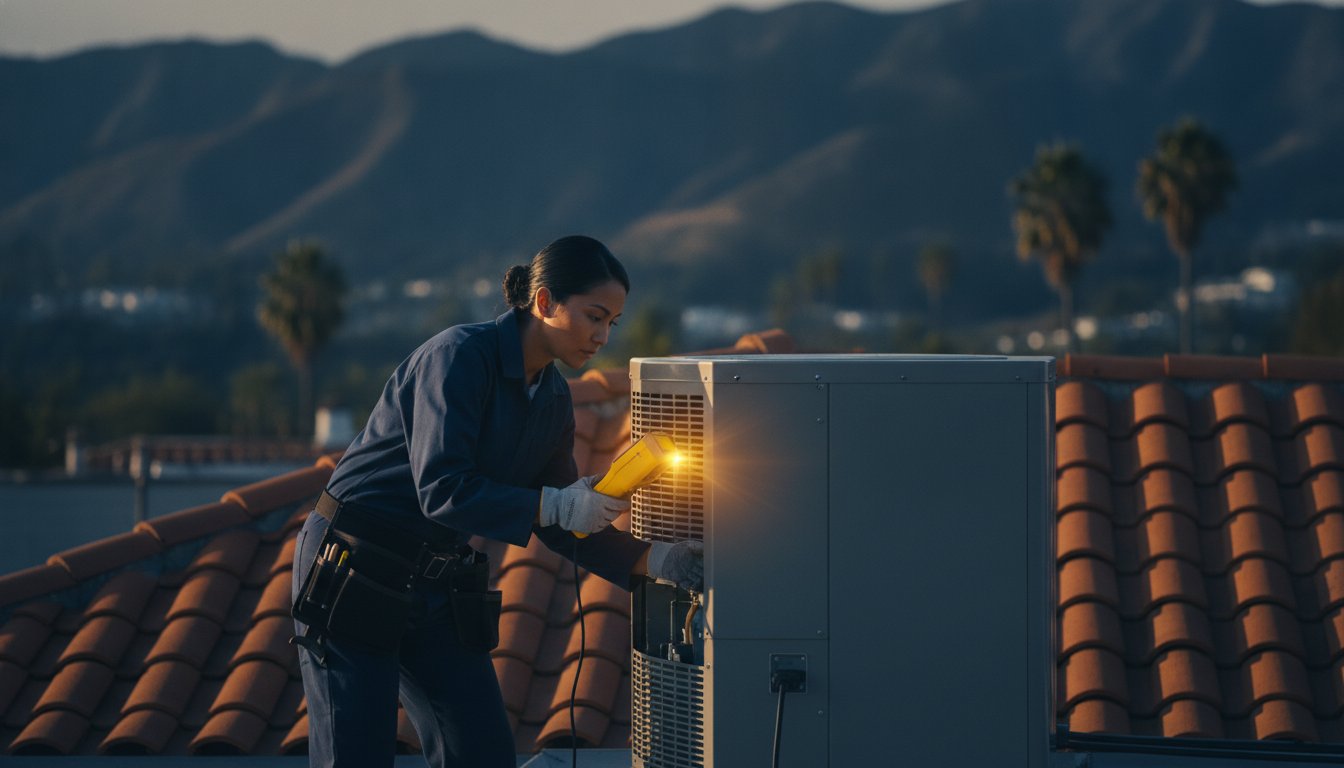
While the benefits are significant, multi-zone systems involve more technical complexity. These setups often require "branch boxes" to distribute refrigerant correctly to each room. This is where professional sizing by a "Reliable Local Specialist" becomes critical. If the outdoor unit is oversized, it may "short-cycle," which leads to uneven temperatures and unnecessary wear on the compressor.
There is also a "single point of failure" to consider. Unlike having several independent single-zone systems, a multi-zone setup relies on one condenser. If that outdoor unit requires a major repair, every room in the house loses cooling at once. This is a vital detail often missed in the single zone vs multi zone mini split debate. To mitigate this risk, we emphasize high-quality installation and regular maintenance through our Nice and Cool Club, ensuring your central heartbeat stays strong during the hottest Valley summers.
The Direct Comparison: Cost, Efficiency, and Installation in LA
Deciding between a single zone vs multi zone mini split involves more than just counting rooms; it requires a look at your long-term budget and your home’s architecture. From a pure equipment standpoint, a multi-zone condenser is a significant investment because it contains complex valving and a larger compressor to handle multiple rooms. However, installing three separate single-zone systems means paying for three separate electrical circuits and three sets of mounting hardware. In many Los Angeles neighborhoods, curb appeal is also a major factor in property value. Having one sleek unit tucked away on a side yard is often preferable to having several smaller units surrounding your home like a fleet of noisy appliances.
Efficiency is where the numbers get interesting. While 1:1 systems frequently boast the highest SEER2 ratings, sometimes exceeding 30, multi-zone systems often hover in the low 20s. This is because a multi-zone unit must always maintain enough pressure for the furthest room, even if only one zone is active. For a homeowner in the high-cost energy tiers of Southern California, these small percentage differences can add up on a monthly utility bill. You have to balance that raw efficiency against the convenience of whole-home control.
Upfront Investment vs. Long-Term Energy Savings
In a typical three-room setup, the equipment cost for a multi-zone system is usually higher than buying three basic single-zone units. You are paying for the advanced inverter technology that manages the refrigerant flow. While multi-zone equipment costs more, it saves space and provides unmatched lifestyle flexibility. If you plan to stay in your home for a decade or more, the ability to turn off the cooling in a guest room while keeping the master suite at a crisp 68 degrees will eventually offset the initial price gap. With California's 2026 energy codes requiring a minimum of 14.3 SEER2, every system we install today is designed to keep your operational costs as low as possible.
Installation Complexity in Los Angeles Homes
The layout of your property often dictates the single zone vs multi zone mini split choice. Many historic LA homes feature narrow crawlspaces and limited attic clearances that make running long refrigerant lines a difficult task. If the distance from the outdoor condenser to an indoor head is too great, the system’s performance can drop. We also have to consider local code requirements and permitting. Most jurisdictions in LA County require a mechanical permit, which typically costs between $250 and $400. To ensure your system meets these standards and operates at peak performance, you should schedule a professional sizing consultation to evaluate your home's unique thermal envelope.
Decision Guide: Which System Fits Your Southern California Lifestyle?
Choosing between a single zone vs multi zone mini split often comes down to your daily routine and the physical footprint of your property. If you spend most of your day in a home office but need the living room cool for evening relaxation, then a multi-zone system provides the lifestyle flexibility you need. However, if you are simply looking to make a new ADU habitable or fix a single "hot" bedroom, a dedicated single-zone unit is likely the more efficient choice. You should also look at your outdoor area. While one large condenser is great for saving space on a small patio, having room for multiple smaller condensers allows for greater redundancy and easier future repairs if one unit ever needs service.
Before you make a final purchase, a professional load calculation is essential. We use Manual J standards to determine exactly how much cooling power your home requires based on its specific thermal envelope. This prevents the common mistake of buying a system based on square footage alone, which often ignores the unique heat gain of your specific Los Angeles neighborhood. If you plan on adding more rooms to your home in the future, it is often better to install a multi-zone condenser now that has the capacity to support additional indoor heads later.
Sizing Your System for Los Angeles Microclimates
Los Angeles is a city of microclimates, and your HVAC system needs to reflect that. A home in Santa Monica deals with marine layers and higher humidity, requiring a system that excels at dehumidification. In contrast, a home in the San Fernando Valley faces intense dry heat that demands raw cooling power. We also account for window orientation and insulation levels. A south-facing room with large windows will need significantly more cooling than a shaded bedroom on the north side. If you "oversize" your system, it will cycle on and off too quickly. This results in uneven temperatures and a clammy feeling in the air because the unit didn't run long enough to remove moisture.
Why Professional Configuration is Non-Negotiable
While DIY kits are widely available, they often lack the build quality and precision of professional-grade systems. Ensuring the correct refrigerant charge is vital for the long-term reliability of your equipment. A system that is off by even a small amount can see a significant drop in efficiency and a shorter lifespan. At Nice and Cool Inc., we handle the complex configuration and electrical work so you don't have to worry about local code compliance. Our Nice and Cool Club Maintenance Plan then steps in to protect your investment from day one. This proactive care ensures that whether you chose a single zone vs multi zone mini split, your system remains a dependable partner in your home's comfort for years to come.
Take the Next Step Toward Smarter Home Comfort
Selecting the right configuration between a single zone vs multi zone mini split doesn't have to be a guessing game. If you need to solve a specific hot spot in a master suite or a new ADU, then a single-zone unit offers unmatched efficiency. Whether you're looking for a whole-home solution or simply want to reclaim your closet space from bulky ductwork, a multi-zone system provides the personalized control your family deserves. The most important factor is ensuring your system is sized correctly for our unique Southern California microclimates.
Since 2005, our family-owned business has provided expert Los Angeles installations with a focus on long-term reliability. Our NATE-certified technicians understand the technical nuances of these high-efficiency heat pumps. We don't just install a system and leave; we offer ongoing peace of mind through the Nice and Cool Club for priority service. You can schedule your ductless mini-split consultation with Nice and Cool Inc. today! We look forward to helping you create a quieter, cooler, and more efficient home environment that fits your lifestyle perfectly.
Frequently Asked Questions
Is it cheaper to run one multi-zone mini-split or three single-zone units?
Generally, three single-zone units are cheaper to run because they often have higher SEER2 ratings. When you evaluate a single zone vs multi zone mini split for efficiency, the single-zone unit wins because it doesn't have to maintain pressure for unused rooms. However, the upfront cost of electrical work for three separate units might offset these savings. It really depends on whether you frequently cool all rooms at once or just one specific area.
Can I add more indoor units to my multi-zone system later?
You can only add units if the outdoor condenser was originally sized with extra capacity and available ports. If you install a four-zone condenser but only use two heads initially, adding more later is simple. If the condenser is already at its limit, you would need to replace the outdoor unit or install a separate single-zone system for the new room. We always ask about your future renovation plans during the initial consultation.
Do multi-zone mini-splits require a lot of maintenance?
They require consistent care but not necessarily "more" maintenance than other high-end systems. Because one condenser handles multiple rooms, a single failure affects your entire home. We recommend joining the Nice and Cool Club for routine checks. This ensures the complex valving and refrigerant levels stay balanced, preventing small issues from turning into whole-home cooling failures. Proactive service is the best way to protect your comfort and your investment over time.
What is the maximum distance between the indoor and outdoor units?
Most residential systems allow for a distance of 65 to 100 feet between the components. However, performance decreases as the refrigerant lines get longer because the compressor has to work harder. In many Los Angeles homes with narrow side yards or multi-story layouts, we carefully calculate these distances during the design phase. This ensures your system meets manufacturer specifications for optimal efficiency and provides the cooling power you expect on a hot day.
How long do mini-split systems typically last in the Los Angeles climate?
A well-maintained system typically lasts between 12 and 15 years in our local climate. The mild coastal air in parts of LA is generally kind to equipment, but the intense heat in the Valley can put more strain on the condenser. Regular professional cleaning and filter changes are the most significant factors in reaching that 15-year mark. Our family-owned team has seen properly cared-for systems exceed these averages since we started in 2005.
Will a mini-split system increase my Los Angeles property value?
Yes, modern ductless systems are highly attractive to buyers because they offer energy efficiency and individual room control. In a competitive market like Los Angeles, having a system that eliminates bulky ductwork and lowers utility bills is a major selling point. This is especially true for older bungalows or ADUs where traditional central air might be difficult to install without significant remodeling. It's a smart investment for your home's long-term resale value.
Can a multi-zone system provide heating in one room and cooling in another simultaneously?
Standard residential multi-zone systems cannot heat and cool different rooms at the same time. The entire system must be in either "heating" or "cooling" mode because they share a single outdoor condenser. While you can set different temperatures in each room, they must all be working toward the same goal. If your family members have vastly different needs at the same time, installing separate single-zone units might be the better approach for your home.
What happens if the outdoor unit of a multi-zone system breaks?
If the outdoor condenser fails, every indoor unit connected to it will stop working. This risk is a major consideration in the single zone vs multi zone mini split debate. While a multi-zone system saves yard space, it creates one central point of failure for your cooling. To protect your home, we emphasize high-quality installation and routine checks through our maintenance club to keep the system running reliably through the hottest months.
Frequently Asked Questions
A single zone system is the simplest '1-to-1' HVAC configuration. It pairs one outdoor condenser with exactly one indoor air handler. This setup is ideal if you have a specific problem area, like a sunroom that never stays cool or a newly converted garage office. Because the outdoor unit is sized specifically for that one indoor head, these systems often achieve peak performance levels. If you only need to fix the temperature in a single room, this targeted approach is usually the most straightforward solution.