The Ultimate Preventative AC Maintenance Checklist for Homeowners in 2026
July 2, 2026 18 min read
Did you know that when temperatures in the Los Angeles basin climb over 100 degrees, the local air quality fails federal safety standards nearly 80 percent of the time? It's a stressful reality for Southern California homeowners. Between rising electricity costs and the fear of your system quitting during a record-breaking heatwave, keeping your home cool and healthy feels like a heavy responsibility. You shouldn't have to guess whether your unit will survive the summer or if your filters are actually catching the pollutants from the most ozone-polluted city in the country.
We believe your home should be a reliable sanctuary. This preventative AC maintenance checklist for homeowners is designed to take the guesswork out of your HVAC care so you can lower your monthly bills and extend your system's lifespan. You'll learn how to master essential DIY tasks and identify the technical requirements that need a professional touch. We will walk through everything from navigating 2026 MERV ratings to maximizing local LADWP rebates, ensuring your air conditioner runs with the precision and dependability you deserve.
Key Takeaways
- Discover how a proactive maintenance strategy significantly reduces monthly utility costs while protecting your system from the strain of 100-degree days.
- Learn to master our preventative AC maintenance checklist for homeowners, which separates simple monthly DIY tasks from complex annual professional requirements.
- Understand how to protect your equipment from unique Southern California challenges, including Santa Ana dust and wildfire smoke events.
- Identify why EPA-certified technicians are necessary for handling modern low-GWP refrigerants and testing sensitive electrical components like capacitors and relays.
- Explore how a structured maintenance plan provides peace of mind through priority service and scheduled tune-ups to keep your home comfortable year-round.
Why a Preventative AC Maintenance Checklist is Essential for 2026
Preventative AC maintenance is a proactive strategy rather than a reactive chore. It ensures your system operates at peak efficiency during the most demanding months of the year. If you follow a preventative AC maintenance checklist for homeowners, you aren't just cleaning parts; you're protecting a complex mechanical investment. This is especially true in 2026 as local efficiency standards have shifted. Whether your unit is brand new or a decade old, keeping it compliant with modern SEER2 performance expectations requires consistent, methodical attention. A well-maintained system doesn't just run better; it runs smarter, using less energy to achieve the same level of comfort.
Industry data suggests that routine care can prevent up to 80 percent of common emergency repairs. Most catastrophic failures start as minor issues, such as a clogged drain line or a worn capacitor, that go unnoticed until the system stops entirely. By identifying these small problems during a scheduled check, you avoid the stress and high costs of a system shutdown in the middle of a July heatwave. Understanding the basics of Heating, ventilation, and air conditioning (HVAC) systems helps homeowners appreciate how interconnected these components are. When one part struggles, the entire system pays the price.
The Financial Benefits of Regular Care
If you compare the cost of a seasonal tune-up to the expense of a full system failure, the return on investment is clear. A professional check-up ensures your coils stay clean and free of debris. When dust and grime coat these surfaces, your compressor has to work much harder to move heat out of your home. This extra strain leads to higher monthly Southern California Edison bills and accelerates internal wear. If the damage becomes too extensive, you might find yourself looking into AC installation Los Angeles CA much sooner than planned. Regular care keeps those high-efficiency ratings active, putting money back in your pocket every month through lower utility consumption.
Protecting Your Manufacturer Warranty
Most major HVAC brands include "neglect clauses" in their fine print. Whether you have a standard unit or a high-efficiency heat pump, manufacturers typically require proof of professional maintenance to honor part warranties. If a major component fails and you cannot produce service records, the manufacturer may deny your claim, leaving you responsible for the full repair cost. For 2026 HVAC systems, maintaining warranty compliance means documenting that a qualified professional has inspected the unit at least once a year. This simple step ensures that if a factory defect occurs, you are protected by the coverage you've already paid for.
The Homeowner DIY Maintenance Checklist: Monthly Tasks
Taking ownership of your home's comfort starts with a few simple, recurring habits. While some technical tasks require a specialist, a solid preventative AC maintenance checklist for homeowners empowers you to handle the basics that keep the air moving. Most major system failures originate from simple blockages or neglected cleaning. By spending twenty minutes once a month on these tasks, you create a more efficient environment and ensure your system doesn't have to fight against avoidable friction. It's the most effective way to stay ahead of the heat.
Mastering the Air Filter
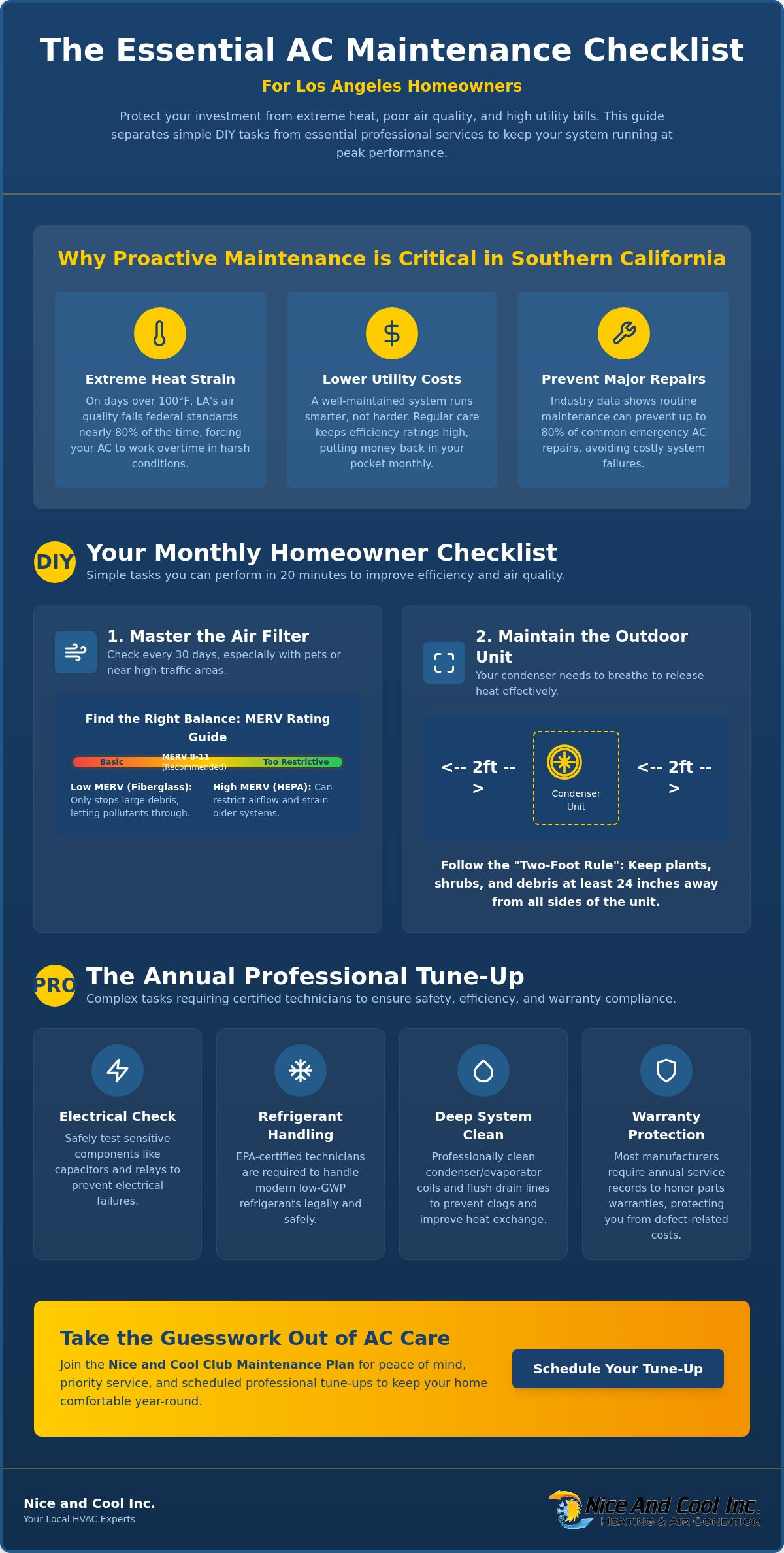
The air filter is your system's first line of defense against the heavy ozone and particulate matter common in Los Angeles. If you have pets or live near a busy corridor, you should check your filter every 30 days rather than waiting for the standard three-month window. Choosing the right filter is a balancing act. Cheap fiberglass filters only stop large debris, while high-end HEPA filters can sometimes restrict airflow too much for older motors. For most local homes, a pleated filter with a MERV 8 to MERV 11 rating provides the best balance of filtration and airflow. If you aren't sure which filter fits your specific system, exploring professional indoor air quality solutions can help you find a tailored fit that protects both your family and your equipment.
Maintaining the Outdoor Condenser
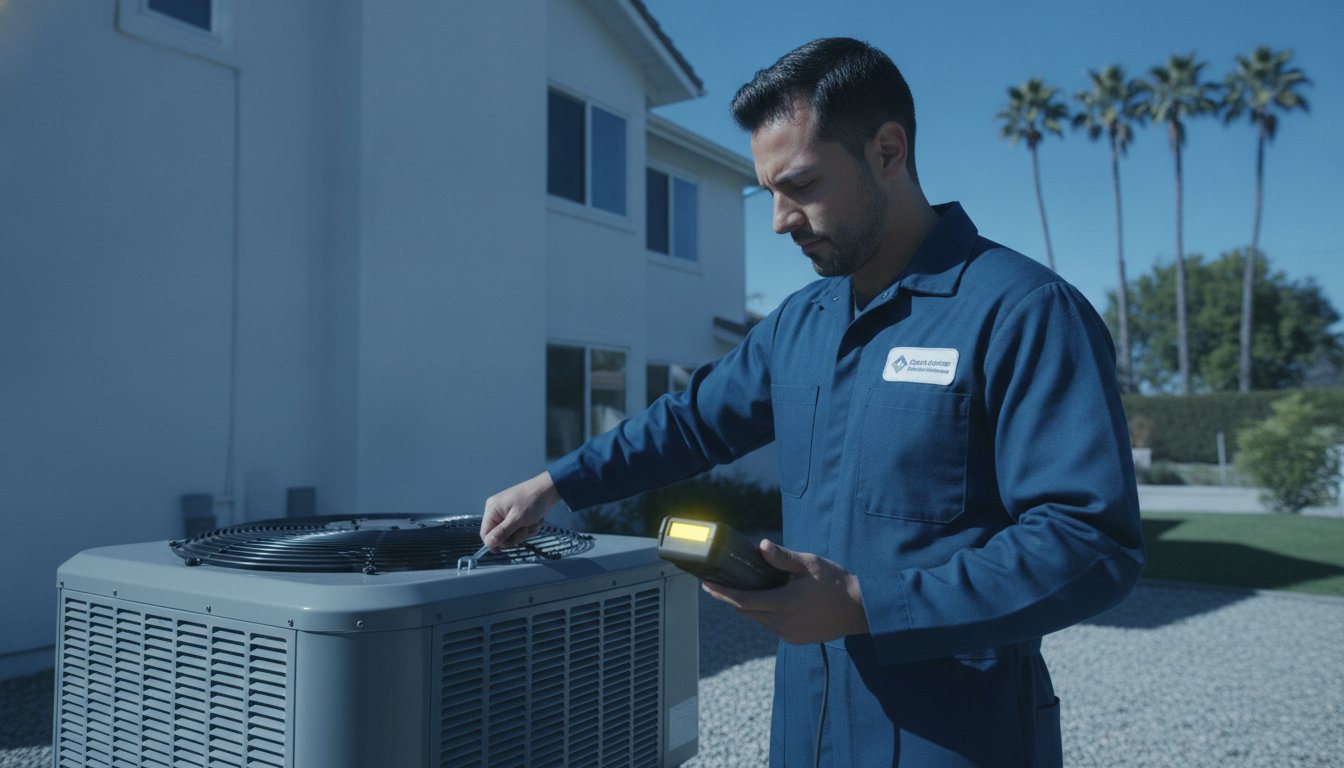
Your outdoor unit needs to breathe to release heat effectively. Follow the two-foot rule by keeping plants, shrubs, and storage items at least 24 inches away from the condenser on all sides. Debris like dry leaves or grass clippings can clog the delicate fins. This is a leading cause of ac not blowing cold air los angeles residents often face during peak summer. You can gently rinse the exterior fins with a garden hose to remove dust and salt spray. Never use a pressure washer, as the high-intensity stream will bend the soft aluminum fins and permanently restrict airflow.
Visual Inspections and Drain Lines
A quick walk-around can reveal hidden issues before they escalate. Check the copper refrigerant lines for damaged or missing foam insulation. If the lines are bare, your system loses efficiency before the cool air even reaches your vents. You should also monitor the condensate drain line, which is usually a small PVC pipe near the outdoor unit. If you see water pooling in the emergency pan under your indoor unit instead of flowing out the drain, a clog is likely forming. This simple step is a core part of maintaining your air conditioner and preventing costly water damage to your ceilings or flooring. Finally, verify your thermostat calibration by placing a separate thermometer nearby. If the readings differ by more than two degrees, your system may be cycling unnecessarily and wasting energy.
The Professional Maintenance Checklist: Annual Deep-Dive
While monthly DIY tasks keep the air flowing, a comprehensive preventative AC maintenance checklist for homeowners isn't complete without a professional annual deep-dive. Modern cooling systems are precision instruments. They rely on delicate chemical balances and high-voltage electrical sequences that require specialized tools to measure. If you skip the professional visit, you miss the opportunity to calibrate your system for peak thermodynamic performance. This level of care is why many experts agree that HVAC preventative maintenance is the most effective way to protect a property's long-term value. A technician brings the diagnostic precision that a garden hose and a new filter simply cannot provide.
One of the most critical professional tasks involves checking the refrigerant charge. As of January 1, 2026, all new systems must use low-GWP refrigerants like R-32 or R-454B. Only EPA-certified technicians should handle these chemicals; improper levels will cause your compressor to overheat and fail prematurely. During a deep-dive, a specialist also applies specialized chemical cleaners to the evaporator and condenser coils. These solutions break down the stubborn biofilm and microscopic grime that water alone can't touch—a standard of care provided by professional services like LALA COOL—ensuring your heat exchange process remains as efficient as the day the unit was installed. Technicians also take the time to lubricate the blower motor to reduce friction, which helps the air handler run quieter and draw less electricity.
Advanced Diagnostics for Peace of Mind
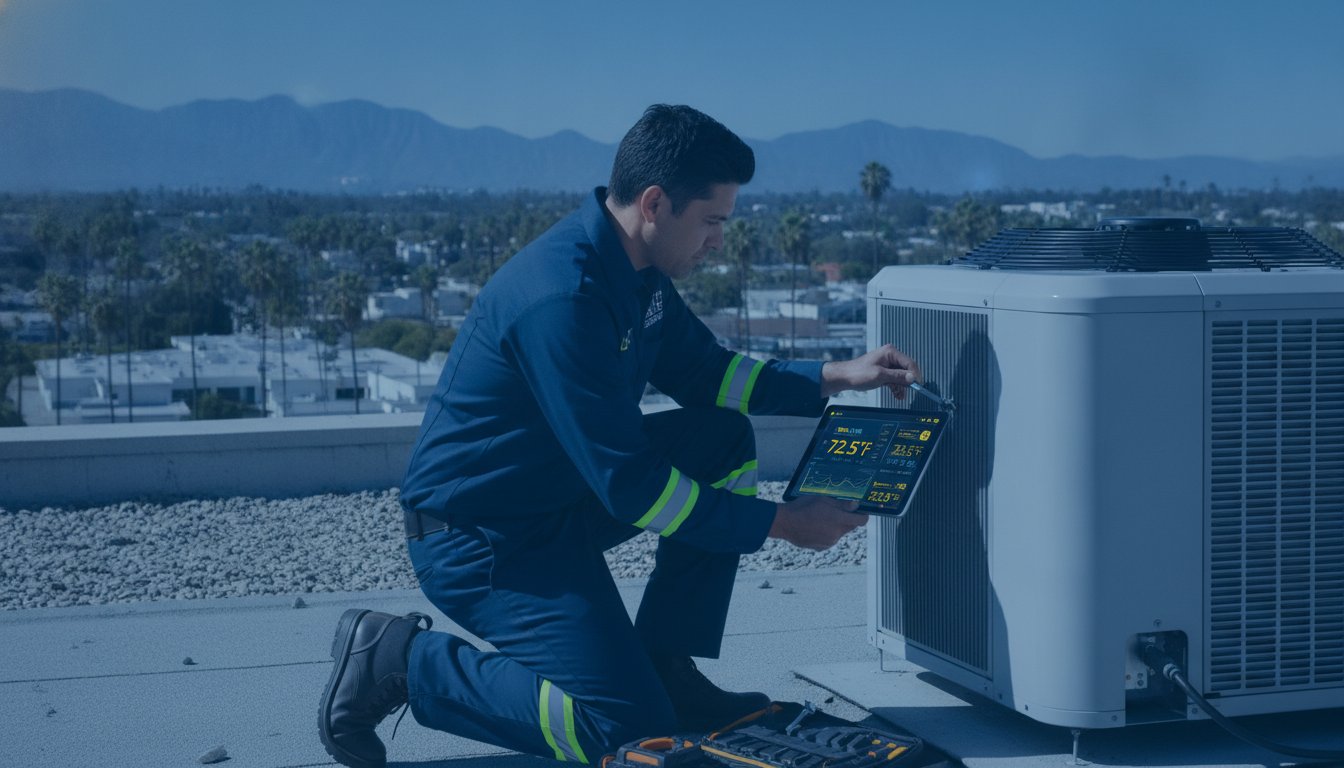
A professional service goes beyond a visual check by measuring subcooling and superheat. These metrics tell the technician exactly how well your system is moving heat out of your home. If these numbers are off, your system might be running longer than necessary to reach your thermostat's set point. Technicians also test the starting capabilities of the compressor to identify hard starts. If your compressor struggles to kick on, it draws a massive amount of power and puts immense stress on the internal windings. By catching this early, we can often install a start-assist kit to save the most expensive part of your system from a total burnout. We also check for ductwork leaks that might be bypassing your filtration system and pulling attic dust directly into your living space.
Safety and Electrical Inspections
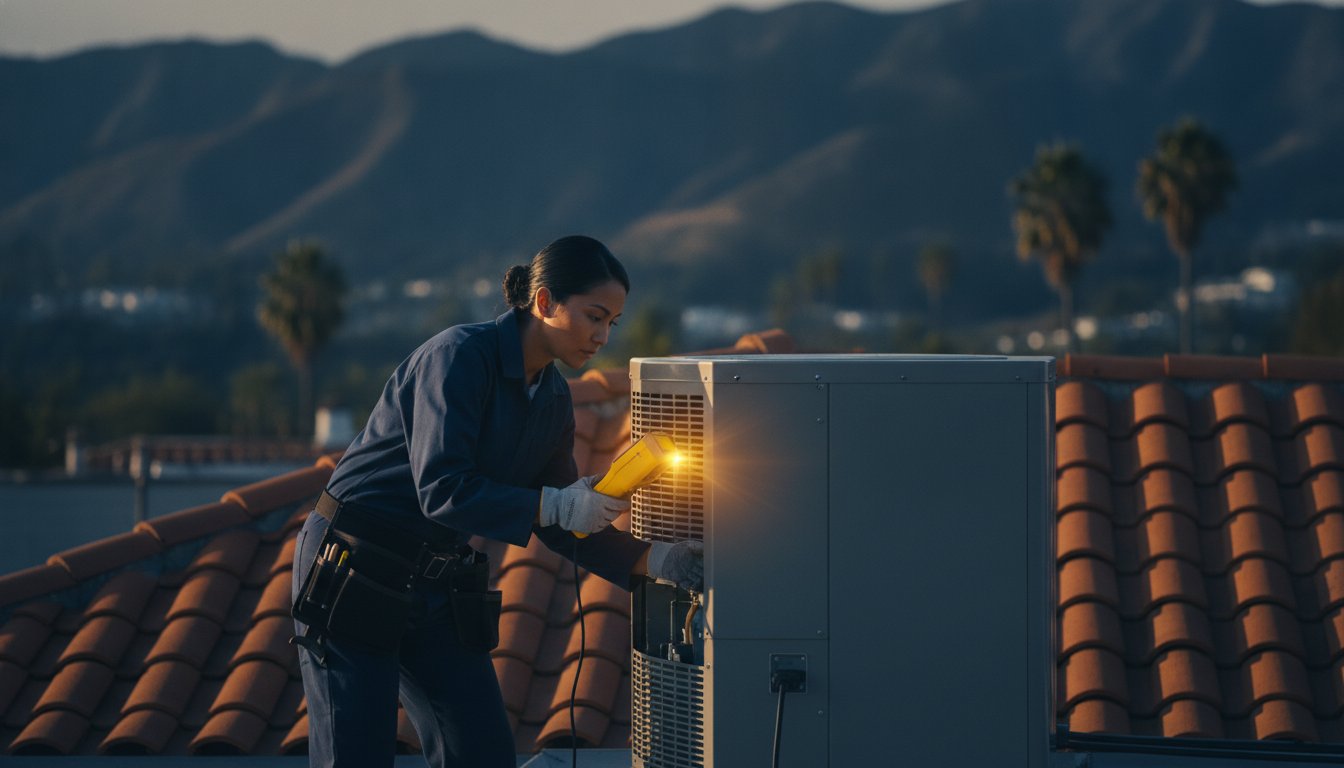
Electrical components like capacitors, contactors, and relays are the most common points of failure during a 100-degree heatwave. These parts have a finite lifespan; they eventually lose their ability to hold a charge or create a solid connection. A technician uses a multimeter to test these components against their factory specifications. We also take the time to tighten every electrical connection in the cabinet. Loose wires generate heat, which leads to melted insulation or even fire hazards. If you have a heat pump system, we inspect the heat exchanger for any signs of cracks or corrosion that could compromise your safety. Professional electrical testing identifies failing parts before they leave you stranded in a hot house, effectively preventing the majority of mid-summer outages.
Los Angeles Specific Challenges: Dust, Heat, and Air Quality
Living in the Los Angeles basin requires a different approach to home comfort than the rest of the country. A tailored preventative AC maintenance checklist for homeowners in Southern California must account for more than just age and usage; it has to address our unique environmental stressors. Between the seasonal Santa Ana winds and the persistent urban smog, your system is often working in a high-friction environment. If you live in Santa Monica or the South Bay, coastal salt air adds another layer of complexity by accelerating corrosion on your unit's copper and aluminum components. These local factors mean your system likely requires more frequent care than the national average to stay efficient.
The "Santa Ana" effect is particularly brutal on outdoor condensers. These hot, dry winds carry fine desert silt that settles deep within your unit's cooling fins. Unlike standard household dust, this desert silt can become baked onto the coils during a heatwave, creating a thermal blanket that prevents heat from escaping. If you don't clear this debris after a wind event, your unit will cycle longer and draw more power to achieve the same cooling effect. This extra work is a primary reason why utility bills spike even when your thermostat settings haven't changed.
Combatting Urban Air Pollution
In 2026, Los Angeles was again ranked as the most ozone-polluted city in the United States. If your home is located near a major freeway or in a high-density neighborhood, standard filters often fail to capture the microscopic PM2.5 particles that infiltrate your living space. We often recommend integrating indoor air quality solutions like UV lights or electronic air cleaners to supplement your filtration. These systems neutralize volatile chemical products and biological contaminants that thrive in our warm climate. After a wildfire smoke event, it's vital to have a professional clean your "ash-clogged" condenser, as the acidic nature of ash can permanently etch and damage the delicate metal surfaces of your HVAC system.
Preparing for 100-Degree Days
When the forecast predicts sustained temperatures over 100 degrees, your air conditioner faces a "stress test" that reveals any underlying weakness. We encourage homeowners to check their attic insulation levels alongside their AC maintenance. If your insulation is thin, your AC is fighting a losing battle against the radiant heat coming through your roof. For homes with specific hot spots or additions, using ductless mini-split systems allows for zoned cooling, reducing the load on your central unit during peak hours. Professional providers such as Engico Air Conditioning specialize in these multi-split and ducted solutions, ensuring they are installed and maintained for maximum efficiency. Taking these steps ensures your home remains a sanctuary even when the local grid and environment are at their most demanding. If you want to ensure your system is ready for the next heatwave, consider joining our Nice and Cool Club Maintenance Plan for proactive, year-round care.
The Solution: The Nice and Cool Club Maintenance Plan
Managing a home in Los Angeles is demanding enough without having to track every technical detail of your HVAC system. While our preventative AC maintenance checklist for homeowners provides a clear roadmap, many neighbors prefer a more streamlined approach. The Nice and Cool Club Maintenance Plan is our "set it and forget it" solution, designed to provide absolute reliability without the administrative headache. Whether you are a first-time homeowner or have lived in the same neighborhood for decades, this plan ensures your comfort is never left to chance. It bridges the gap between expert craftsmanship and the peace of mind you deserve.
A significant benefit of professional membership is the long-term value it adds to your property. If you ever decide to sell your home, having a documented history of professional care is a major selling point. In the 2026 real estate market, buyers are increasingly focused on energy efficiency and system longevity. Providing a full record of consistent maintenance proves that your home has been cared for with precision. It transforms your HVAC system from a potential liability into a verified asset, showing that you've prioritized both indoor air quality and mechanical dependability. This commitment to quality reflects our own roots as a family-oriented business that takes immense pride in our reputation and our community.
What is Included in the Plan?
The Nice and Cool Club is tailored to fit the specific needs of Southern California properties. Members receive bi-annual inspections, with a dedicated visit in the Spring for your air conditioner and a follow-up in the Fall for your heating system. Every visit includes a full system cleaning and a comprehensive safety audit to identify potential hazards before they become emergencies. We understand the busy LA lifestyle, so we offer no-hassle scheduling that works around your commitments. If you are a member, you also gain access to priority service and discounted repairs, ensuring that if a problem does arise, you are at the front of the line for a solution.
Join the Club Today
Signing up for the Nice and Cool Club is a simple step that provides immediate relief. You no longer have to worry about whether you've missed a critical task on your preventative AC maintenance checklist for homeowners or if your system will fail during a heatwave. We act as your partner in long-term comfort, providing the steady, deliberate care that keeps your utility bills low and your air clean. Preventative care is always the most cost-effective way to avoid the stress of emergency repair bills. We invite you to protect your home comfort with the Nice and Cool Club and experience the difference that professional confidence and neighborly warmth can make for your family.
Secure Your Home Comfort for the Long Term
Mastering a preventative AC maintenance checklist for homeowners is about more than just checking boxes; it's about building a reliable sanctuary for your family. By combining simple monthly filter changes with professional annual diagnostics, you protect your system from the unique environmental stresses of the Los Angeles basin. Whether you are dealing with Santa Ana dust or a record-breaking August heatwave, a well-maintained system remains your best defense against rising utility costs and unexpected mechanical failure. Consistency is the key to ensuring your HVAC equipment performs with the same efficiency in 2026 as the day it was installed.
We've been a family-owned and operated business since 2005, and we take immense pride in serving all of Los Angeles County with a personal, neighborly touch. Our NATE-certified expert technicians bring the precision and dependability you need to keep your home running smoothly year after year. If you are ready to stop worrying about your HVAC system and start enjoying total peace of mind, we invite you to sign up for the Nice and Cool Club Maintenance Plan. Let's work together to keep your home a cool, healthy, and comfortable place for your loved ones.
Frequently Asked Questions
How often should I really perform AC maintenance?
You should schedule professional maintenance twice a year, ideally in the spring for cooling and the fall for heating. While the preventative AC maintenance checklist for homeowners includes monthly DIY tasks like filter checks, a deep professional tune-up ensures your system survives the intense Los Angeles summer. This frequency satisfies most manufacturer warranty requirements and catches minor wear before it leads to a total shutdown during a heatwave.
Can I clean my AC coils myself with a garden hose?
You can gently rinse the outdoor condenser coils with a garden hose, but you should never attempt to clean the indoor evaporator coils yourself. Outdoor coils are accessible and benefit from removing surface dust or salt spray. However, indoor coils are delicate and often require specialized chemical cleaners and technical disassembly. Using a pressure washer on either unit will bend the aluminum fins, permanently restricting airflow and forcing the motor to work harder.
What happens if I skip professional maintenance for a year?
Skipping maintenance for even one season typically leads to a 5 to 15 percent drop in efficiency and an increased risk of mid-summer failure. Dust buildup on the coils and aging capacitors often go unnoticed until the system is under heavy load. If you neglect these components, you risk voiding your manufacturer's warranty and shortening the overall lifespan of your expensive HVAC equipment. It's much easier to prevent a problem than to fix a broken system in July.
Will preventative maintenance actually lower my electric bill?
Yes, a well-maintained air conditioner runs more efficiently and uses significantly less electricity to cool your home. When filters are clean and coils are free of debris, the system doesn't have to run as long to reach your desired temperature. This reduced cycle time directly translates to lower monthly utility bills, especially during the 100-degree heatwaves common in Southern California. It's a simple way to keep your home comfortable without overspending on energy.
What are the signs that my AC needs immediate professional attention rather than just maintenance?
You should call a technician immediately if you hear grinding noises, smell burning odors, or notice water pooling around the indoor unit. While a preventative AC maintenance checklist for homeowners covers routine care, these symptoms indicate mechanical or electrical failures that require specialized tools. If your system is short-cycling by turning on and off every few minutes, it's a sign of a deeper issue that maintenance alone cannot fix. Prompt attention prevents minor issues from becoming total system failures.
Is it worth maintaining an AC unit that is over 10 years old?
Maintaining an older unit is actually more important than maintaining a new one because it helps prevent catastrophic failure in an aging system. While a 10-year-old unit is nearing the end of its typical lifespan, consistent care can keep it running safely until you are ready for an upgrade. If the system is well-maintained, it will remain more efficient and reliable than a neglected unit of the same age. It also gives you time to plan for a replacement on your own terms.
Does a preventative maintenance plan cover the cost of repairs?
A maintenance plan typically covers the cost of the tune-ups and inspections, but it does not cover the cost of replacement parts or major repairs. Think of it like an oil change for your car; it keeps things running smoothly to prevent the need for a new engine. However, many plans, like our Nice and Cool Club, provide members with significant discounts on any repairs that are identified during the inspection. This helps lower the overall cost of ownership over time.
How do I know if my air filter needs changing before the 3-month mark?
You should check your filter every 30 days if you have pets, live near a freeway, or notice more dust than usual on your furniture. A simple visual test works best; if you hold the filter up to a light and cannot see the light passing through the fibers, it's time for a replacement. Clogged filters are the leading cause of airflow issues and poor indoor air quality in Los Angeles homes. Keeping a fresh filter is the easiest way to protect your system's motor.
Frequently Asked Questions
If you compare the cost of a seasonal tune-up to the expense of a full system failure, the return on investment is clear. A professional check-up ensures your coils stay clean and free of debris. When dust and grime coat these surfaces, your compressor has to work much harder to move heat out of your home. This extra strain leads to higher monthly Southern California Edison bills and accelerates internal wear. If the damage becomes too extensive, you might find yourself looking into AC installation Los Angeles CA much sooner than planned. Regular care keeps those high-efficiency ratings active, putting money back in your pocket every month through lower utility consumption.