What is Included in an HVAC Tune-up? A 2026 Homeowner’s Checklist
July 20, 2026 17 min read
Did you know that a well-maintained HVAC system can use up to 30% less energy than one that has been neglected? In the middle of a sweltering Los Angeles July, your air conditioner is more than just a machine; it is your family's lifeline. We understand the frustration of watching utility bills spike during a heatwave and the nagging fear that your unit might fail on the hottest day of the year. You deserve to know exactly what is included in an HVAC tune-up so you can feel confident that your investment is actually being protected.
We believe in providing the same level of care we would want for our own families. This guide reveals the precise steps professional technicians take to keep your home efficient, safe, and comfortable. We will walk you through a comprehensive 2026 checklist, including critical SEER2 efficiency calibrations and the latest safety protocols for new A2L refrigerants. You will see how a thorough inspection can lower your monthly costs, extend your system's lifespan, and give you the peace of mind that comes with a job done right.
Key Takeaways
- Understand exactly what is included in an HVAC tune-up so you can distinguish between a basic surface cleaning and a professional system calibration.
- Discover how tightening electrical connections and measuring motor currents prevents expensive mid-summer breakdowns and potential fire hazards.
- Find out why chemical coil cleaning and proper lubrication are essential for managing Los Angeles dust and lowering your monthly utility bills.
- See how professional thermostat calibration and refrigerant checks help your unit meet the updated 2026 SEER2 standards for maximum efficiency.
- Explore how a structured maintenance plan like the Nice and Cool Club provides a reliable, "set it and forget it" solution for your home's long-term comfort.
The Core Components of a Professional HVAC Tune-Up
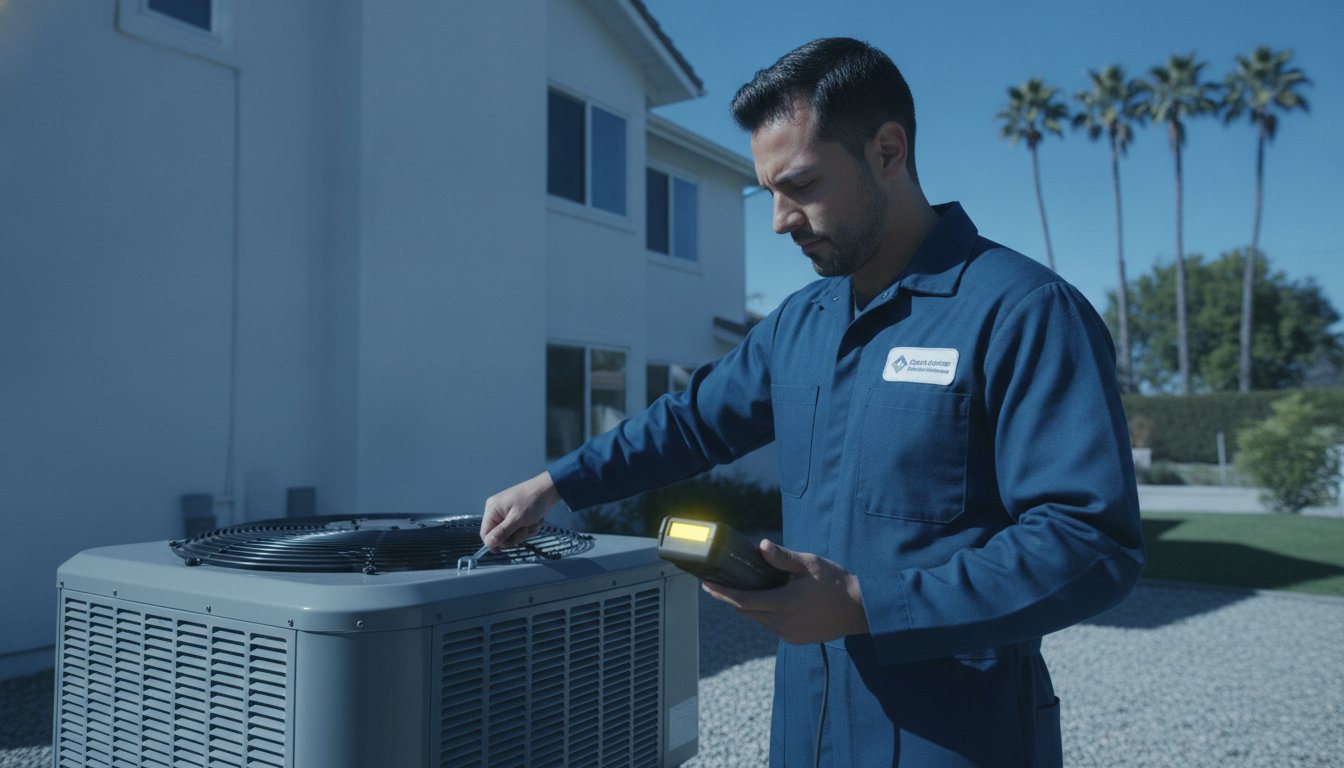
Think of an HVAC tune-up as a preventative medical checkup for your home's lungs. At its heart, what is included in an HVAC tune-up is a multi-point inspection and optimization process performed by a certified technician to ensure every component of your comfort system is running at peak performance. Our primary goal is simple; we want to prevent those frantic, mid-July calls for ac not blowing cold air los angeles residents often face when the thermometer hits triple digits.
While a DIY check might take five minutes of your time, a professional visit typically lasts between 60 and 90 minutes. This time allows for a methodical calibration that goes far beyond surface-level cleaning. It is also a matter of protection for your investment. If you skip this annual maintenance, then your manufacturer warranty may be voided, leaving you responsible for the full cost of major parts if something fails. Since 2005, we've seen how a little bit of foresight can save homeowners thousands in avoidable replacement costs.
Understanding the Difference Between Maintenance and Repair
Maintenance is proactive, while repair is reactive. Repairs usually happen at the most inconvenient times and carry a much higher price tag. During a tune-up, we use specialized diagnostic tools to predict component failure before it happens. This allows us to identify "silent killers," such as hairline fractures in heat exchangers or failing capacitors, that a standard visual check would miss. By looking at the technical health of HVAC systems, we can address small issues while they are still affordable adjustments rather than total system failures. It's the difference between changing your oil and replacing your entire engine.
Why Los Angeles Homes Require a Specialized Approach
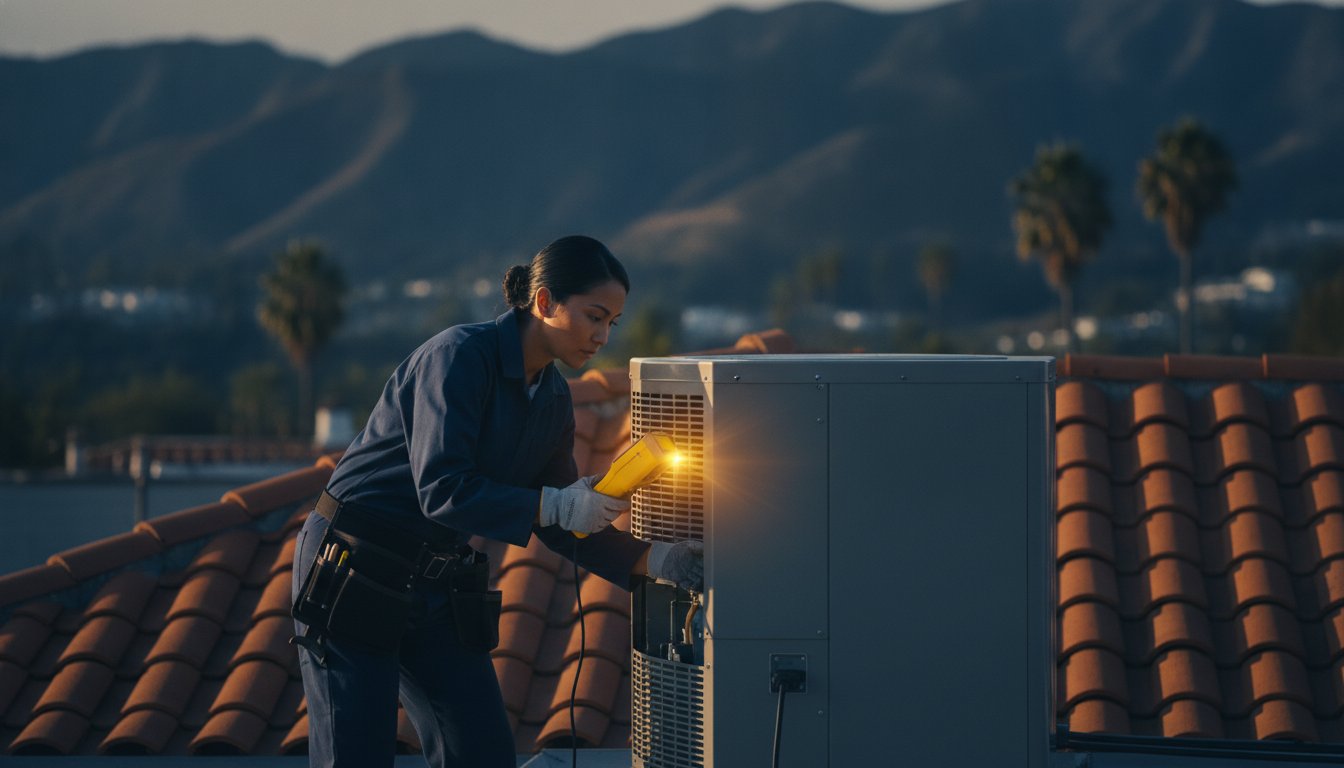
Los Angeles presents a unique set of challenges for any cooling system. Because of our mild winters and intense summers, many local units operate almost year-round. This constant use leads to faster wear and tear than systems in other parts of the country. Whether you live in the Valley or near the coast, your environment matters. If you live in a coastal neighborhood, then the salt air can quickly corrode outdoor condenser coils. We also have to account for the fine dust that settles across the city, which can choke your system's airflow if not addressed. Taking a tailored approach to pre-summer prep ensures your system is ready for that first major heatwave without a hitch.
Electrical and Mechanical: The Reliability and Safety Checklist
When you ask what is included in an HVAC tune-up, the electrical and mechanical inspection is where safety truly meets performance. It's not just about keeping you cool; it's about ensuring your system doesn't become a fire hazard or a source of unexpected electrical shorts. Our technicians take the time to tighten every electrical connection within the unit. Over time, the natural vibrations of the system can loosen these wires, which often leads to intermittent shutdowns or even fried control boards. This level of detail highlights the importance of preventative maintenance for any homeowner who values long-term system health.
We also pay close attention to the start and run capacitors. If these components begin bulging or leaking oil, then your motors will struggle to start, eventually leading to a total burnout. Similarly, we test the contactor for pitting or carbon buildup. This buildup often causes a phenomenon called "chattering," where the system clicks rapidly but fails to engage. By evaluating the condition of the blower belt and the balance of the fan blades, we ensure your system runs quietly and without the unnecessary friction that drives up energy costs. If you want to keep your system running smoothly year-round, joining the Nice and Cool Club is a simple way to ensure these safety checks never get overlooked.
Electrical Connection and Control Testing
Loose wires are the primary cause of intermittent system shutdowns in Los Angeles homes. We don't just look at the wires; we test the safety controls and limit switches to ensure your furnace or air handler operates within safe parameters. Whether you have a traditional AC or a modern heat pump, verifying the sequence of operation for components like the reversing valve is critical. If these controls aren't responsive, then your system can't protect itself from overheating or freezing up during a heavy cycle.
Mechanical Component Inspection
A key part of our mechanical checklist involves checking the blower motor's amp draw against the manufacturer's original specifications. Measuring the "amp draw" is the best way to detect a motor about to fail because it reveals exactly how much electrical strain is being placed on the component. If the draw is too high, then the motor is likely nearing the end of its life. We also inspect the condensate pump and clear the primary drain line. In our humid coastal climates, a clogged drain can lead to mold growth or water damage inside your home, making this a vital step in every professional visit.
Cleaning and Lubrication: Combating Los Angeles Dust and Wear
While the electrical and mechanical checks ensure your system is safe, the cleaning and lubrication phase ensures it stays efficient. In our local climate, dust is a constant adversary. When you consider what is included in an HVAC tune-up, a deep chemical cleaning of the outdoor condenser coil is one of the most impactful steps. This process removes the layers of grime and oxidation that a simple hose-down or "brush-off" leaves behind, allowing for maximum heat transfer and lower operating temperatures.
We also take the time to inspect the indoor evaporator coil for mold or debris buildup. Because this coil is often hidden deep within your air handler, it is frequently overlooked by less thorough technicians. If you ignore this component, then the moisture it produces can combine with household dust to create a thick mat that blocks airflow and ruins your indoor air quality. By integrating the same high standards we use during a professional ac installation los angeles ca into our routine maintenance, we ensure your system maintains its long-term performance and reliability.
The Vital Importance of Coil Cleaning
Even a tiny amount of buildup can have a massive impact on your wallet. Research indicates that as little as 1/16th of an inch of dust on your coils can reduce system efficiency by as much as 20%. In Southern California, our Santa Ana winds frequently blow fine particulate matter into these delicate fins, making a professional chemical wash a non-negotiable task. If you allow this thermal resistance to build up, then your system has to work significantly harder to achieve the same cooling effect, leading to higher bills and unnecessary stress on the compressor.
Lubrication and Friction Reduction
Mechanical parts that move together naturally create heat through friction. We identify any non-sealed bearings that require annual oiling to keep them gliding smoothly. Proper lubrication is the best way to prevent that high-pitched squealing often heard in older units during a startup. This isn't just about noise; there is a direct relationship between friction, heat, and premature motor burnout. By reducing this internal resistance, we lower your energy consumption and protect the blower motor from overheating during a heatwave.
Filter Management and Airflow Optimization
Air quality in Los Angeles can vary wildly from week to week. During a tune-up, we evaluate your current filter MERV ratings to ensure they meet your home's specific needs without suffocating the system's airflow. We also check for bypass air around the filter rack, which is a common issue that allows dust to bypass the filter and clog internal components. Whether it is ensuring your return air grilles are unobstructed or cleaning the pilot assembly for a reliable start, every detail matters for your comfort.

Calibration and Performance: Ensuring Energy Efficiency and SEER2 Compliance
Calibration is where we bridge the gap between a system that simply "works" and one that operates with precision craftsmanship. While the previous sections focused on physical health and cleanliness, this stage is about the technical settings that dictate your monthly utility costs. A major part of what is included in an HVAC tune-up is verifying that your unit meets the rigorous 2026 SEER2 efficiency benchmarks. In California, split system air conditioners must meet a minimum of 15.0 SEER2. If your system isn't calibrated to these specific standards, then you are essentially leaving money on the table every time the compressor kicks on.
We take a bespoke approach to every home because no two ductwork systems are identical. Our technicians measure the temperature "split" between your return and supply air vents to confirm the heat exchange process is functioning correctly. We also adjust the blower speed to match your home's unique ductwork capacity. If the airflow is too fast, then the air won't dehumidify properly; if it's too slow, then the coils might freeze. If you want to ensure your system is performing at its absolute peak, you can book your precision performance calibration with our local team today.
Thermostat Calibration and Smart Home Integration
Your thermostat is the brain of your HVAC system, but even the smartest brains need a checkup. We test the accuracy of your temperature sensor against a professional master gauge to ensure the reading on the wall matches the actual temperature in the room. If your thermostat is off by just two degrees, then your system may run 15% longer than necessary. We also handle firmware updates for smart thermostats to optimize cooling algorithms and adjust "deadband" settings. These settings are vital because they prevent the system from short-cycling, which is a leading cause of premature equipment failure in Los Angeles.
Refrigerant Charge and Airflow Balancing
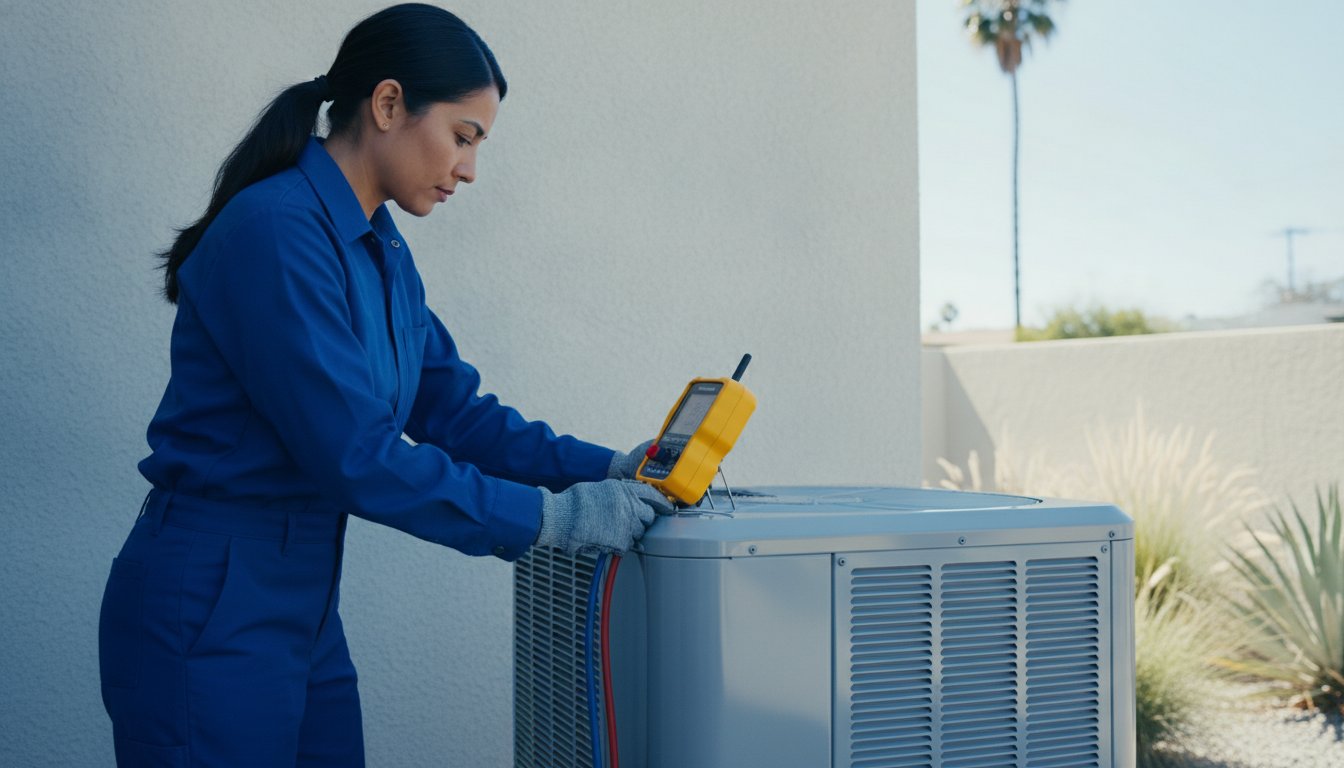
One of the biggest myths in our industry is that refrigerant needs to be "topped off" annually. Refrigerant exists in a sealed loop, so if levels are low, then there is a leak that must be identified and fixed. We use advanced subcooling and superheat methods to check your Freon or Puron levels with extreme accuracy. This is critical because incorrect refrigerant levels force the compressor to work harder, which drastically shortens its lifespan. A 15-20 degree temperature split indicates a healthy cooling cycle where the refrigerant is moving heat out of your home efficiently. We also ensure your system is prepared for the transition to A2L refrigerants, which became the industry standard for new equipment as of January 1, 2026.
The Nice and Cool Club: Your Path to Long-Term System Reliability
The Nice and Cool Club is designed as the ultimate "set it and forget it" solution for Los Angeles homeowners. While the technical steps we have discussed define what is included in an HVAC tune-up, the real value lies in the consistency of that care. Our maintenance plan ensures that your system receives these precision calibrations twice a year, every year. The financial logic is straightforward; a well-maintained system can use 20% to 30% less energy than a neglected one. For a homeowner with an average annual energy bill of $1,200, this routine maintenance can lead to approximately $180 in annual energy savings, effectively helping the membership pay for itself.
Beyond the immediate utility savings, there is the undeniable benefit of peace of mind. If you maintain a documented service history through our club, then you provide tangible proof of care that can increase your home's resale value. This documentation shows potential buyers that the heart of the home is in peak condition. This is especially critical for those who have recently invested in a high-efficiency heat pump installation. These advanced systems require specialized attention to maintain their SEER2 ratings, and our club members rest easy knowing their investment is being protected by local specialists who have served the community since 2005.
Membership Benefits Beyond the Tune-Up
Club members enjoy several perks that go beyond the standard service visit. If your system requires an unexpected fix, then you receive significant discounts on repairs and indoor air quality upgrades. We also waive diagnostic fees for our members and provide "front of the line" priority scheduling. This is a lifesaver during the peak July and August heatwaves when wait times for non-members can stretch for days. By choosing a structured plan, you ensure your equipment life is extended through consistent, expert-level care rather than waiting for a total breakdown to occur.
Scheduling Your Maintenance Strategy
We follow the industry gold standard of twice-a-year visits, typically scheduled in the spring and fall. These windows allow us to prepare your system for the extreme demands of the upcoming season before the first major temperature shift hits. To make things as easy as possible, we provide automated reminders so you never miss a critical service window. Whether you are preparing for a coastal winter or a Valley summer, having a proactive strategy is the best way to ensure your home remains a sanctuary of comfort. Before our technician arrives, clearing a small path to your indoor and outdoor units can help us maximize the efficiency of the visit and get your system back to peak performance even faster.
Secure Your Home’s Comfort for the Seasons Ahead
Your HVAC system is a significant investment that deserves expert attention to thrive in our demanding Southern California climate. From tightening critical electrical connections to ensuring your unit meets the latest 2026 SEER2 efficiency benchmarks, every step of our process is designed for precision. By understanding exactly what is included in an HVAC tune-up, you can move beyond guesswork and take proactive control of your monthly utility costs and system longevity.
Since 2005, our family-owned business has specialized in the unique challenges Los Angeles homeowners face, from coastal salt air to intense Valley heatwaves. We provide a comprehensive multi-point inspection that goes far beyond a simple surface cleaning to deliver true reliability. If you are ready to stop worrying about your AC failing in mid-July, then we invite you to Join the Nice and Cool Club for Worry-Free Comfort. Our team is here to act as your local specialist and long-term partner in home comfort. We look forward to helping you keep your home efficient and safe for many years to come.
Frequently Asked Questions
How much does a professional HVAC tune-up cost in Los Angeles?
Pricing for a professional visit depends on the complexity of your system and whether you choose a one-time service or a recurring maintenance plan. Most local specialists offer comprehensive options that cover the full multi-point inspection. For homeowners in other areas looking for this same level of expertise, Perfect Choice HVAC offers professional-grade heating and cooling solutions that prioritize system efficiency and safety. We recommend looking for club memberships or seasonal specials that provide the best long-term value for your specific home layout without the surprise of hidden fees.
How often should I have my HVAC system tuned up?
You should have your HVAC system tuned up twice a year, once in the spring for cooling and once in the fall for heating. This bi-annual schedule ensures your system is prepared for the extreme temperature shifts common in Southern California. Regular visits allow technicians to catch small mechanical issues before they turn into major repairs during a peak July heatwave.
Can a tune-up really lower my monthly electric bill?
Yes, a professional tune-up can lower your monthly utility costs by ensuring every component operates at maximum efficiency. When your coils are clean and your motors are calibrated, the system doesn't have to run as long to reach your desired temperature. This reduced runtime directly translates to lower energy consumption and less wear on your expensive equipment over time.
Will an HVAC tune-up fix my AC if it's already broken?
A tune-up is a preventative service and is not the same as a repair for a system that has already failed. If your unit is not blowing cold air, then you need a diagnostic repair visit to identify and replace the failed component. Once the system is operational again, a maintenance plan will help prevent that specific failure from happening a second time.
How long does a typical HVAC maintenance visit take?
A comprehensive maintenance visit typically takes between 60 and 90 minutes to complete properly. This timeframe allows the technician to perform the full checklist, including electrical testing, chemical coil cleaning, and performance calibration. Whether you have a central system or a heat pump, a thorough inspection cannot be rushed if you want to ensure long-term reliability and safety.
Is an HVAC tune-up required to keep my manufacturer warranty valid?
Most manufacturers require annual professional maintenance to keep your equipment warranty valid. If you need to file a claim for a major part like a compressor, then the manufacturer may ask for service records to prove the system wasn't neglected. Keeping a documented history of what is included in an HVAC tune-up protects you from paying full price for expensive component failures.
What is the best time of year to schedule HVAC maintenance in LA?
The best time to schedule maintenance is during the "shoulder seasons" of early spring or early autumn. Scheduling in March or April ensures your air conditioner is ready for the first major Los Angeles heatwave. Beating the rush allows for more flexible scheduling options before the peak emergency repair season begins and ensures your home remains comfortable year-round.
Can I do an HVAC tune-up myself to save money?
While you can change your own filters, a full professional tune-up requires specialized diagnostic tools and technical expertise. Technicians use calibrated gauges to check refrigerant levels and multimeters to test motor health, which are tasks most homeowners cannot safely perform. A professional visit ensures that what is included in an HVAC tune-up meets the strict safety and efficiency standards required for modern systems.
Frequently Asked Questions
Pricing for a professional visit depends on the complexity of your system and whether you choose a one-time service or a recurring maintenance plan. Most local specialists offer comprehensive options that cover the full multi-point inspection. We recommend looking for club memberships or seasonal specials that provide the best long-term value for your specific home layout without the surprise of hidden fees.