Why Is My AC Leaking Water? 2026 Homeowner’s Guide to Causes and Fixes
July 26, 2026 18 min read
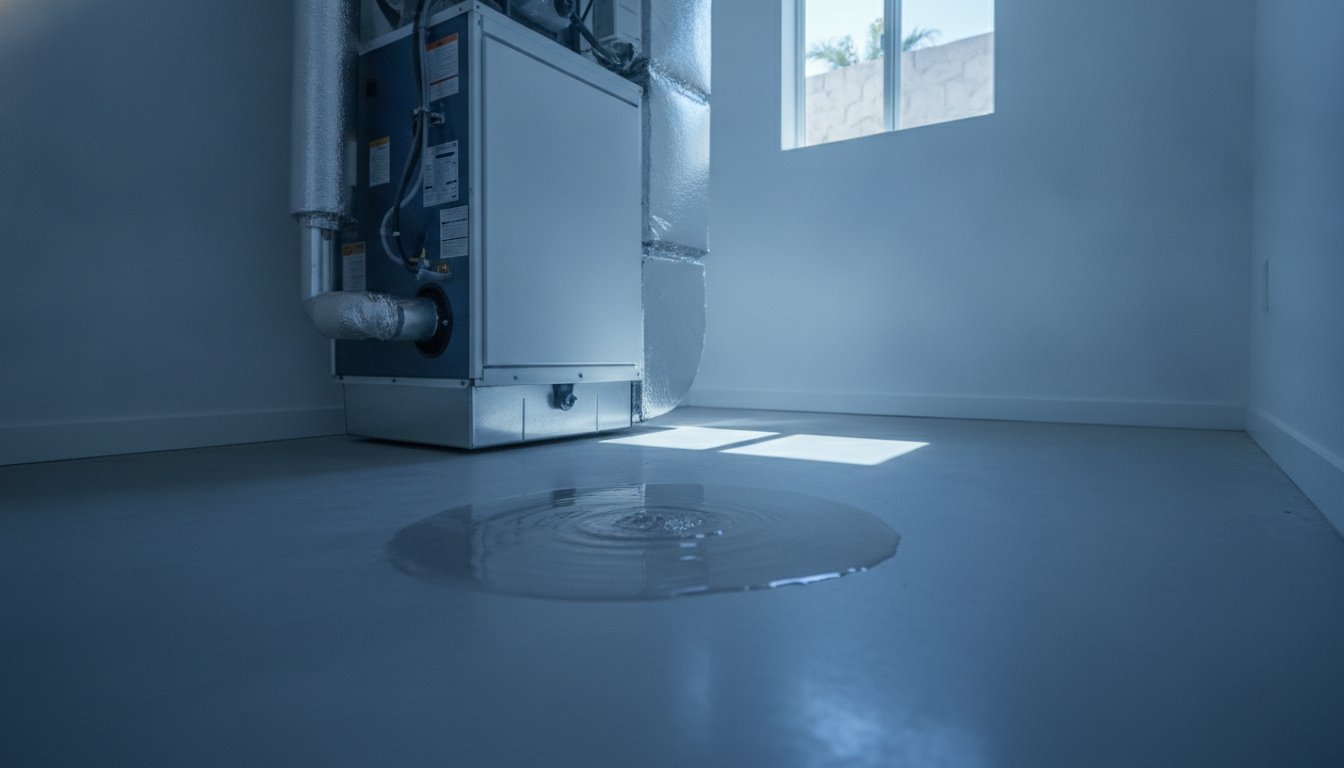
Last Tuesday, a neighbor in Silver Lake discovered a growing pool of water beneath their furnace closet just as the afternoon heat hit its peak. If you have found yourself in a similar situation, you're likely wondering why is my ac leaking water and whether your home is at risk for mold or structural damage. It is completely normal to feel a bit of anxiety when you see standing water where it doesn't belong. Whether it's a minor clog or a complex mechanical failure, you need clear answers fast to protect your investment and your peace of mind.
This guide will help you identify the exact cause of your air conditioner's water leak so you can take the right next steps immediately. We'll break down the most common culprits, from simple maintenance oversights to technical issues involving the latest 2026 EPA refrigerant regulations. You will learn exactly when you can safely handle a DIY fix and when it's time to call a Los Angeles expert to ensure your system stays running efficiently and safely all summer long.
Key Takeaways
- Shut down your thermostat immediately to stop moisture production and prevent further water damage to your floors or ceilings.
- Learn why is my ac leaking water by identifying common culprits like clogged condensate drain lines or restricted airflow that leads to frozen coils.
- Recognize when a rusted drain pan or a failing condensate pump means the problem is mechanical and requires an expert repair.
- Distinguish between safe DIY maintenance tasks and complex repairs that involve high-pressure lines or sensitive electrical components.
- Understand how regular preventative care can protect your indoor air quality and help your system withstand the constant cooling demands of the Los Angeles climate.
Why Is My AC Leaking Water? The Immediate Response Checklist
Seeing a puddle near your furnace or indoor unit is enough to make any Los Angeles homeowner's heart sink. To understand the root cause, you first need to understand how air conditioners produce water. As your system cools your home, it pulls humidity from the air. This moisture collects on the evaporator coil and should flow safely out through a dedicated drain line. If you are asking why is my ac leaking water, it is usually because this moisture management system has hit a snag.
The "Golden Rule" for any AC leak is simple: shut down the thermostat immediately. This stops the cooling cycle and halts the production of new condensation. Whether the leak is a steady drip or a large pool, continuing to run the system will only lead to more water damage. Safety is the priority here. Water pooling near your furnace's electrical components or the blower motor creates a serious risk of short circuits or electrical hazards.
It is helpful to determine if the leak is active or residual. An active leak drips while the system runs; a residual leak is a puddle that remains after the unit has been off for a while. Identifying this helps your technician narrow down the cause much faster.
Step 1: Power Down and Dry Up
If your thermostat is off but you still hear the system running, head to your electrical panel and flip the breaker for the AC unit. Once the power is safely cut, use a wet/dry vacuum to remove standing water from the primary drain pan or the floor. This prevents the water from soaking into your drywall or subflooring. Taking this step immediately can save you from expensive structural repairs or mold growth that often follows hidden water damage.
Step 2: Locating the Source
Start your inspection at the indoor unit. If the water is overflowing from the primary pan, you likely have a clog. If you see a puddle outside near the condenser unit, it might just be normal condensation runoff, but if the puddle is excessive, it could indicate a more serious issue. Check the secondary drain pan, which is the emergency backup tray. If there is water in that tray, your primary line is definitely blocked. In some cases, you might even notice why is my ac leaking water from the ductwork itself, which usually shows up as damp spots on your ceiling or walls.
The 3 Most Common Causes of AC Water Leaks
Understanding why is my ac leaking water usually starts with looking at your system's three hardest-working components. In our local climate, these parts face unique challenges that can lead to a messy domino effect. If one part fails, the others often follow; this turns a simple maintenance task into a full-scale emergency. Industry leaders identify several common causes of an AC leaking water, but in Southern California, dust and high-use periods are the biggest drivers of trouble.
Most homeowners don't realize that their air conditioner is essentially a giant dehumidifier. When it's working correctly, it pulls gallons of water out of the air every day. However, if the path for that water is blocked or if the cooling process is disrupted, that moisture will find the path of least resistance, which is often your ceiling or floor. If you are still searching for why is my ac leaking water, consider how long it's been since your last professional inspection.
Clogged Condensate Drain Lines
Your drain line is a PVC pipe designed to carry moisture safely outside. In Los Angeles, Santa Ana winds often blow fine dust, pollen, and debris into your system's internal components. When this dust mixes with the water in your drain pan, it creates a thick sludge or algae buildup that acts like a cork. If this pipe becomes blocked, the water has nowhere to go but back into your home. If you also notice your ac not blowing cold air los angeles, the blockage might have triggered a safety float switch that shut down your cooling entirely to prevent a flood.
Frozen Evaporator Coils and Dirty Filters
A dirty air filter is more than just a nuisance; it's a primary cause of major water leaks. When airflow is restricted by a layer of grime, the evaporator coil cannot absorb enough heat. This causes the refrigerant to stay too cold, turning the condensation on the coil into a solid block of ice. When that ice eventually melts, it produces a volume of water that overwhelms even a perfectly clear drain pan. You can check your filter easily by holding it up to a light. If you cannot see through the fibers, your system is likely suffocating and heading toward a freeze-up.
The domino effect happens when a dirty filter leads to a frozen coil, which then produces an excessive amount of meltwater that carries loosened debris into the drain line. This triple-threat scenario is exactly why we recommend our Nice and Cool Club Maintenance Plan to catch these issues before they soak your carpet. If your system is already struggling with a backup, reaching out for professional Air Conditioning Repair can prevent a small puddle from becoming a major structural repair.
Mechanical Failures: When the Problem Is Deeper Than a Clog
Sometimes, a fresh filter or a cleared drain line doesn't stop the puddle from forming. If you're still asking why is my ac leaking water, the answer might be hidden in the mechanical integrity of the system itself. While clogs are common, physical damage to the unit's internal components or errors during the setup process can lead to persistent moisture issues that a simple cleaning won't fix. These failures often require a more technical eye to diagnose and repair safely, which is why many homeowners explore Residential HVAC Installation and Repair options from experienced providers like Prestige Air.
Mechanical issues are particularly common in older Los Angeles homes where HVAC systems have survived decades of heavy summer use. As components age, they become susceptible to the corrosive effects of constant moisture and vibration. Identifying these deeper problems early can prevent a small drip from escalating into a full system replacement.
Damaged Drain Pans and Pumps
Older air conditioning units often feature metal drain pans that are prone to rusting over time. If water sits in the pan due to slow drainage, it eventually eats through the material, creating hairline cracks that are nearly impossible to see with the naked eye. If your system is located in an attic or a crawlspace, it likely relies on a condensate pump to move water out of the house. These pumps use a float switch to detect water levels. If the motor fails or the switch gets stuck, the pump won't activate, and the reservoir will overflow onto your flooring. You can test this by carefully adding a cup of water to the pump reservoir; if the motor doesn't kick on, the pump likely needs replacement.
Refrigerant and Installation Errors
Low refrigerant levels are a frequent mechanical cause of water leaks. When the refrigerant charge is low, the pressure inside the evaporator coil drops significantly, causing the coil to freeze over. This creates a cycle of icing and melting that eventually overwhelms the drainage system. If you hear a faint hissing sound or notice ice on the copper lines, you likely have a refrigerant leak that requires a certified technician to seal and recharge.
Installation quality also plays a massive role in moisture management. An air conditioner must be installed perfectly level, and the drain lines must have a specific "pitch" to allow gravity to pull water away. If a unit is tilted even slightly in the wrong direction, water will pool in the corners of the pan and spill over the edges. If you have had a recent ac installation los angeles ca and are already seeing puddles, it is possible the unit wasn't properly calibrated for drainage. Choosing a licensed specialist ensures that these precise measurements are handled correctly from day one, saving you from the headache of why is my ac leaking water shortly after a new purchase.
DIY vs. Professional Repair: Making the Right Call
When you discover a puddle, your first instinct might be to grab a wrench and a tutorial. While some tasks are perfectly safe for a handy homeowner, understanding why is my ac leaking water often reveals issues that require specialized tools and training. Crossing the line from basic maintenance into technical repair can lead to unintended damage or even safety hazards. Whether you are dealing with a minor drip or a major flood, knowing your limits is the best way to protect your home.
If the issue is a simple blockage at the very end of the drain line, you might be able to clear it yourself. However, using high-pressure compressed air to blow out a clog can easily burst the PVC joints hidden behind your walls. Similarly, pouring harsh drain-clearing chemicals down the line can corrode your evaporator coil or damage the plastic drain pan. These "quick fixes" often turn a small repair into a much more expensive project.
One area that is strictly off-limits for DIYers is the refrigerant system. Under the EPA's updated 2026 regulations, only certified professionals are legally permitted to handle refrigerants. If your leak is caused by a frozen coil due to low refrigerant, attempting to "top it off" yourself is dangerous and violates federal law. If you suspect a refrigerant issue, you need a licensed expert to seal the leak and recharge the system correctly.
What You Can Safely Check
Before calling for a professional Air Conditioning Repair, there are a few safe steps you can take. First, replace your air filter if it is dirty. Second, check the outdoor exit of your condensate drain line; if you see a visible blockage like a bird's nest or accumulated dirt, you can gently remove it. If your system has a safety float switch, you can check to see if it has been tripped by standing water in the pan. Simply clearing the area around the indoor unit also helps prevent dust from entering the system and causing future clogs.
When to Call Nice and Cool Inc.
If you find that the water is coming from a cracked internal drain pan or if the condensate pump has stopped humming, it is time to bring in a specialist. Electrical components and pump replacements involve high-voltage wiring that requires expert handling. If the leak persists even after you've changed the filter and cleared the external drain, the problem is likely deep within the system's moisture management ecosystem. To save time during our visit, note exactly when the leaking occurs and clear a path to your indoor unit. If you want to avoid these emergencies altogether, consider joining our Nice and Cool Club Maintenance Plan for regular, professional oversight that keeps your system dry and efficient.
If you aren't sure why is my ac leaking water and want to prevent structural damage, reaching out for a professional inspection is the safest choice for your home and your family's comfort.
The Los Angeles Solution: Preventing Future AC Leaks
Living in Los Angeles means your cooling system rarely gets a true day off. Whether it is a mid-winter heatwave or the relentless humidity of August, our local climate puts immense pressure on your HVAC system's moisture management components. Many homeowners fall into the "set it and forget it" trap, only asking why is my ac leaking water once a puddle has already damaged their ceiling. By shifting from a reactive mindset to a proactive one, you can protect your property and ensure your home remains a dry, comfortable sanctuary.
A dry system is also a healthy system. When water sits in pans or clogs lines, it becomes a breeding ground for biological growth that can compromise your Indoor Air Quality Solutions. Keeping the internal environment of your air handler dry is the most effective way to prevent musty odors and airborne irritants from circulating through your living space. If you maintain the "ecosystem" of your AC, you aren't just preventing leaks; you are investing in the long-term health of your family.
The Nice and Cool Club Advantage
The most reliable way to stop a leak is to prevent the conditions that cause it. Our Nice and Cool Club Maintenance Plan acts as a shield for your home. During our scheduled visits, we perform routine drain line cleanings and apply specialized tablet treatments that prevent the "sludge" buildup common in our dusty environment. If our technicians spot a rusting pan or a weakening pump early, we can fix it before it fails. Whether it is a holiday weekend or a record-breaking heatwave, club members enjoy priority service, providing an extra layer of peace of mind when the weather is at its worst.
Proactive Homeowner Habits
While professional oversight is essential, your daily habits play a major role in system reliability. If you set a monthly reminder to check your air filter during high-use periods, you significantly reduce the risk of a frozen evaporator coil. It is also helpful to keep the area around your indoor air handler clear. Many leaks go unnoticed for days because the unit is hidden behind storage boxes or household items.
For an added layer of protection, consider these steps:
- Install a smart leak detector near the primary drain pan to receive instant smartphone alerts if water is detected.
- Ensure the external drain exit stays clear of mulch, dirt, or debris after heavy winds.
- Schedule your professional maintenance in the spring to prepare for the heavy summer workload.
If you find yourself constantly worrying why is my ac leaking water, remember that a well-maintained system is a predictable one. Taking these small, methodical steps today prevents the stress of an emergency repair tomorrow. At Nice and Cool Inc., we take pride in being your local partner for long-term home comfort.
Restore Your Peace of Mind and System Performance
An air conditioner leak can be a source of stress, but it's also a clear signal that your system needs a little attention. By now, you understand why is my ac leaking water and how to take immediate steps to stop moisture damage before it spreads. Whether you are dealing with a simple drain line clog or a more complex mechanical failure involving the latest 2026 refrigerant standards, you don't have to navigate these repairs alone. Knowing when to handle a filter change yourself and when to call in a specialist is the best way to protect your investment.
Since 2005, our family-owned business has provided specialized residential cooling expertise to our Los Angeles neighbors. We focus on reliable, high-quality solutions that restore your comfort and keep your indoor air clean and dry. If you want to avoid future emergencies entirely, our Nice and Cool Club Maintenance Plan offers a proactive way to catch small issues before they become expensive floods. Our expert technicians are ready to ensure your system runs efficiently all year long.
Your home should be your sanctuary, and we are here to help you keep it that way. Stay cool and stay dry.
Frequently Asked Questions
Is a leaking AC unit an emergency for my home?
Yes, a leaking AC unit can be a serious emergency if the water is dripping near your furnace's electrical wiring or onto sensitive flooring. Standing water can lead to mold growth in as little as 24 to 48 hours, which compromises your home's air quality and structural integrity. If you see water pooling around electrical components, shut off the power at the breaker immediately to prevent a fire hazard or short circuit.
Can I still run my AC if it's leaking water?
You should never run your air conditioner if you notice an active leak. Continuing to operate the unit will only produce more condensation and worsen the flood, potentially leading to collapsed ceilings or ruined carpets. Shutting the system down at the thermostat is the first step to stopping moisture production and preventing expensive structural damage while you wait for a technician.
Why is my AC leaking water inside when it's turned off?
If you're wondering why is my ac leaking water even when the power is off, it is usually because of a frozen evaporator coil that is slowly melting. When the unit stops running, the ice block that formed on the coil begins to thaw. This process often produces a large volume of water in a short time, which can easily overwhelm your drain pan and lead to an indoor puddle.
How much does it typically cost to fix an AC water leak in LA?
The cost to repair a leak varies based on the underlying cause and the specific parts required for the fix. Whether you need a simple drain line clearing or a more complex component replacement like a condensate pump or a new drain pan will influence the final investment. A licensed technician can provide a precise diagnosis and estimate after inspecting your system's moisture management ecosystem.
Can a dirty air filter really cause a water leak?
A clogged filter is a very frequent reason why is my ac leaking water because it restricts the warm air needed to keep your coils from freezing. When the coil gets too cold, it encases itself in ice. Once that ice melts, it creates a massive backup that overflows your drainage system. Changing your filter every 30 to 90 days is the simplest way to prevent this specific type of water damage.
What is that white sludge in my AC drain line?
That white, jelly-like substance is a biofilm composed of algae, bacteria, and fungus that thrives in the damp environment of your drain line. In the Los Angeles heat, this "sludge" can grow quickly and completely plug your PVC piping. Regular professional maintenance includes treatments that kill this growth and keep your lines flowing freely throughout the year.
How do I know if my condensate pump is broken?
You can tell your condensate pump is failing if the reservoir is overflowing or if the motor remains silent when the water level is high. If you manually add a cup of water to the pump reservoir and the motor doesn't kick on to push the water out, the float switch or the motor itself is likely broken. This component is essential for units located in basements or attics where gravity drainage isn't an option.
Does homeowners insurance cover AC water damage?
Homeowners insurance typically covers water damage if it is "sudden and accidental," such as a component failing unexpectedly and causing a flood. However, if the leak is the result of long-term maintenance neglect or a slow, ignored drip, your claim may be denied. Maintaining a record of professional service can help demonstrate that you have taken reasonable care of your system if you ever need to file a claim.
Frequently Asked Questions
Yes, a leaking AC unit can be a serious emergency if the water is dripping near your furnace's electrical wiring or onto sensitive flooring. Standing water can lead to mold growth in as little as 24 to 48 hours, which compromises your home's air quality and structural integrity. If you see water pooling around electrical components, shut off the power at the breaker immediately to prevent a fire hazard or short circuit.